
Leveraging the Sustainable Fund Ecosystem in Latin America & the Caribbean
The ecosystem growing around sustainable funds offers a source of financing for companies in the region, which may help international and local investors to develop their own sustainability agenda with transactions classified as impact investments in their portfolios.


The first gender bond issued by Colombian financial institution Mibanco may seem like just one more of several recent issues, but the lessons we can learn from this transaction are applicable to all companies in Latin America and the Caribbean (LAC).
This is not only because it is the first bond in which a multilateral organization entered the securities market as an anchor investor, together with other local and international investors that are also seeking sustainable investments with a social impact, but also because it was backed by a consultancy assessment to identify and reduce gender gaps in its internal talent. This enabled a comprehensive review of Mibanco’s gender strategy, which will aim to meet the needs of women both as customers and employees of the bank.
Banistmo, a subsidiary of the Bancolombia Group in Panama, became the first issuer of a gender bond in LAC in 2019. The transaction enabled it to raise US$50 million, used to finance women-led SMEs. The bond was a success: despite the global pandemic that broke out months later, all the funds raised were invested in just two years.
That issue, the eighth worldwide at the time, has become a milestone, paving the way for gender bond issues that followed in several countries across the region, including Colombia (Davivienda, Banco W, Bancamía, and, of course, Mibanco), Mexico (Fira, IDB Invest, and Fonacot), Chile (Fondo Esperanza and Santander), Peru (Caja Arequipa), and Ecuador (Banco Pichincha). Due to these transactions, LAC has become the leading region in gender bond issuance, with a total of 14 bonds and 12 different issuers.
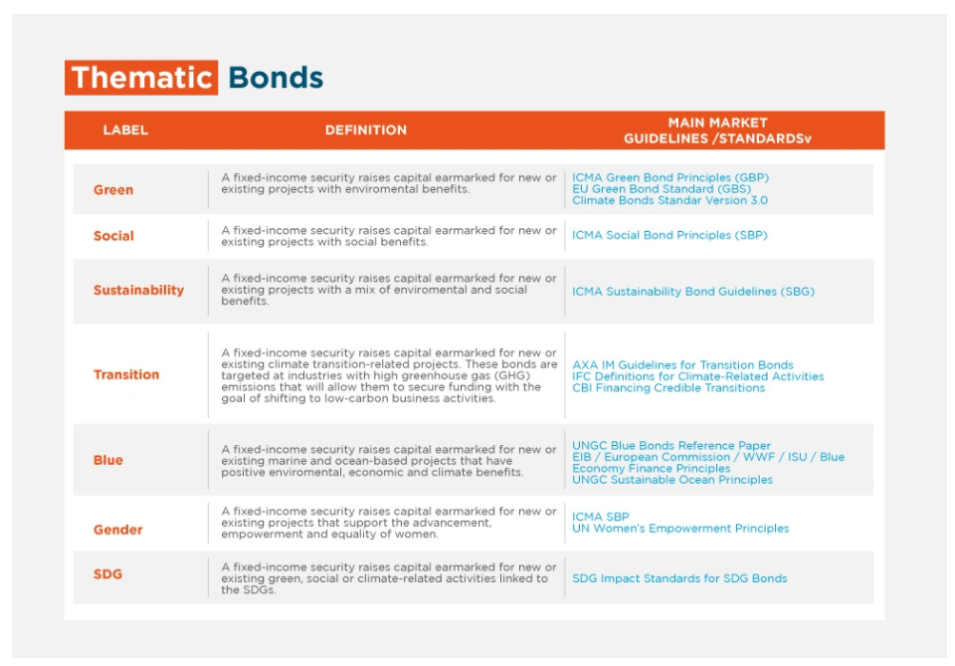
The backstory of these financial transactions, while always complex, is extremely interesting. In the case of Mibanco, which issued social bonds with a gender focus at the start of this year, we initially observed tremendous uncertainty. Following the pandemic in 2020, with a disproportionate social and economic impact on the region, economic recovery in 2021 was not particularly strong, and investors—especially foreign investors—were hesitant.
As is often the case in these situations, IDB Invest—an anchor investor in the issue, aiming to attract others—participated in meetings with potential investors. We quickly found that, in fact, attendees at these meetings came from finance and risk areas, and all the discussions were focused on the bond’s interest rate (that is, the return for investors), which they were aiming to maximize.
This was an issue that could affect not only Mibanco’s financial position, deteriorating its future balance sheet with high-cost debt, but also detracted from the other benefits of this type of financial products. We overcame this dilemma by suggesting to Mibanco that meetings with potential investors should be attended not only by finance managers, but also the funds’ sustainability managers. By doing this, we contributed to diversifying the type of analysis involved on the potential investment. The same strategy was applied for international funds, increasing the interest in this type of transaction.
It should be kept in mind that impact investment with environmental, social, and governance (ESG) components is a booming segment in international market. In the U.S., more than 20% of all new funds launched last year are explicitly seeking this type of investment, which frequently incorporates gender and sustainability aspects.
The lesson learned from this bond issue is that this type of transaction should not be based solely on returns, but also on other aspects of interest for society. Analysis of this type of investment should be carried out not only by the finance area, but rather should have a more holistic approach. It is therefore important to involve sustainability professionals, and ensure that they take part in the decision-making process; they should be part of investment companies’ core business.
This was an especially critical factor in convincing institutional investors, such as Swedish financial services company Skandia, to participate in the Mibanco transaction. We have seen in our discussions with international and local investors that we can help them to develop their own sustainability agendas, with transactions that are classified as impact investments in their portfolios.
Resources from the placement of the bonds will be used by Mibanco to finance the growth of the portfolio of micro-enterprises that are led and/or owned by women in Colombia, together with technical assistance services provided by IDB Invest to develop a plan for diversity and inclusion.
The results of this consultancy assessment reflect on Mibanco’s strong commitment to generating an equitable, diverse, and inclusive organization that promotes free and safe spaces for the development and growth of all people. The main initiatives that it plans to implement in the coming years include: (i) the creation of a gender equality and diversity committee; (ii) the formalization of its commitment to ensuring work-life balance; and (iii) talent promotion and management with a focus on gender equality, among others.
Generally speaking, the financing will also contribute to the development of the capital market and thematic bonds, both in Colombia and the region.
Authors

Ana Rosa Echeverri
Ana Rosa is the Private Sector Coordinator of the Andean Region (CAN). In this position, she has given support to the private sector through the inclusion in the IDB Group's country strategies the implementation activities of the prioritized private sectors. She coordinates the integration of IDB Invest, IDB and IDB Lab teams from various areas, to produce more complete projects, providing more complete financial and knowledge solutions. Ana Rosa supports the development of markets, products, and tools for the private sector of the countries of the Andean region. Ana Rosa was an Investment Officer in Financial Institutions at IDB Invest since 2015. Her main achievements in this position were to originate and structure financial solutions to financial institutions in the region, leading the IDB Group's sustainability agendas on issues such as green, social and gender finance, digitalization and inclusion. During her career at the IDB Group, she has been a Project Portfolio Officer and has been in charge of the credit risk analysis of financial operations in the Transportation, Manufacturing, sectors among others. Prior to joining the IDB Group, she was Vice President of the rating agency Bank Watch Ratings of Colombia and Director of the Financial and Economic Analysis Unit of the Financial Superintendence of Colombia. She also worked with the Foreign Trade Bank of Colombia Bancoldex, in the area of financing regional banks with foreign trade and rediscount lines. Ana Rosa holds a master degree in Finance from Birbeck College, University of London (United Kingdom), as well as a specialization in Investment Project Evaluation from the Universidad de los Andes and an undergraduate degree in Economics from the Universidad Javeriana (Colombia). She is currently pursuing a master degree in Sustainable Development at the Universidad de los Andes.

Laura Giraldo
Laura has over 8 years of experience working in operations, strategy, and project management at IDB and the private sector. Prior to joining the Advisory Service Team as Gender, Diversity, and Inclusion Officer, she structured blended financed transactions that focused on increasing access to finance to women entrepreneurs in Latin America and the Caribbean. Prior to this, Laura worked at UberEATS as an Operations Specialist helping them optimize processes for the opening of new markets in the US. She has also worked for BID Lab in gender projects, and for the Grants Co-financing management unit at the IDB providing analysis and fund reporting to donors. She holds an MBA from IE Business School, and a B.A. in Economics from the University of Florida at Gainesville.
LIKE WHAT YOU JUST READ?
Subscribe to our mailing list to stay informed on the latest IDB Invest news, blog posts, upcoming events, and to learn more about specific areas of interest.
SubscribeTransport
Related Posts

Xochi, a Path of Flowers to Alleviate Traffic Woes in Guatemala
In a country where gridlocks are a part of daily life, a private toll road built to international standards drastically reduces travel time, empowers local communities, and innovates in more than one way for a project of its kind.

Next Stop for Electric Buses: What Do We Do with the Batteries?
This type of vehicle is becoming a key option compared to diesel to reduce emissions in public transport. The challenge, however, is to find effective ways to extend the life of the batteries and recycle their components.

Is Bikesharing The Future of Latin America’s Cities?
Micromobility solutions, such as shared bikes and scooters, have gained significant traction in cities worldwide, with Latin America witnessing a surge in their adoption. These alternatives to car usage promise reduced emissions, reduced congestion, and decreased parking space demands in urban centers.