
Addressing gender-based violence from the private sector: the experience of Laboratorios Bagó
Francisco Méndez, CEO of the pharmaceutical company, shares his company's efforts and achievements in fostering an inclusive and safe work environment.


Gender-based violence and harassment disproportionately affect women throughout their careers. 17.7% of women experience this violence compared to 7.2% of men, and more than 60% of victims face repeated incidents.
Francisco Méndez, Executive Director of Laboratorios Bagó Chile, shared the proactive approach his company has taken to combat gender-based violence.
Laboratorios Bagó, a pharmaceutical company with a long history in Latin America, has implemented comprehensive measures to prevent and mitigate violence against women. They also aim to create a safe and supportive environment for all employees.
Méndez emphasized that their process began with a tragic incident: the femicide of an employee. From that moment, the company committed to implementing decisive measures.
This company's experience is one of the cases highlighted in the 'Guide to Promote Gender Equality in Latin American and Caribbean Companies.'
Developed by the IDB, IDB Invest and IDB Lab, in collaboration with the World Economic Forum and the French Development Agency, the guide offers practical tools and resources to move towards inclusive and violence-free work environments.
VIDEO: Watch our conversation with the CEO of Laboratorios Bagó
Content in Spanish. For other languages, activate the CC option.
Méndez's advice to other companies is clear: it is necessary to start by educating employees about gender relations and the impact of violence.
Additionally, it is essential to create a supportive environment where employees feel safe to speak up and ensure that corporate policies are not just temporary measures but part of a long-term cultural change.
JOIN A COMMUNITY OF 40,000 DEVELOPMENT LEADERS
GET THE LATEST ON OUR PROJECTS AND KNOWLEDGE

By doing so, companies protect their employees and, at the same time, improve their overall productivity and reputation.
As we commemorate the International Day for the Elimination of Violence against Women, it is crucial to highlight the significant role the private sector plays and how its actions influence addressing this issue.
Read more about these practices and relive the launch event of the 'Guide to Promote Gender Equality in Latin American and Caribbean Companies' here.
Authors

Jimena Serrano
Jimena Serrano is a gender, diversity and inclusion officer in the IDB Invest Advisory Services team in Washington DC. Since 2015, she has advised IDB Invest clients in promoting practices to ensure equal access to opportunities for men and women in the business world, including leadership positions, value chains, and strategies to meet the needs of underrepresented groups as a market opportunity. She has designed gender programs tied to results in the context of blended finance and was one of the leaders in the design of a business tool based on the Women's Empowerment Principles (known as the WEP tool). Before her arrival at IDB Invest, Jimena worked in the public policy consulting area of The Economist Intelligence Unit; she was also part of the core team that prepared the Report on the Full Participation of Women and Girls for the Gates Foundation and the Clinton Foundation. She is a lawyer from the Universidad de Los Andes in Colombia and has a master's degree in international economics from Johns Hopkins University School of Advanced International Studies (SAIS).
LIKE WHAT YOU JUST READ?
Subscribe to our mailing list to stay informed on the latest IDB Invest news, blog posts, upcoming events, and to learn more about specific areas of interest.
SubscribeDevelopment Impact
Related Posts

Supporting Argentine SMEs: Financing for Working Capital and Investment
IDB Invest is helping strengthen Argentina's private sector through long-term financing and reverse factoring solutions that improve small and medium-sized enterprises' access to liquidity.
Three Takeaways From our 2026 Impact Report
Learn how IDB Invest's portfolio is performing on development impact.
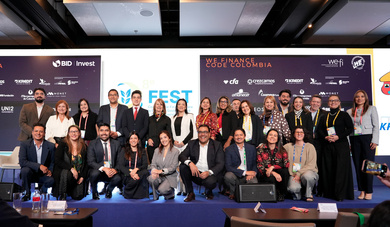
WE Finance Code Colombia: Data and Partnerships to Expand Financing for Women-Led Businesses
Financial sector stakeholders across Colombia are joining forces to expand women entrepreneurs’ access to credit through data, collaboration, and financial solutions tailored to their needs.