
Towards a Fair, Inclusive Transition: Employing Women in Infrastructure Projects
Investments in infrastructure are key to an inclusive and job-creating recovery, and promote access to more and better services for lower-income households. But women are still little involved in this kind of projects.


The Covid-19 crisis triggered catastrophic job losses in Latin America and the Caribbean (LAC), especially among women. Infrastructure investments may be one answer.
From February to July 2020 alone, more than 30 million jobs were lost in the region, most of them in industries with high female employability such as hotels, restaurants, transportation, social services and health.
At the same time, the climate crisis did not stop during the pandemic and the international community calls for redoubled efforts to keep the increase in global temperature below 2°C. In our region, transitioning to a net-zero emissions future by 2050 could create 15 million jobs in the next decade. The question is – how many of these jobs would go to women?
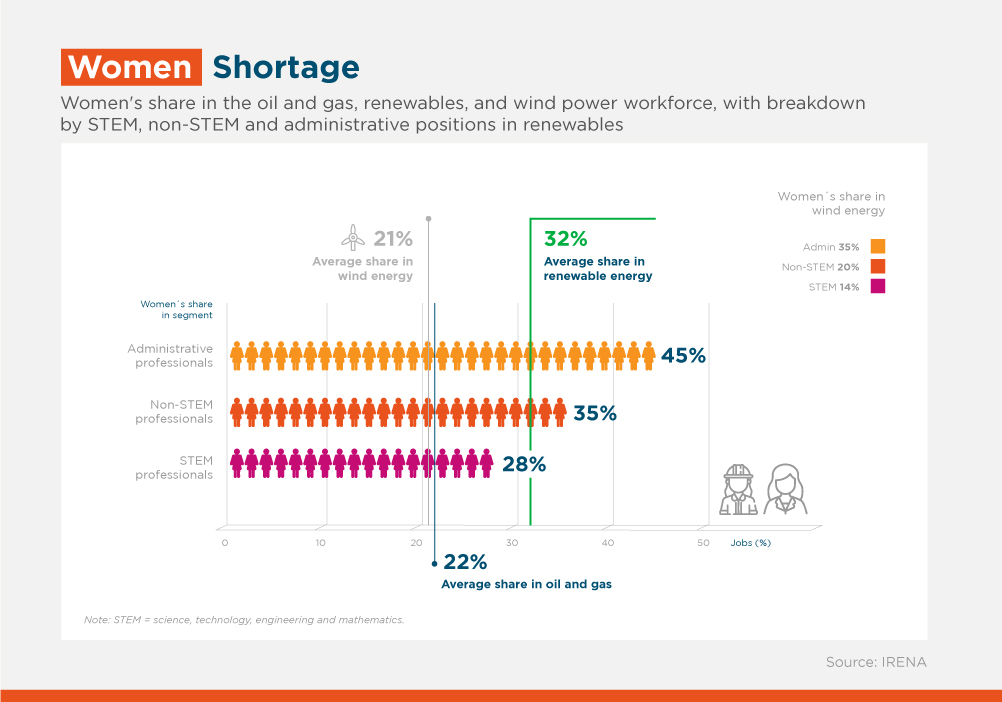
We know that investments in infrastructure are key to an inclusive and job-creating recovery, in addition to promoting access to more and better services for lower-income households. But women are still underrepresented in STEM (science, technology, engineering, and math) jobs typically involved in these types of projects.
For example, it is estimated that more than 80% of new jobs created in the decarbonization agenda would be male-dominated sectors. In sectors such as construction or transport, women do not even account for 15% of all jobs. Additionally, women are overrepresented in the informal economy and underrepresented at management or director levels.
Despite the impacts of the pandemic, the renewable energy sector continued to grow. In 2021, renewable energies employed more than 12 million people in the world, of which only 32% were jobs held by women, according to IRENA. Undoubtedly, a fair and inclusive transition must also incorporate adequate opportunities for all sectors of the population.
The private sector is key in reducing inequalities since it constitutes almost 75% of jobs in the region. Given the impact of the crisis on female employment, IDB Invest has continued to promote the integration of women in STEM areas and non-traditional sectors, as well as raising awareness among companies to break down the barriers that prevent women from entering and staying in the labor market. Some notable examples of this work are:
- Atlas: This renewable energy developer in Brazil has generated and implemented practices to diversify its workforce in the New Juazeiro project. To date, the project has incorporated Afro-descendants and women in the construction of the solar park, reaching a 10% female representation in its workforce.
- Central Puerto: This Argentine energy company built two wind farms, Archiras and Castellana, in which interns from STEM areas participated in project supervision and plant operation tasks. Since the program designed by IDB Invest began in 2018, twelve women have participated. Senior management training also helped address unconscious biases and take a more proactive approach to recruiting women. As a result, today the company aims to have at least 50% women in the final stage of recruitment and in 2021 60% of vacancies were filled by women.
- Soleco: IDB Invest supported this developer, which will install solar panels in Jamaica, in the design of a gender program with policies and practices through the WEP gender equality tool. Likewise, the project will train and employ women during the construction phase so that at least 10% of the workforce is female.
Incentivizing recruitment, retention, and leadership opportunities for women in these sectors also requires holistic changes in organizational culture to overcome skepticism regarding the quality and quantity of the female workforce. An important tool to achieve these results has been blended financing through the resources of the Canadian Climate Fund for the Private Sector of the Americas (C2F) and the Clean Technology Fund (CTF). A well-designed incentive structure, combined with technical assistance, can go beyond hiring goals and impose gender as a strategic imperative for executive management.
As the region recovers from the impacts of the pandemic and moves towards a just transition, facilitating women's access to the labor market is key. Achieving an inclusive recovery requires that these opportunities recognize the diversity of available talent and that these populations have a real chance to benefit from these jobs.
Authors

Elizabeth Robberechts
Elizabeth Robberechts is the Managing Director and Division Chief of Infrastructure and Energy, managing all IDB Invest’s activities in the energy, transport, water and sanitation, health and education sectors.
Her experience includes structuring financings in the energy and transport sectors for operations in Chile, Mexico, Uruguay and Brazil, including a variety of renewable energy technologies such as solar, wind and geothermal projects.
She holds Bachelor’s and Master’s Degrees from Cornell University.

Jimena Serrano
Jimena Serrano is a gender, diversity and inclusion officer in the IDB Invest Advisory Services team in Washington DC. Since 2015, she has advised IDB Invest clients in promoting practices to ensure equal access to opportunities for men and women in the business world, including leadership positions, value chains, and strategies to meet the needs of underrepresented groups as a market opportunity. She has designed gender programs tied to results in the context of blended finance and was one of the leaders in the design of a business tool based on the Women's Empowerment Principles (known as the WEP tool). Before her arrival at IDB Invest, Jimena worked in the public policy consulting area of The Economist Intelligence Unit; she was also part of the core team that prepared the Report on the Full Participation of Women and Girls for the Gates Foundation and the Clinton Foundation. She is a lawyer from the Universidad de Los Andes in Colombia and has a master's degree in international economics from Johns Hopkins University School of Advanced International Studies (SAIS).
LIKE WHAT YOU JUST READ?
Subscribe to our mailing list to stay informed on the latest IDB Invest news, blog posts, upcoming events, and to learn more about specific areas of interest.
SubscribeDevelopment Impact
Related Posts

Supporting Argentine SMEs: Financing for Working Capital and Investment
IDB Invest is helping strengthen Argentina's private sector through long-term financing and reverse factoring solutions that improve small and medium-sized enterprises' access to liquidity.
Three Takeaways From our 2026 Impact Report
Learn how IDB Invest's portfolio is performing on development impact.
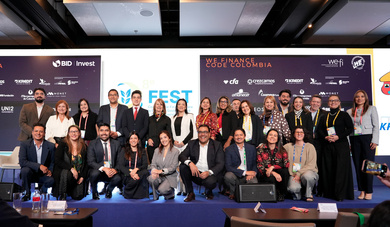
WE Finance Code Colombia: Data and Partnerships to Expand Financing for Women-Led Businesses
Financial sector stakeholders across Colombia are joining forces to expand women entrepreneurs’ access to credit through data, collaboration, and financial solutions tailored to their needs.