Sustainable BusinessRecent posts
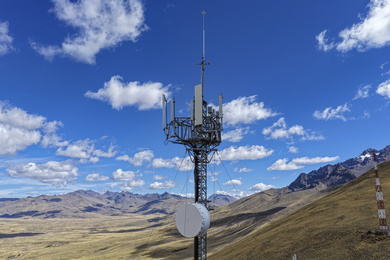
The Towers We Don't See and the Economy We Can't Live Without
IDB Invest finances telecommunications tower infrastructure across Latin America and the Caribbean, helping expand connectivity and support 5G network growth.
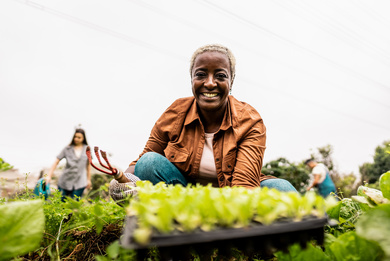
How Santander Brasil and Eco Invest Mobilize Private Capital at Scale
IDB Invest provides financing to Banco Santander Brasil to support sustainable agriculture, land restoration efforts, and resilient infrastructure.
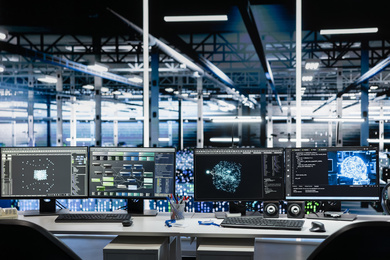
The AI Factory: Latin America's Next Big Industrial Revolution
Latin America’s window to build AI infrastructure at scale is opening, supported by its diverse energy matrix and growing digital demand.

Every watt matters: Geothermal and COP20
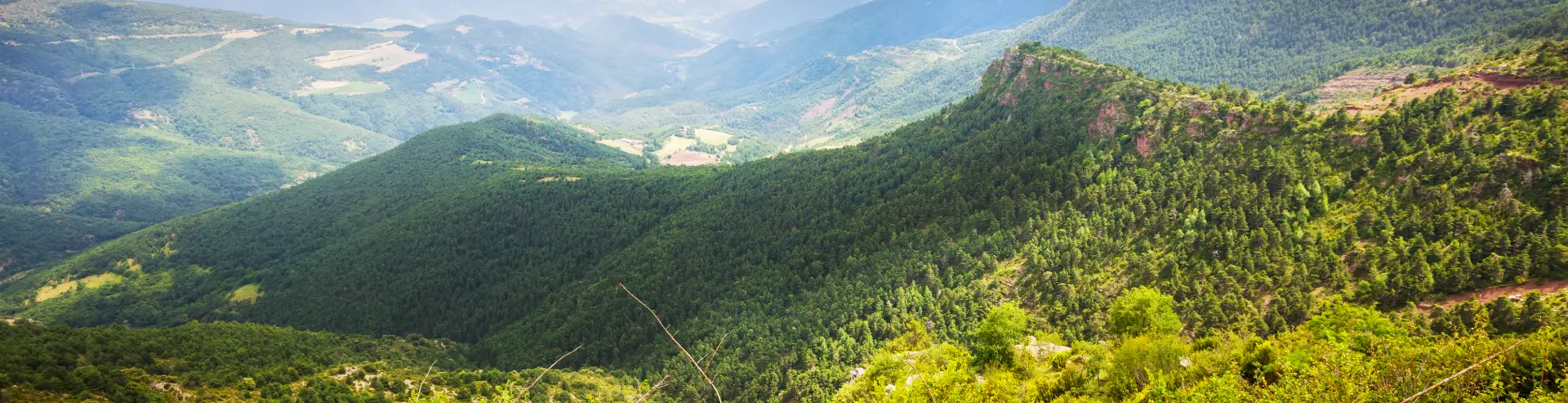
Latin America and the Caribbean leads the world in renewable energy. Hydropower makes up 60% of the generation matrix. Still, there is vast untapped potential for low-carbon energy development. During my current trip to the COP20 in Lima, Peru, I had a chance to focus on the long-established source of renewable energy that has yet to reach its full potential: geothermal in Latin America and the Caribbean.
Empowering Rural Women in Agriculture
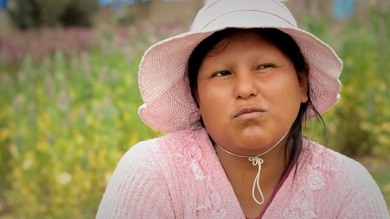
* By Nancy Lee, General Manager, Multilateral Investment Fund Empowering rural women as farmers, entrepreneurs, and leaders throughout the agricultural value chain is a topic with exceptional importance for agricultural productivity, fighting poverty and food security. Earlier this month, we at the Multilateral Investment Fund (MIF) of the Inter-American Development Bank (IDB) Group hosted a workshop in Washington to discuss how that issue plays out in Latin American and the Caribbean. The purpose was to take a deep dive into the lessons learned from MIF projects that seek to equip and raise the incomes of these rural women.

PEDAL YOUR BIKE. 3 Rides for Sustainability. #COP20
Leaders from government, civil society and the private sector are gathered in Peru this week for the final days of the 20th session of the Conference of Parties (COP) to define the way forward on climate change. Bringing climate change to the world stage communicates the urgency of the issue. Many companies are already engaged, and some have even based their business models on green principles. Bicycles are one tool. Check out three rides for sustainability:
A Business Approach to Smallholder Agriculture
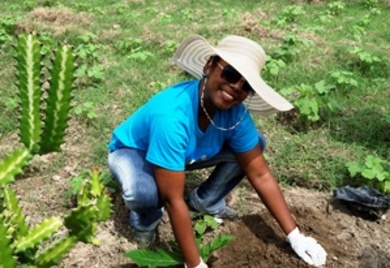
* By Andrea Sabelli There are an estimated 500 million smallholder farmers across the globe that produce food for over 2 billion people. These farmers work on plots of land that are under 2 hectares. The vast majority are poor and undernourished. Yet, the future role of smallholders in the food supply chain and as land stewards will be essential. By 2050, the global population is expected to grow by 2 billion. To meet food demand growth, FAO estimates that 90% of the increase in food demand will need to come from higher yields on existing farms, of which smallholders play a crucial role. Thanks to an example in Haiti, a business approach to smallholder agriculture may be what it takes for us to efficiently address demand.

Women’s Entrepreneurship Day: Smart companies, pay attention
On November 19, 2014, the United Nations launched Women’s Entrepreneurship Day. This day reminds me of a newspaper article I read eight years ago that changed my life. It stated that, although more Jamaican women (70 percent) than men were graduating from higher education institutions, they had a significantly higher unemployment rate -15.6percent and 5.7 percent respectively-. As a Jamaican woman then working her way through university, it marked my professional path forever.

The top 10 developing nations investing in clean energy
By: Agustín Cáceres The history of investing in clean energy in developed countries like Denmark, Spain or Germany is well known: big investments, subsidies, and an energy matrix that is much greener than that of other developed nations likes the US or Japan. However, developing nations represent a large and rapidly growing share of the world’s clean energy investment, according to Climatescope 2014, a country-by-country assessment, interactive report and index that offers the clearest picture yet of clean energy in 55 emerging markets in Africa, Asia, and Latin America and the Caribbean.
