
Sustainable BusinessRecent posts
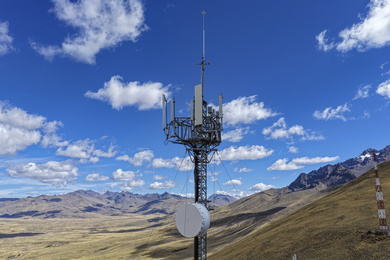
The Towers We Don't See and the Economy We Can't Live Without
IDB Invest finances telecommunications tower infrastructure across Latin America and the Caribbean, helping expand connectivity and support 5G network growth.
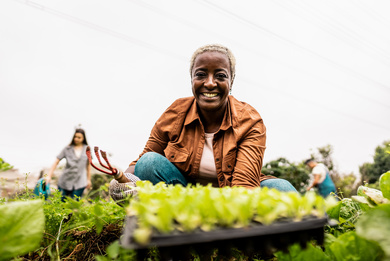
How Santander Brasil and Eco Invest Mobilize Private Capital at Scale
IDB Invest provides financing to Banco Santander Brasil to support sustainable agriculture, land restoration efforts, and resilient infrastructure.

The AI Factory: Latin America's Next Big Industrial Revolution
Latin America’s window to build AI infrastructure at scale is opening, supported by its diverse energy matrix and growing digital demand.
The First Commandment of Social Impact Generation
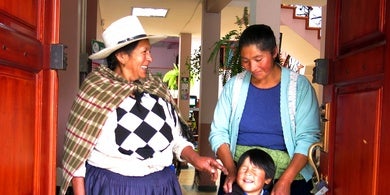
By Pablo Antón Díaz, Opportunities for the Majority The first commandment for companies and organizations that aim at generating social impact is adopting mechanisms to measure it. Every line is the perfect length if you don’t measure it, and this same rule applies to impact investing. Narratives on a handful of beneficiaries can be useful and serve as great instruments for attracting new investors, but the only sure way of knowing whether your efforts are indeed being relevant in the lives of people is through systematic measurement.
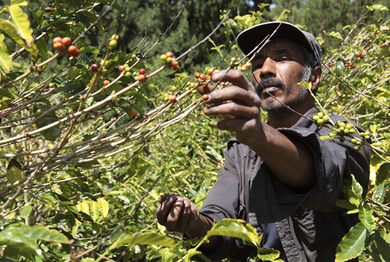
Latin America: The Next Global Breadbasket
*By. Alexandre Fernandes de Oliveira Last month at the inaugural AgroLAC 2025 meeting international experts flew into Sao Paulo, Brazil to promote new financial instruments that could connect with innovative solutions to expand and develop sustainable agricultural production across the region.
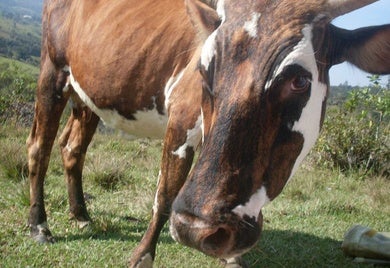
Getting more out of the same amount of land: cattle and forestry as a sustainable investment
As the global agricultural community gathers next week in New York for the Global AgInvesting conference to explore investment opportunities, strategies for reducing risks through diversified agricultural portfolios is high on the agenda. As the sector is facing the challenge of resource scarcity, climate change and a growing global population with diets increasingly based on animal products, combined production systems are an effective sustainable investment.

How to celebrate Earth Day? Five ways to go about it.
“Why should I care about future generations? What have they ever done for me?” American comedian Julius “Groucho” Marx once joked. Fortunately, there is Earth Day. It offers an opportunity to reflect on that very question. Today marks the 45th anniversary of the conception of the modern environmental movement. And by celebrating Earth Day in companies, schools and households, we can raise awareness and explore why we might want to care about future generations.
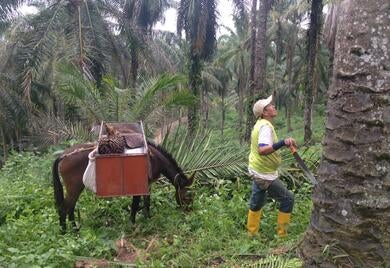
Six Takeaways on the Growth of Palm Oil in Latin America
As I have noted before in this space, there are a number of risks and opportunities associated with palm oil. Among other negative impacts, expansion of palm oil plantations drives deforestation in many tropical countries, resulting in enormous carbon emissions. However, palm oil’s high productivity makes it a profitable investment and it has the potential to bring wealth and employment to rural areas.
Towards a new generation of public-private partnerships for Infrastructure
Latin America and the Caribbean is crying out for infrastructure improvements. An investment estimated at 5 percent of the region’s GDP—or $250 billion per year—is required to develop projects that are fundamental for economic development, not only by improving highways and bridges, but also by building hospitals and creating mobility solutions for smarter cities. Every other business sees a lack of infrastructure as a serious problem for the region.
