
Sustainable BusinessRecent posts
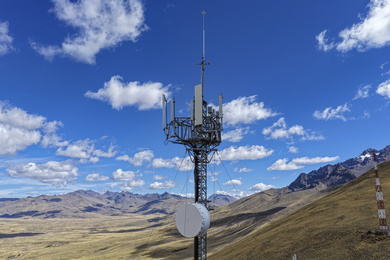
The Towers We Don't See and the Economy We Can't Live Without
IDB Invest finances telecommunications tower infrastructure across Latin America and the Caribbean, helping expand connectivity and support 5G network growth.
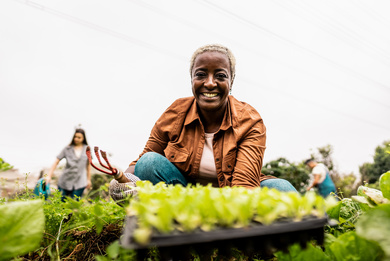
How Santander Brasil and Eco Invest Mobilize Private Capital at Scale
IDB Invest provides financing to Banco Santander Brasil to support sustainable agriculture, land restoration efforts, and resilient infrastructure.

The AI Factory: Latin America's Next Big Industrial Revolution
Latin America’s window to build AI infrastructure at scale is opening, supported by its diverse energy matrix and growing digital demand.
Social Media in Latin America and the Caribbean Private Sector
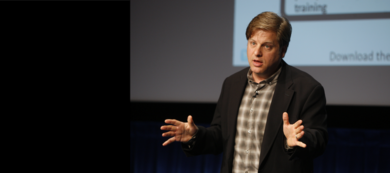
*By Eric Schwartzman If you’re curious if and how the Latin America and the Caribbean private sector uses social media, this post is for you.
Three Pillars for Jamaica to Achieve Sustainable Growth
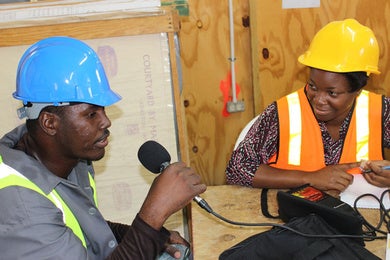
There are many encouraging signs emerging from Jamaica these days. Three of the major rating agencies provide a positive outlook for the economy, consumer confidence reached a two-year peak in 2014, and lower oil prices are helping to cut energy costs and improve the fiscal accounts. What this means is increased investment opportunities in a country that is proudly emerging from a period of economic hardship.
On International Happiness Day, Let’s Think about Women in the Workplace
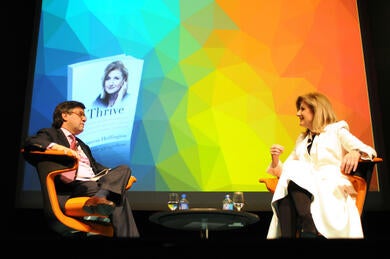
“Happiness is an inside job”, said author John Powell. Well, here’s breaking news: as pretty as it sounds, there are some external constraints to happiness for more than half the world’s population. Let’s start with some of the issues that women face in the workplace, as well as three ways to start turning these around:

Three Things You Should Know About Broadband
By Mónica Fernández Alvarez de Lugo, Opportunities for the Majority at IDB; and Lucie Klarsfeld, Hystra. In the past year, MIT and NASA have been working hard to make broadband connectivity available on the moon. The results have been so positive that your connectivity on the moon is actually better than in many countries on Earth, including the United States. And this same year, Mark Zuckerberg, founder of Facebook, created internet.org, with the goal of providing connectivity to every single person around the world.

The importance of being Robert
*By Andrew Morrison My middle name is Robert, but I am sure my parents would have thought more about making it my first name if they had known what a recent study has revealed: for large U.S. companies, more board seats are held by men named Robert, John, James and William than by all women combined. In fact, women hold only 16% of board seats in the U.S. While this is an improvement from 11% in 2011, at this rate it will take 80 years until women hold 50% of board seats.

It’s All in the Family: A Conversation with One of the Netherland’s Leading Impact Investors
What do family values have to do with impact investing? A lot if you are talking about Oikocredit, a Netherlands-based international cooperative that has successfully contributed to a thriving impact investing ecosystem in its home country. Comprised of member churches, foundations, support associations, and other like-minded organizations, Oikocredit has a robust network of more than 800 partners, €801 million in total assets, and €611 million in outstanding capital. A partner of the IDB since 2010, Oikocredit first participated in the IDB’s syndicated loan program when it joined B lenders, Blue Orchard S.A. and Calvert Foundation, to provide a $36 million loan to Mibanco to increase microfinancing to women entrepreneurs in Peru. We recently talked to Guillermo Salcedo, Deputy Director Loans & Investments, about Oikocredit’s mission and focus on fostering a dynamic investment environment in Latin America and the Caribbean.
