Sustainable BusinessRecent posts
The Towers We Don't See and the Economy We Can't Live Without
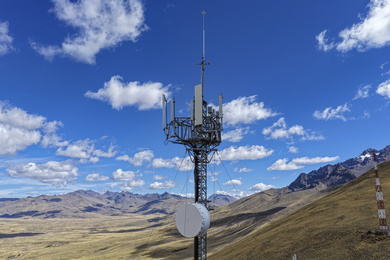
IDB Invest finances telecommunications tower infrastructure across Latin America and the Caribbean, helping expand connectivity and support 5G network growth.
How Santander Brasil and Eco Invest Mobilize Private Capital at Scale
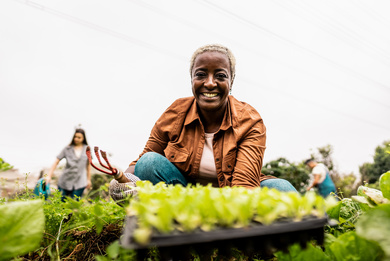
IDB Invest provides financing to Banco Santander Brasil to support sustainable agriculture, land restoration efforts, and resilient infrastructure.
The AI Factory: Latin America's Next Big Industrial Revolution
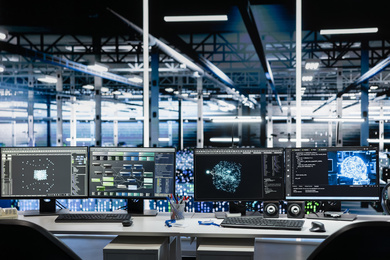
Latin America’s window to build AI infrastructure at scale is opening, supported by its diverse energy matrix and growing digital demand.
WANTED: Innovative companies for a $760 billion market
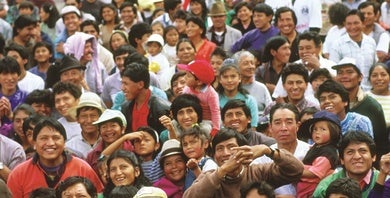
It has been more than ten years since we first read about the base of the pyramid (BOP) and the large and virtually untapped market represented by this socio-economic segment. People at the BOP in Latin America and the Caribbean live on less than $10 a day, but they have benefited from the region’s economic growth between 2000 and 2010 and their incomes have been growing ever since. Latin America’s BOP now encompasses 406 million people and represents a market of $760 billion. A market segment that awaits for innovative companies.

Surprising ways that biodiversity is linked to sustainable development
On the International Day for Biological Diversity, it’s a good time to reflect on the ways that biodiversity contributes to sustainable development. In an age of smartphones and super computers, it’s easy to overlook how dependent we are on the simple technologies of nature.
Changes at the base of the pyramid will transform markets in Latin America and the Caribbean
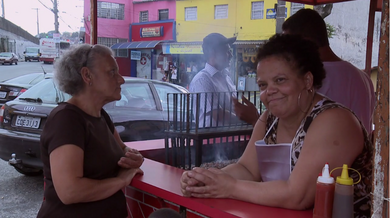
By Lourdes Gallardo, Senior Specialist, Opportunities for the Majority at the Inter-American Development Bank From 2000 to 2010, Latin America and the Caribbean (LAC) enjoyed a remarkable wave of sustained economic growth which helped improve the incomes and welfare of millions of people living at the base of the pyramid (BoP). According to the World Bank, nearly 70 million people increased their purchasing power significantly and 50 million Latin Americans escaped poverty over the decade. This sea change dramatically altered their aspirations, priorities, and interactions with their societies.

Expo Milano 2015 – an unlikely place for sustainable business?
While critics call it a bloated global extravaganza for its escalating public expenditure, the 2015 Expo in Milan, Italy, also brings opportunities for sustainable business globally. This year’s topic of the World Fair - Feeding the Planet, Energy for Life – seeks to highlight solutions to one of the greatest development challenges the world faces today. There are still 805 million people suffering from hunger and malnourishment globally, while at the same time an incredible 2.1 billion people are obese or overweight, an increase of 28 percent in adults and 47 percent in children since 1980. In addition, about 1.3 billion tons of food is wasted every year, causing economic losses of about $750 billion.
To Connect or Not to Connect? Shifting Energy Industry Forges Unlikely Partnerships
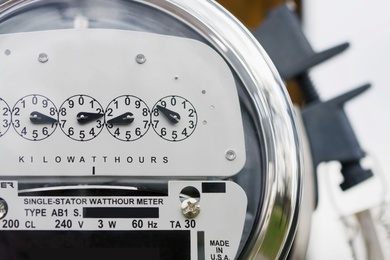
On the big island in Hawaii, the sun shines 168 days of the year. In Honolulu, it jumps to 271 days of sunshine. That’s the perfect market to launch a new partnership between solar panel supplier SolarCity and electric carmaker Tesla Motors.
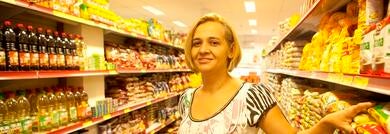
What happens when low-income people's disposable income increases?
The base of the pyramid as we knew it ten years ago has changed tremendously. Latin America and the Caribbean’s economic growth between 2000 and 2010 benefited many in the region, from top to bottom. Millions of people emerged from poverty, and the segment of those living on $4-10 a day grew considerably. More than 400 million people in Latin America live at the base of the pyramid (BOP) today. They represent a $760 billion market annually. The Inter-American Development Bank's BASE III Forum will be this year's opportunity to discuss how to tap into this unexplored market and have an impact on low-income people's lives. It will take place in Mexico City on June 29-July 1.
