
Sustainable BusinessRecent posts
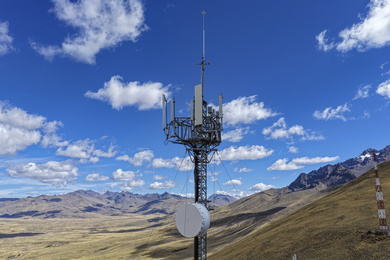
The Towers We Don't See and the Economy We Can't Live Without
IDB Invest finances telecommunications tower infrastructure across Latin America and the Caribbean, helping expand connectivity and support 5G network growth.
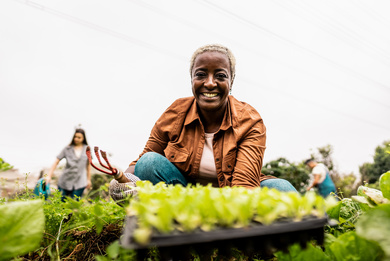
How Santander Brasil and Eco Invest Mobilize Private Capital at Scale
IDB Invest provides financing to Banco Santander Brasil to support sustainable agriculture, land restoration efforts, and resilient infrastructure.

The AI Factory: Latin America's Next Big Industrial Revolution
Latin America’s window to build AI infrastructure at scale is opening, supported by its diverse energy matrix and growing digital demand.
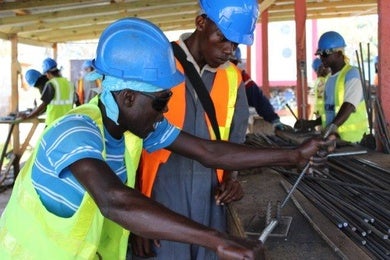
CEOs Talk Shop – Four sustainable investments to tackle business challenges
Whether you’re a global tourism operator in Jamaica or a midsize recycling company in Honduras, corporates of all sizes often face similar business challenges.

The investor world and green growth
I recently attended the Regional Global Green Growth Forum (3GF) in Latin America and the Caribbean in Santiago, Chile. At this forum and in the business world, we witness how issues of sustainability and green growth are transforming the real economy. In the coming years in Chile, non-conventional renewable energy will make up more than 70% of new installed capacity. In Brazil, the second auction round for solar drew more than 2 GW in bids for investments of almost $3 billion. And in Costa Rica, hundreds of companies have small-scale power generation systems, as part of the country’s distributed generation power plan.
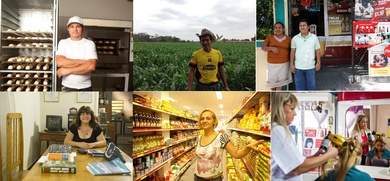
10 things a company needs to know about the market at the base of the pyramid
Seventy percent of the population in Latin America and the Caribbean – more than 400 million people – live on less than $10 a day. Even though their income is low, this segment of the population still demands goods and services, and represents a market of $760 billion per year. Hundreds of pioneering companies see opportunities in this market to do profitable business while improving the quality of life of low-income people. But where should they start?
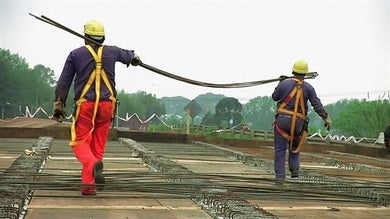
The “Latinization” of public-private partnerships: What the world can learn from Latin America and the Caribbean
*By David Bloomgarden The world can learn from the experience of Latin American and the Caribbean in mobilizing private investment in public infrastructure and services.

What is the Value of Nature?
An apple at a supermarket: $0.50. 1,000 gallons of tap water in New York City: $4.95. Annual value of pollination to agriculture: $200 billion. Cost savings from good land management in New York City's watershed: $8 billion. Total value of benefits from nature: priceless? Robert Costanza, a leading environmental economist, just published the article: "Changes in the Global Value of Ecosystem Services," where he estimated the total value of these benefits at $145 trillion per year. That’s about twice as much as the total output of the global economy. Some of the value that nature provides has an obvious cost. Other values don't directly affect your wallet and are less visible. But just because we don't pay for some of nature's benefits doesn't mean they have less value.
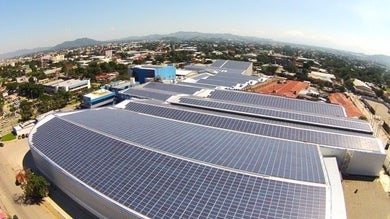
Is Sustainability a Business Opportunity?
Today, forward-thinking companies understand the “why” behind investing in sustainability. Simply put, it makes business sense. However many companies, large and small, are still looking for the “how to”.
