
Sustainable BusinessRecent posts

The Towers We Don't See and the Economy We Can't Live Without
IDB Invest finances telecommunications tower infrastructure across Latin America and the Caribbean, helping expand connectivity and support 5G network growth.
How Santander Brasil and Eco Invest Mobilize Private Capital at Scale
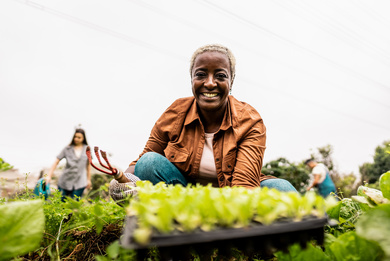
IDB Invest provides financing to Banco Santander Brasil to support sustainable agriculture, land restoration efforts, and resilient infrastructure.

The AI Factory: Latin America's Next Big Industrial Revolution
Latin America’s window to build AI infrastructure at scale is opening, supported by its diverse energy matrix and growing digital demand.


The business case for buying less, but good stuff
I dare you: Can you buy nothing for a whole day? I know it sounds tough, but this was the idea behind the first day of No Impact Week at the IDB – No Consumption Day.

Can Latin American firms succeed in China?
By Theodore Kahn* Are there opportunities for Latin American firms in China beyond iron ore, soy beans, copper, and a handful of other commodities? This question has been on the mind of policymakers in the region ever since LAC-China trade took off in the early 2000s, driven by China’s strong demand for natural resources traditionally provided by Latin America and the Caribbean (LAC).
How can business have no impact
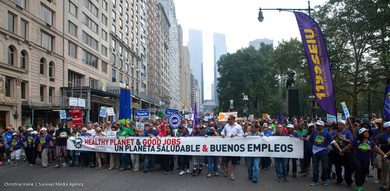
A record number of people took to the streets of New York this past Sunday to demonstrate their concern over climate change. In anticipation of the UN Climate Summit this week, more than 1,500 organizations joined efforts in the People’s Climate March. The marchers advocated for political action to change living conditions and to support a better world where people and the planet can live in harmony.
What is one of the most important factors in securing the future of family business in Latin America?
* By Rebeca White Sanchez, Operations Senior Specialist IIC, and Helga Flores, Principal IIC External Relations Advisor Corporate Governance has become a buzz term in the last decade. Why do we talk about it so much? A study performed by corporate governance experts Ira Millstein and Paul MacAvoy found that companies rated A+ in governance earned an average of 25% more than F-rated companies. So, is your family business leaving money on the table? Let’s focus on how governance translates into tangible benefits for your small or medium-sized family enterprise.

Five ways to a sustainable business
What are successful, sustainable businesses in Latin America and the Caribbean doing? How do they drive innovation, brand value and revenue growth?

How Big Data Is Changing Big Business
Flickr Creative Commons CIFOR Did you know that every minute the world loses 50 soccer fields worth of forest? That’s one of the headline findings from recently published data on global deforestation. Access to deforestation data is making it increasingly easy for companies to monitor deforestation in their supply chains.
