IDB World: Telework, the War’s Impact on the Region, Education in Haiti
We present three blog posts from the IDB Group on the new world of telework, the impact of the Ukrainian war on the region, and call centers in Haiti.


The office as we know it, is it finished?
Do you remember the time when the main event of the day was “going to work”? Get up, prepare and get dressed for work, move (more or less) for an hour, arrive, work, meet behind closed doors, heat food in the public microwave, have lunch discussing the news of the day with colleagues, work a little more, running out to meet the children to help them with their homework while we prepare dinner, jogging for half an hour if we have any time left, and finally “giving up” in bed to get up at 5.30am to do it all over again.
For many, those days are long gone. Even for those who did not stop "going to work" for a single day (such as supermarket workers, or public transport workers, or those who insisted and persisted with face-to-face work), work life changed. Shifts, dynamics, habits, they have all changed. But does that mean that the office as we know it is over forever? And was the pandemic the big trigger, or was labor flexibility already gaining ground before?
These were some of the topics discussed by Eliana Bracciaforte, co-founder and COO of the Latin American freelance work platform Workana, and Laura Ripani, head of the IDB's Labor Markets Division, in their live conversation on labor flexibility, freelance work and the Future of work in Latin America and the Caribbean. In this note we briefly review that talk.
The war’s impact of the war on external financing for Latin America and the Caribbean
Since March 2022, the war between Russia and Ukraine has had a significant impact on the world economy, affecting recovery from the COVID-19 pandemic and slowing or halting growth in most regions of the world. With the interruption of the supply of agricultural and energy products, it has also triggered inflation, already red hot before the war broke out.
The countries of Latin America and the Caribbean have not been spared these shocks. The IDB's 2022 Macroeconomic Report, released in April, examined the potential impact of the war on the region's exports, trade, and current account balances by 2022. It warned that countries where current account balances were deteriorating would have to seek additional external financing under adverse conditions. It correctly anticipated that the central banks of the developed economies would continue to increase their reference rates and continue to absorb liquidity to fight domestic inflation.
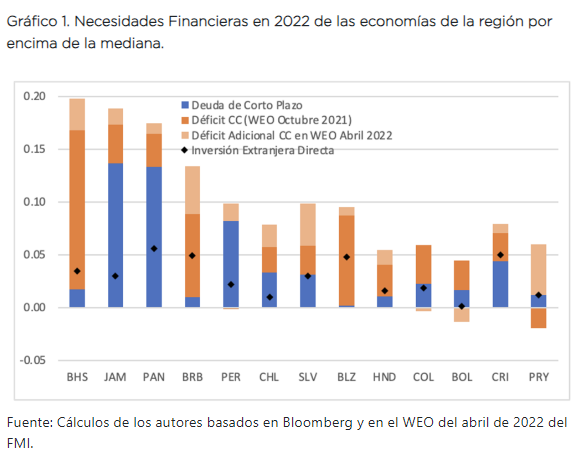
Given this context, it is not surprising that most countries in the region have had to face greater external financing needs. Said needs consist of the current account deficit of each economy plus the payments (amortizations) of its external debt. Graph 1 shows the projected external financing needs of the countries in the region in which the difference between these needs and foreign direct investment (FDI) in 2022 is greater than the region's median. Subtracting direct foreign investment makes sense: It is a form of stable financing, more related to the structural conditions of each economy and shows very little response to short-term macroeconomic policies.
How do call centers support education in Haiti?
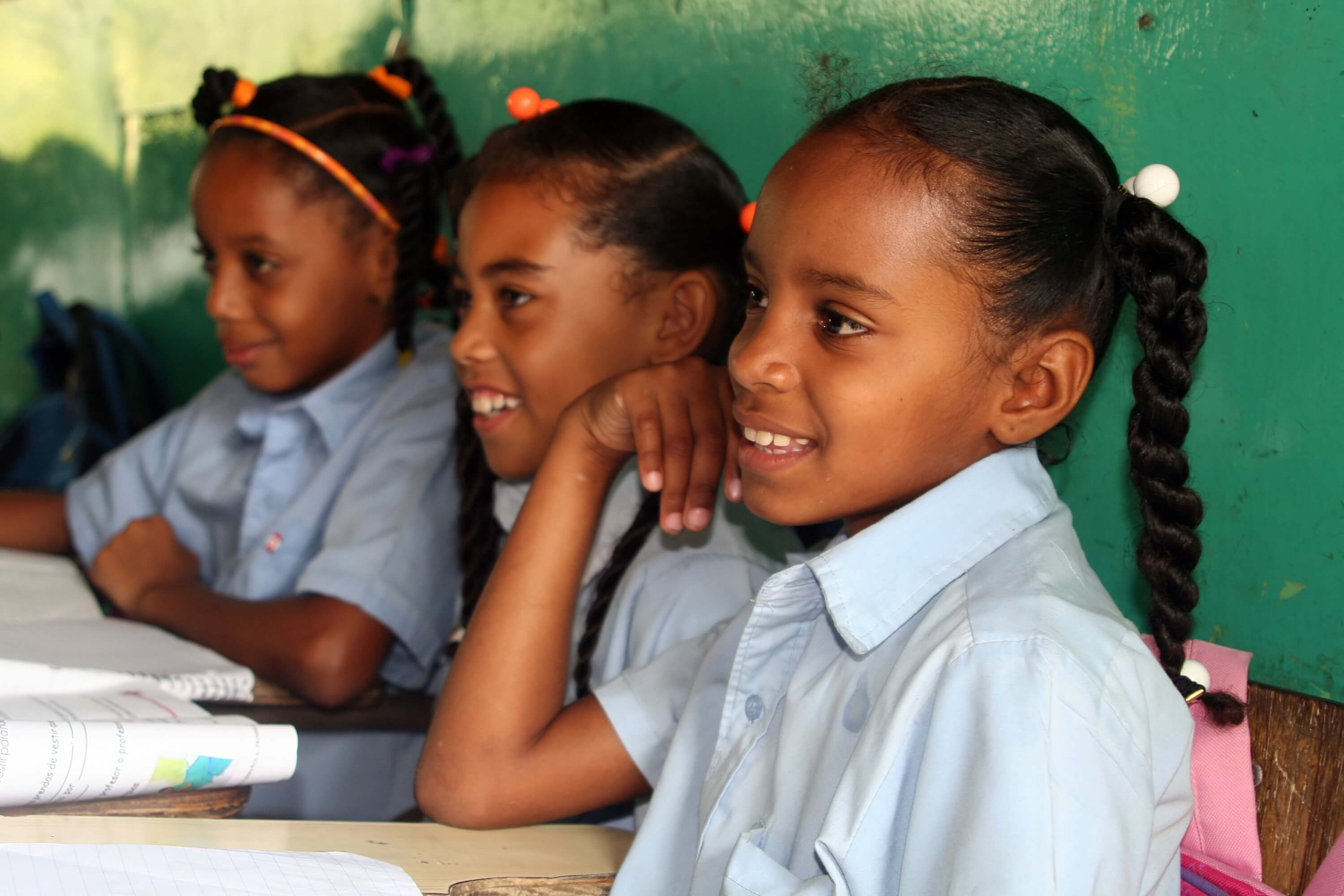
Over the years, the capacity of the Inter-American Development Bank (IDB) and the funded projects it finances for in-person supervision has been significantly hampered in Haiti. Children are not in school due to travel hazards, school construction is delayed as people and materials cannot pass through gang-controlled areas, and services to schools, such as delivery of goods and services, are hampered by widespread insecurity. In this context, the use of innovative strategies such as call centers have been of great help to support interventions in schools.
The Bank has been steadfast in its commitment to provide support to the Haitian Ministry of Education (MENFP) and its projects in developing robust innovative strategies and monitoring and supervision practices to collect timely data to inform project activities. and support the delivery of interventions to schools and children.
The use of a call center was first developed in 2019 in the Bank-financed project HA-L1077, which aimed to improve access to quality education in Haiti. Since then, the tool has been expanded into projects HA-L1145, HA-J0001, and HA-L1102, all of which have large education components aimed at providing timely services in schools across Haiti.
Authors

IDB Invest Team
IDB Invest seeks to be the primary bank for private sector solutions in Latin America and the Caribbean. We support projects to advance clean energy, modernize agriculture, strengthen transportation systems and expand access to financing. These are projects that have a significant impact and contribute to the sustainable development of the region. Like the Inter-American Development Bank (IDB), our commitment is to economic growth and social inclusion, central concepts of our identity as part of the IDB Group. Our distinctive feature is our focus on the private sector.
LIKE WHAT YOU JUST READ?
Subscribe to our mailing list to stay informed on the latest IDB Invest news, blog posts, upcoming events, and to learn more about specific areas of interest.
SubscribeFinancial Institutions
Related Posts
How Santander Brasil and Eco Invest Mobilize Private Capital at Scale
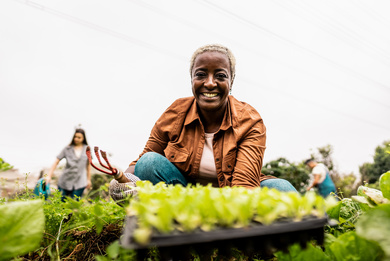
IDB Invest provides financing to Banco Santander Brasil to support sustainable agriculture, land restoration efforts, and resilient infrastructure.
S&P’s AAA Rating Validates IDB Invest’s Strength and Strategic Direction
The AAA rating expands the institution's access to a broader investor base, supporting its ability to finance and mobilize private impact investment in Latin America and the Caribbean.
Beyond the Cash Gap: How Reverse Factoring Is Unlocking Growth for MSMEs
An IDB Invest study in Mexico estimates that adopting reverse factoring is associated with a 27% increase in companies' sales.