
Corporate Governance: Practical Sessions, from Family Business to AI Oversight
Strong governance is the bridge between business strategy and tangible results. At Sustainability Week 2026 in Barbados, join free training sessions on family governance, AI oversight, and SOE continuity, available online on May 25.

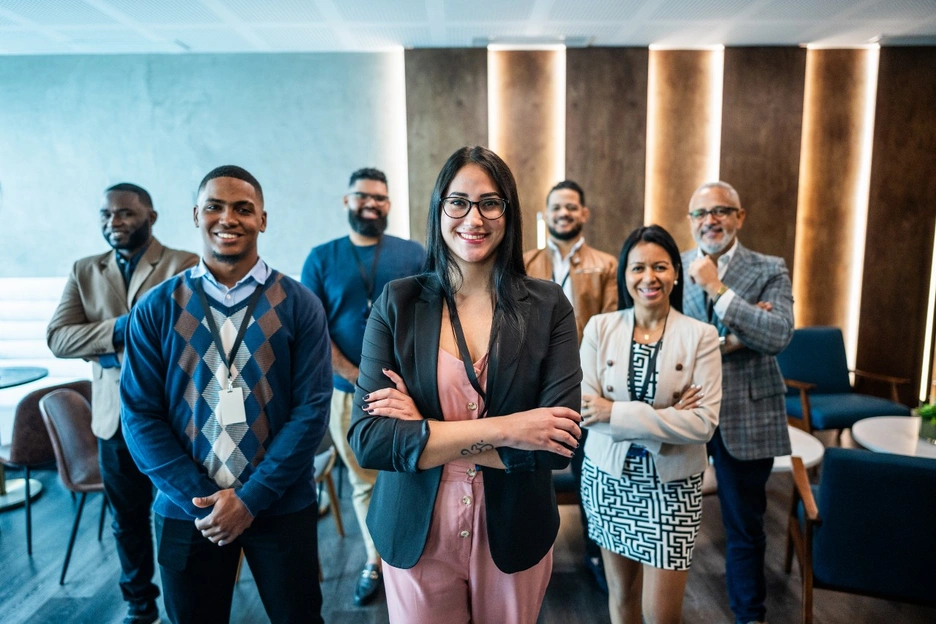
Rankings of the world's most sustainable companies often feature high-impact innovations such as zero manufacturing waste programs, recycled building materials, or lower water consumption. Yet behind all of these efforts lies the same factor: strong governance practices.
The underlying dynamic is equally relevant in Latin America and the Caribbean: governance is what determines whether sustainability goals can be delivered. Strategy, risk management, capital allocation, and executive incentives – these are all governance questions. Without the right structures at the board and management levels, sustainability cannot move beyond intent. That is why corporate governance is part of Sustainability Week 2026 in Barbados.
In a region where ownership is often concentrated and governance frameworks are still maturing, strong governance is what gives companies the credibility and transparency that investors demand.
Sustainability Week 2026. Register Now!
What to Expect from the Governance Agenda at Sustainability Week
At Sustainability Week 2026, the governance sessions will address what companies are actually working through: how to build frameworks that support access to capital, strengthen internal controls and risk management, and meet the transparency standards that markets now expect.
The sessions will also explore how governance works in practice across different contexts – from boards navigating disruption, to applying governance frameworks in smaller markets, and translating governance into a clear signal for investors. They will also highlight governance as a driver of expanding opportunities and institutional resilience.
Other Contents on Sustainability Week 2026
- Turning Commitments into Bankable Investments
- Impact Talks: The Region’s Appeal for Global Investors
- Choose Your Free Sessions on Business Innovation and Entrepreneurship
Three Online Trainings Open to All
On May 25, Sustainability Week will host three fully online, free training courses with simultaneous translation, built to move beyond theory.
- Making Family Governance Work - Structures, Interfaces, and Boundaries
Family-owned businesses are a cornerstone of the region’s economy and a distinct governance challenge. This session focuses on what makes family governance work: how to structure family councils, define their role, and connect them to the business without creating parallel decision-making centers. The emphasis is on building governance architectures that evolve with the company.
- Governing Innovation and AI - What Boards Cannot Afford to Get Wrong
Technology and AI are moving faster than most governance frameworks. This session explores what that means for boards and senior management, from setting guardrails for innovation to aligning technology with strategy and overseeing emerging risks.
- Beyond the Election Cycle – How SOEs Sustain Good Governance Through Political Transitions
State-Owned Enterprises (SOEs) face a distinct governance challenge shaped by political cycles. This session focuses on the internal mechanisms that enable SOEs to maintain continuity despite changes in government, highlighting often-overlooked roles and practical tools for preserving institutional memory and strategic direction over time.
Governance evolves with your company, your sector, and the world around you. The Corporate Governance sessions at Sustainability Week will give you the practical frameworks to build structures that meet investor standards, respond to rapid shifts in the landscape, and position your company as a credible, sustainable business that investors trust.
Sustainability Week 2026. Register Now!
Authors

Bruno Sbardellini Cossi
Bruno heads the Corporate Governance practice of IDB Invest, the private sector arm of the Inter-American Development Bank, where he has dedicated the past eight years to advancing impactful and sustainable development throughout Latin America and the Caribbean. He currently chairs the Corporate Governance Development Framework (CGDF), a global platform of over 40 development finance institutions working to promote high standards of corporate governance. Bruno's work is centered around crafting and enhancing governance frameworks that promote transparency, ethical leadership, and equitable growth. His rich background – including an LL.M. degree from Columbia University, a role as a Corporate Law Professor in Brazil, and a CFA in ESG – along with a prior decade as a transactional attorney, equip him with a unique multidisciplinary approach. Bruno's global perspective and comprehensive expertise are instrumental in driving positive change and fostering inclusive financial ecosystems in the communities IDB Invest serves.

Rebeca Fernández
Rebeca Fernández coordinates technical advisory projects for the Corporate Governance unit of IDB Invest, a team she joined in 2019. She is a specialist in the development of communication, promotion and participation strategies that result in the dissemination of sustainable business practices. Before joining the IDB Group, she worked as a journalist, specializing in politics and business, for Diario El Universal (Venezuela), Latin Trade Magazine and Univisión, among other media. She has a bachelor’s degree in Mass Communications from the Universidad Católica Andrés Bello (Venezuela), a master's degree in International Relations from the Instituto de Empresas (Spain) and a professional certification in Public Relations from Rutgers University (USA).
LIKE WHAT YOU JUST READ?
Subscribe to our mailing list to stay informed on the latest IDB Invest news, blog posts, upcoming events, and to learn more about specific areas of interest.
SubscribeAgribusiness
Related Posts
Korea's Cutting-Edge Innovations to Transform Agribusiness in Latin America and the Caribbean
Discover how IDB Invest connects regional agribusinesses with leading innovators in Korea to accelerate smart agriculture, agritech, and sustainable growth.
Digital Transformation Redefines Agricultural Competitiveness in Latin America and the Caribbean
Every time an agricultural company determines when to irrigate, selects what inputs to apply, or decides how to market or transport its production, the use of data and technological solutions becomes a key competitive advantage.

Combating Multidimensional Poverty from the Private Sector Requires Much More Than Jobs
For Danper, a leading Peruvian company in the global agri-food sector, understanding the living conditions of its workers and their families is fundamental to strengthening actions to improve their quality of life.