Día 1 - 26 de mayo
9:00 a. m. - 11:00 a. m., ET.
11:00 a. m. - 12:45 p. m., ET.
12:45 p. m. - 3:00 p. m., ET.
3:00 p. m. - 4:00 p. m., ET.
4:00 p. m. - 6:00 p. m., ET.
Día 2 - 27 de mayo
9:05 a. m. - 11:30 a. m., ET.
11:30 a. m. - 12:45 p. m., ET.
11:30 a. m. - 12:45 p. m., ET.
12:45 p. m. - 2:30 p. m., ET.
2:30 p. m. - 3:15 p. m., ET.
3:15 p. m. - 4:30 p. m., ET.
Día 3 - 28 de mayo
9:05 a. m. - 10:35 a. m., ET.
10:35 a. m. - 1:00 p. m., ET.
Let's get moving!
SW26 es la plataforma principal para la colaboración entre empresas del sector privado e inversión de impacto de América Latina y el Caribe.
El evento atrae líderes de negocio globales y regionales para intercambiar soluciones, construir estrategias de colaboración y desarrollar oportunidades de negocio que generen un mayor impacto, aumenten la competitividad y promuevan el desarrollo sostenible
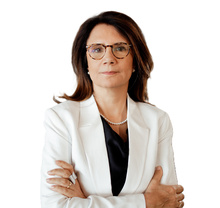
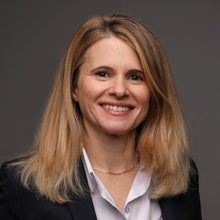
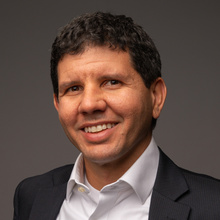
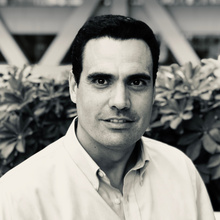
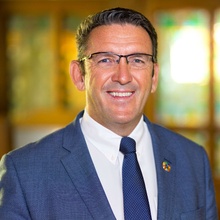
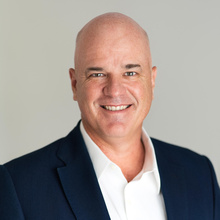
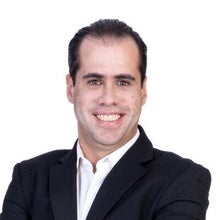
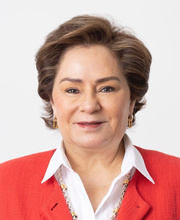
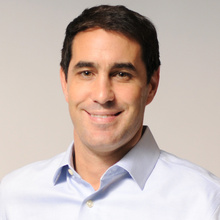
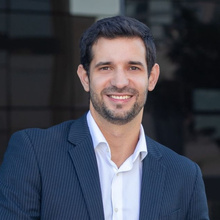
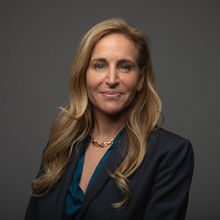
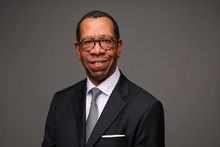
Participantes






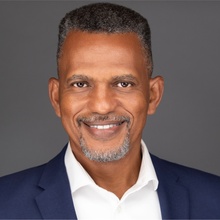
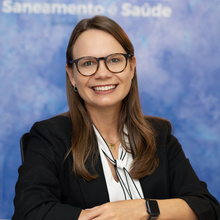
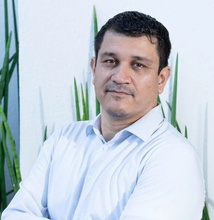





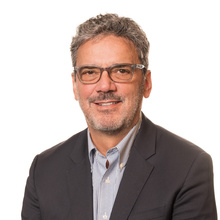













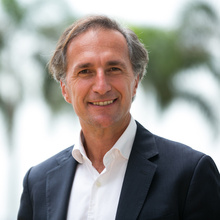
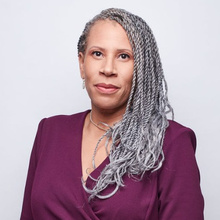

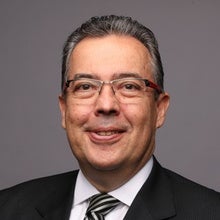

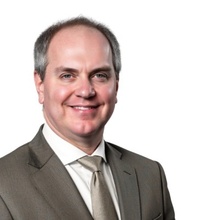





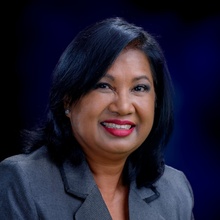



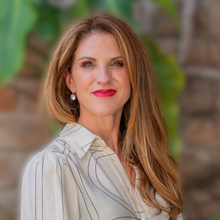
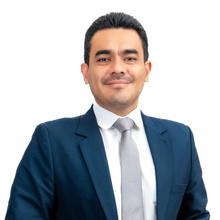

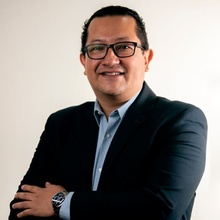

















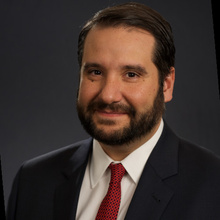

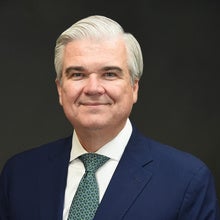

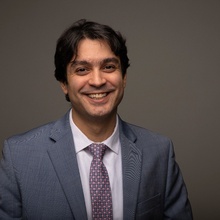
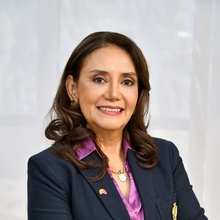
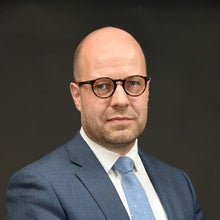
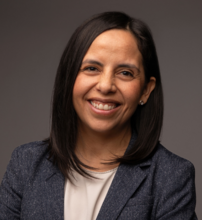
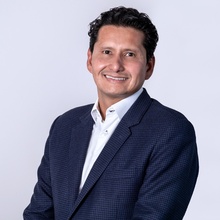

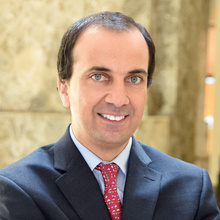






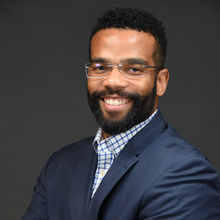
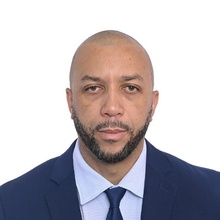
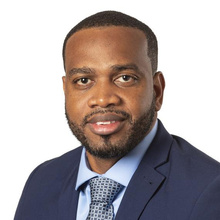
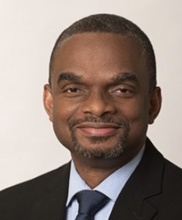






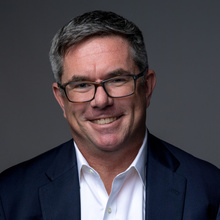
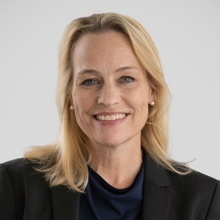
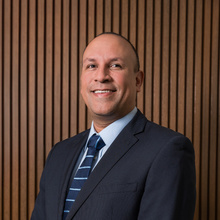

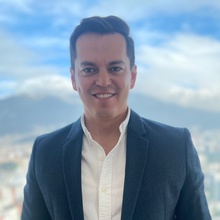

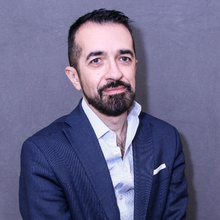
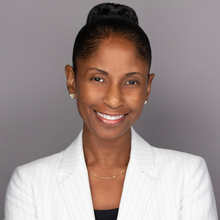
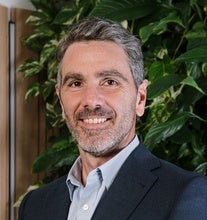
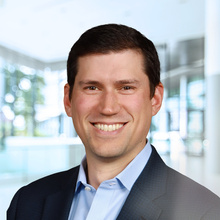




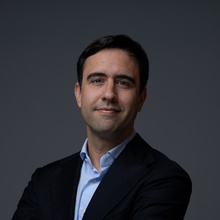
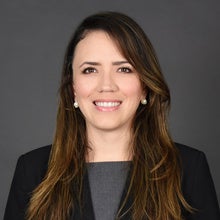

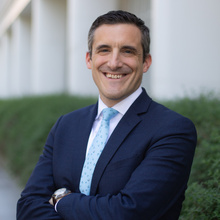

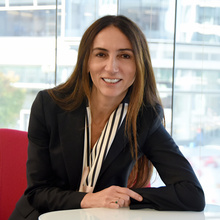
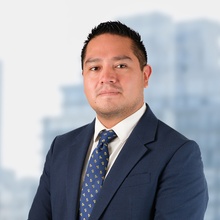
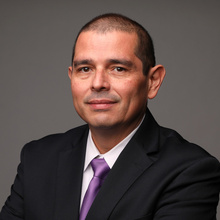
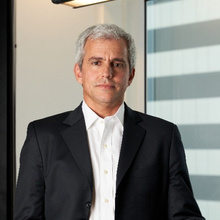
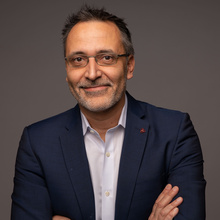





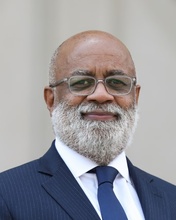




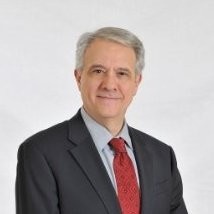
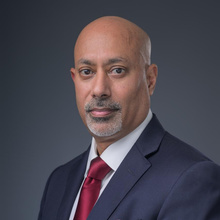
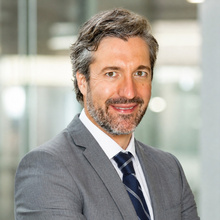







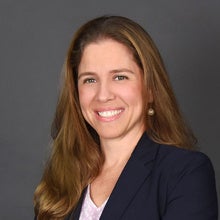

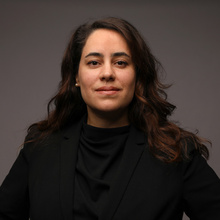

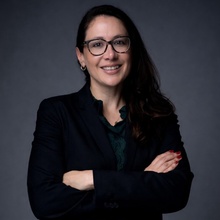




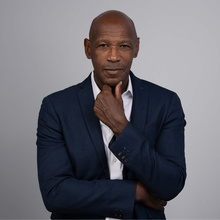














Agenda
Sustainability Week 2026 explorará cinco temas transformativos que son críticos para el desarrollo sostenible de América Latina y el Caribe.
Seleccione las sesiones de su interés dando clic al botón de la estrella (☆). Posteriormente, haga clic en el botón "Generar mi agenda SW26" y descargue el PDF personalizado.


Esta conversación estratégica explorará cómo el Caribe está evolucionando como plataforma para el crecimiento del sector privado, la inversión y la expansión empresarial regional.
Reuniendo a líderes de los sectores empresarial y de infraestructura de la región, el debate analizará los cambios que se están produciendo en las economías caribeñas, las realidades de la expansión empresarial en mercados fragmentados y el papel de la infraestructura, la energía, la conectividad y la integración regional en el fomento de la competitividad a largo plazo.
Asimismo, se explorarán las necesidades del Caribe para atraer mayor inversión privada y consolidar su posición como una región económica más conectada, atractiva para la inversión y resiliente.
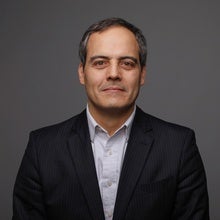
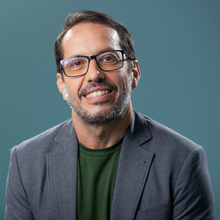
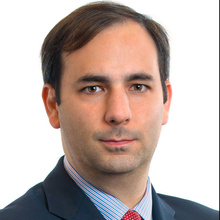
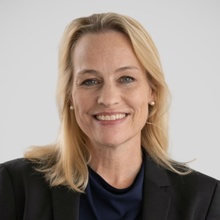
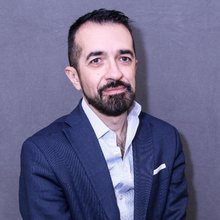
Desde su introducción en 2024, 'Originar para compartir' ha evolucionado de un concepto a un modelo operativo — entregando resultados medibles en la movilización de capital privado para el desarrollo sostenible en América Latina y el Caribe.
Esta sesión hace un balance de ese progreso y explora cómo el enfoque se está desplegando a escala para conectar las prioridades de desarrollo regional con los mercados de capitales globales. La discusión se centrará en cómo los activos se están originando, estructurando y compartiendo para atraer inversión privada a través de la movilización, el financiamiento combinado y mecanismos innovadores de distribución de riesgos.
Los panelistas destacarán ejemplos concretos donde 'Originar para compartir' ha permitido soluciones bancables, acelerado el despliegue de capital y alineado los retornos financieros con resultados de sostenibilidad. La sesión también mirará hacia la próxima fase del modelo, examinando cómo puede escalarse aún más para satisfacer las crecientes necesidades de inversión de la región.
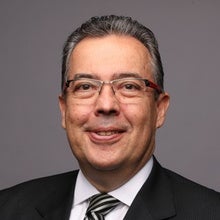

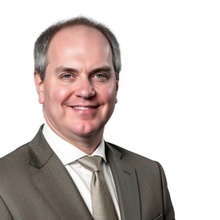
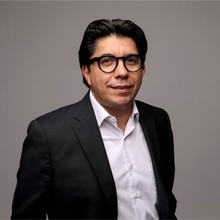
Asegurar la sostenibilidad en las cadenas de suministro de minerales críticos requiere una combinación de tecnología avanzada, gobernanza y alianzas colaborativas. ¿Cómo puede la región competir globalmente mientras asegura beneficios ambientales y sociales duraderos?


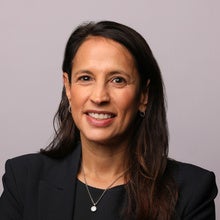

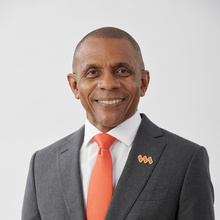

Discurso de Daniel Best, Presidente del Banco Caribeño de Desarrollo (CDB) y Socio Principal de SW26

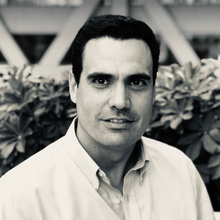



Para los 10 huracanes más severos, los países del Caribe experimentan un aumento promedio del 10% en la deuda pública en comparación con las tendencias previas a la tormenta.
Los canjes de deuda por resiliencia son una forma en que los países con espacio fiscal limitado pueden liberar nuevos fondos para resiliencia y adaptación sin generar cargas de deuda adicionales.
Para aumentar el tamaño y la cantidad de canjes de deuda necesitamos incorporar nuevos garantes, incluyendo garantes no tradicionales de canjes de deuda, como aseguradoras privadas, y tener canjes con múltiples garantes.
Este panel discutirá mecanismos prácticos de mejora crediticia para ayudar a reducir la carga fiscal y entregar impacto relacionado con la resiliencia a escala, así como los beneficios clave de la Iniciativa Caribeña de Deuda por Resiliencia con Múltiples Garantes, recientemente lanzada por el BID, CAF y CDB.
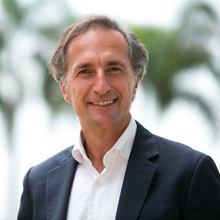

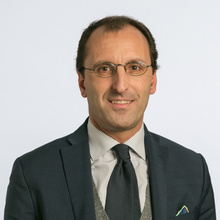


La sesión se centrará en enfoques prácticos para integrar buenas prácticas sociales, ambientales y de gobernanzaen el diseño de proyectos — traduciendo compromisos de sostenibilidad en soluciones bancables y ajustadas al riesgo.
Los panelistas examinarán modelos de distribución de beneficios intersectoriales que asignan una porción del valor del proyecto a las comunidades anfitrionas, incluyendo poblaciones desplazadas y aquellas que renuncian al acceso a la tierra o recursos naturales.
La sesión destacará cómo estos enfoques pueden reducir el riesgo de las inversiones, fortalecer la licencia social para operar y mejorar los resultados de desarrollo, mientras permanecen alineados con marcos específicos del sector y nacionales.
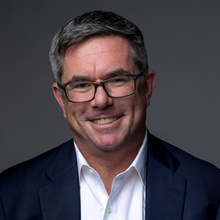

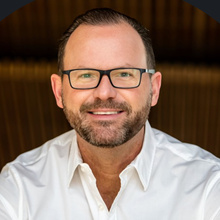
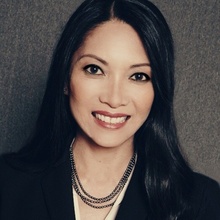


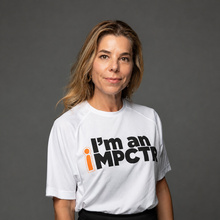


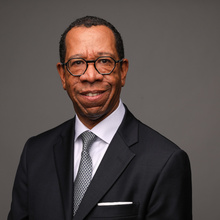
La titulización ofrece una herramienta poderosa pero aún subutilizada para canalizar capital privado hacia prioridades de desarrollo, desde vivienda asequible hasta financiamiento para mipymes e infraestructura. Esta sesión explora cómo los emisores de la región pueden diseñar transacciones estructuradas que cumplan con las expectativas de los inversionistas, al tiempo que generen impactos medibles, así como las condiciones regulatorias y de mercado necesarias para escalar estos instrumentos.
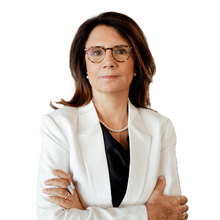
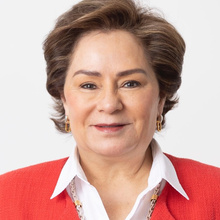
La discusión se centrará en las finanzas sostenibles, destacando los mecanismos financieros innovadores y el papel fundamental del sector privado en la ampliación del financiamiento en la región para apoyar el desarrollo sostenible.

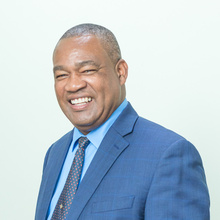
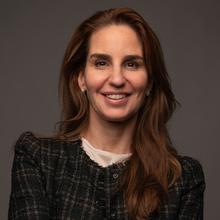
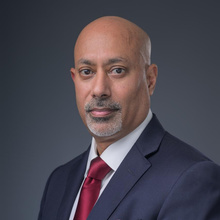
La disrupción hoy toma muchas formas: volatilidad del mercado, cambios regulatorios, cambios tecnológicos y cambios de expectativas de los grupos de interés. En sectores de alto impacto, estas presiones convergen a nivel del directorio.
Esta sesión reúne a directores para examinar cómo los directorios están redefiniendo su papel en entornos marcados por la incertidumbre y las consecuencias. La discusión se centrará en las decisiones que dan forma a los resultados: supervisar la estrategia bajo supuestos cambiantes, equilibrar la velocidad con controles sólidos, abordar riesgos sociales, ambientales y operacionales, y alinear los incentivos con la creación de valor a largo plazo.
A través de experiencia concreta en salas de juntas, los panelistas compartirán cómo las estructuras y comportamientos de gobernanza evolucionan cuando hay mucho en juego.
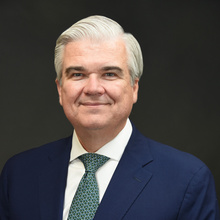
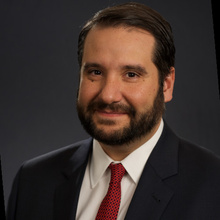
Cuando hablamos de sostenibilidad en las finanzas para el desarrollo, la conversación a menudo comienza con los activos — proyectos de alto impacto, infraestructura social, financiamiento sostenible. Pero desde la perspectiva de un CFO, esa es solo la mitad de la historia.


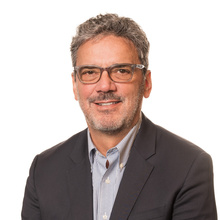
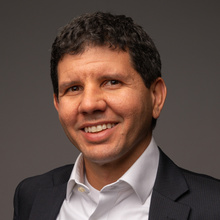
La sesión examinará cómo los mecanismos de microseguros y seguros paramétricos son impulsores de la resiliencia. Además, se discutirá la innovación de productos, los canales de distribución y el papel de los seguros en la construcción de resiliencia y salud financiera.

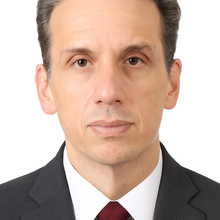

Construir una confianza pública profunda, mejorar la reputación y fomentar la lealtad a través de la comunicación transparente de métricas de desempeño, valores y rendición de cuentas puede fortalecer las relaciones con los clientes, atraer talento ético, reducir riesgos y humanizar las marcas. Esta sesión discutirá soluciones para mejorar la transparencia y el compromiso con los grupos de interés, y proporcionar una ventaja competitiva en los negocios.



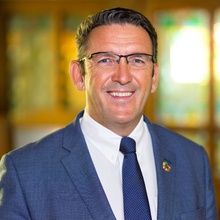
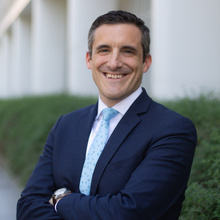
Una discusión sobre cómo el blended finance traduce la ambición en acción práctica, cerrando la brecha entre concepto, capital y ejecución, y habilitando soluciones de inversión escalables en clima, resiliencia y desarrollo sostenible.



Este panel reúne a líderes de alto nivel en inversiones de fondos para explorar cómo están generando valor no financiero medible junto con retornos competitivos.
La conversación destacará el vínculo entre un sólido desempeño ambiental y social, la gestión de riesgos, la resiliencia y el valor financiero a largo plazo, ofreciendo perspectivas prácticas para inversionistas que buscan la implementación de capital orientado al impacto.


Este panel explorará cómo las empresas del sector privado del Caribe están utilizando/podrían utilizar las soluciones basadas en la naturaleza (SbN) como herramientas prácticas para gestionar los riesgos, fortalecer la resiliencia de los proyectos y mejorar el acceso al financiamiento.



Para los inversionistas, la pregunta más fundamental es: ¿Qué hace que un país sea atractivo para invertir a largo plazo? La respuesta comienza con la solidez fiscal.
Esta sesión presenta la sostenibilidad fiscal como un habilitador clave de la inversión privada. Los marcos fiscales sólidos reducen la incertidumbre, estabilizan el entorno operativo e influyen directamente en la percepción de riesgo, la asignación de capital y los retornos de largo plazo. Sin ellos, incluso los instrumentos financieros más innovadores tienen dificultades para escalar o generar un impacto duradero.
Reuniendo perspectivas de los sectores de seguros, gestión de activos, infraestructura y mercados de capitales, el panel explorará tres dimensiones clave:
- Reducir el riesgo y movilizar capital:cómo políticas fiscales creíbles y una gestión disciplinada de la deuda reducen el riesgo país y crean entornos de inversión más predecibles.
- Integrar el clima y el riesgo en el balance fiscal: cómo los gobiernos están incorporando los riesgos climáticos y de desastres en la planificación fiscal, reduciendo sorpresas que pueden afectar los mercados y las inversiones.
- De contraparte a socio estratégico: cómo instituciones fiscales más sólidas permiten a los gobiernos relacionarse de manera más efectiva con el sector privado, mediante carteras de infraestructura, mecanismos de distribución de riesgos y mercados de capital más profundos.
Para los actores del sector privado, la sostenibilidad fiscal no es un concepto abstracto; impacta directamente los retornos, la fijación de precios y la exposición de las carteras de inversión.
Esta sesión ofrecerá una discusión práctica y con visión de futuro sobre cómo evaluar la credibilidad fiscal, dónde están surgiendo oportunidades en la región y qué reformas pueden impulsar una mayor participación del capital privado.


Las reformas políticas y regulatorias juegan un papel decisivo en la mejora de la movilización de recursos — atrayendo y desplegando eficientemente financiamiento público, inversión privada y capital concesional — en todo el sector eléctrico. Las reformas bien diseñadas reducen el riesgo, mejoran el flujo de caja y fortalecen la credibilidad institucional, todos ellos requisitos previos para movilizar capital a gran escala en sistemas eléctricos intensivos en capital.
Esta sesión presentará cómo los brazos público y privado del Grupo BID colaboraron en reformas iniciales para abrir el sector a la inversión privada competitiva, aprovechando el poder financiero de BID Invest. Esto incluye la labor del BID para impulsar la reforma mediante el diálogo y los instrumentos de financiación de políticas, así como la amplia gama de productos financieros de BID Invest para el sector privado.


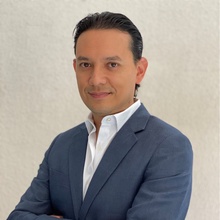
La diversificación energética de América Latina está siendo frenada no por la falta de generación, sino por las limitaciones de las redes que la transportan.
Las tecnologías de mejora de red (GET's por sus siglas en inglés) — desde el control avanzado de flujo de potencia hasta la calificación dinámica de líneas y la optimización de topología — ofrecen un camino rentable y rápidamente desplegable para aumentar dramáticamente la capacidad de transmisión sin esperar nueva infraestructura por años.
Esta sesión explorará cómo se están aplicando las GETs en toda la región, qué barreras regulatorias y de financiamiento aún persisten, y cómo los inversores privados y las instituciones financieras de desarrollo pueden trabajar juntos para acelerar su adopción a escala.
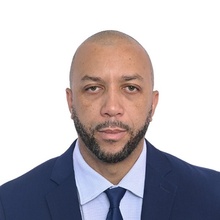
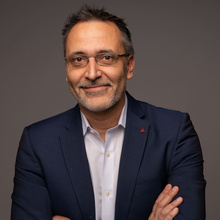

Cómo los instrumentos de financiamiento combinado pueden desbloquear capital privado a escala para la mitigación y la diversificación energética en mercados emergentes, abordando riesgos a lo largo del ciclo de vida del proyecto.

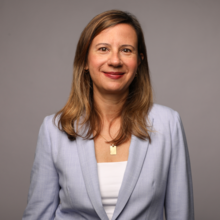
Los inversionistas en infraestructura de América Latina y el Caribe enfrentan crecientes riesgos físicos asociados al cambio climático que afectan directamente el desempeño de los activos, los flujos de caja y los retornos de inversión. Sin embargo, la resiliencia sigue considerándose con frecuencia como un costo, en lugar de un generador de valor.
Esta sesión, basada en la guía conjunta de BID Invest e ICF, explorará cómo los inversionistas pueden traducir los riesgos climáticos en métricas financieras e integrar la adaptación climática en sus decisiones de inversión. Asimismo, destacará cómo medidas de resiliencia específicas pueden reducir pérdidas, estabilizar ingresos y mejorar la bancabilidad de los proyectos, apoyándose en herramientas prácticas y ejemplos reales de toda la región.

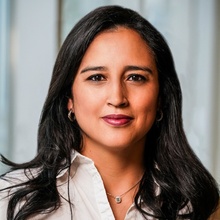
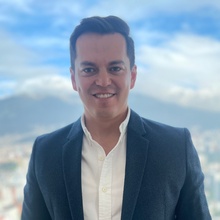
Ecuador adjudicó 12 proyectos energéticos por un total de 800 MW a desarrolladores privados, pero los desafíos asociados al riesgo de pago de las empresas distribuidoras públicas de electricidad ralentizaron el avance de toda la cartera, dejando en suspenso más de US$1.000 millones en inversiones potenciales en energía.
Esta sesión destaca cómo un mecanismo específico de garantía de liquidez contribuyó a abordar estas restricciones, como resultado de una estrecha colaboración entre el BID, BID Invest y la Global Energy Alliance for People and Planet (GEAPP), cuyo financiamiento hizo posible la asistencia técnica necesaria.
De manera conjunta, los socios diseñaron y estructuraron una solución que ayudó a transformar un mercado restringido en una cartera financiable, ofreciendo lecciones para otros mercados de América Latina y el Caribe donde el riesgo del comprador de energía sigue siendo una barrera para la inversión en el sector.
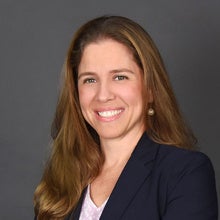

Esta sesión explora cómo la agrotecnología y la agricultura de precisión ya no son solo innovaciones "deseables", sino que son los impulsores fundamentales de la resiliencia empresarial.
Al integrar riego impulsado por inteligencia artificial, insumos biológicos y trazabilidad blockchain, los productores están reduciendo los costos operativos y disminuyendo los riesgos de sus rendimientos. La discusión se centrará en una cuestión central: La sostenibilidad es el modelo de negocio.
Además, Examinaremos cómo las soluciones apoyadas por la tecnología se están convirtiendo en una "licencia para operar" en los mercados globales y cómo BID Invest está cerrando la distancia entre las pruebas de concepto innovadoras y los programas tecnológicos bancarizables a escala corporativa.

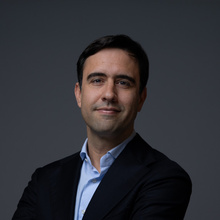
El panel presentará soluciones prácticas y escalables que los productores, inversores y actores de la agroindustria están implementando. Una conversación enfocada en herramientas concretas, modelos de negocio y alianzas que están impulsando la seguridad alimentaria en la región.
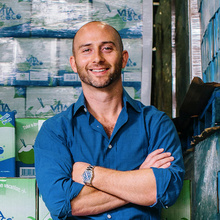

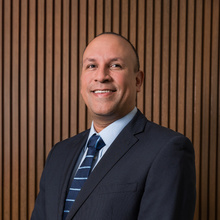

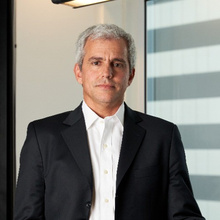
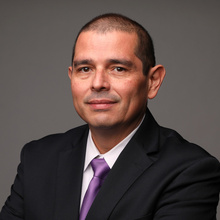
Todos los países de América Latina y el Caribe requieren inversión extranjera directa. Además, las cadenas de valor sostenibles requieren más que demanda, requieren la infraestructura adecuada para crecer y escalar. Los parques industriales están emergiendo como un vínculo crítico para habilitar esta transición, proporcionando el ecosistema físico, logístico y regulatorio necesario para conectar productores, fabricantes y mercados.
Esta sesión explorará cómo el desarrollo y modernización de parques industriales puede acelerar la creación de cadenas de suministro sostenibles en América Latina y el Caribe. Al reunir a desarrolladores de infraestructura, líderes del sector privado e inversores, la conversación se centrará en cómo los parques industriales pueden fortalecer la integración regional y proporcionar la columna vertebral para que las empresas escalen de manera sostenible.

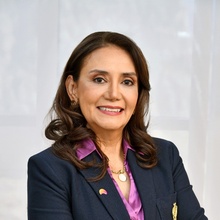


A medida que la sostenibilidad se vuelve central en la estrategia empresarial, las organizaciones no sólo buscan demostrar intenciones, sino resultados reales.
Este panel explorará cómo medir el impacto — a través de evaluaciones de impacto y otras herramientas basadas en datos — ayuda a las empresas y bancos a informar la toma de decisiones, fortalecer la gestión de riesgos, apoyar la innovación y alinear los objetivos de sostenibilidad con el valor empresarial a largo plazo.
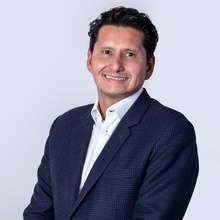

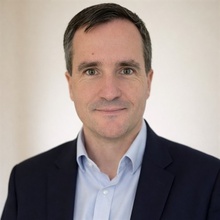

La conversación explorará las principales barreras que enfrentan las mipymes y rutas accionables para resolverlas. Descubra cómo la innovación del sector privado—incluyendo servicios digitales, integrados y no financieros—puede impulsar la competitividad, resiliencia y acceso al capital de las mipymes en las cadenas de valor.
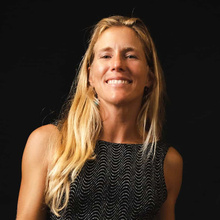



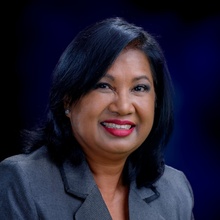
Esta sesión explorará cómo se aplican en la práctica los códigos de gobierno corporativo. Está pensada como un intercambio entre pares sobre lecciones aprendidas, señales tempranas y cómo los marcos de gobernanza pueden apoyar la competitividad y la confianza de los inversores en mercados pequeños y medianos.
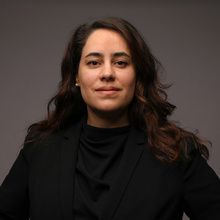
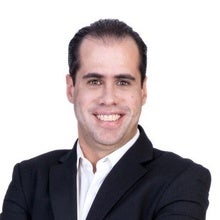
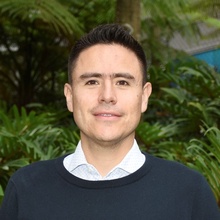
Este panel explora cómo las empresas pueden ir más allá de los compromisos para escalar lo que funciona — desbloqueando talento, expandiendo el acceso al capital y fortaleciendo los pipelines de liderazgo.
Basándose en prácticas empresariales reales, destacará cómo el liderazgo y los enfoques de ecosistema permiten la participación plena e impulsan la productividad, la resiliencia y el crecimiento a largo plazo.


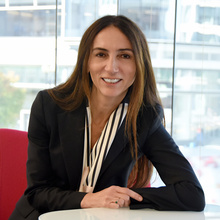
Construir una confianza pública profunda, mejorar la reputación y fomentar la lealtad a través de la comunicación transparente de métricas de desempeño, valores y rendición de cuentas puede fortalecer las relaciones con los clientes, atraer talento ético, reducir riesgos y humanizar las marcas.
Esta sesión discutirá soluciones para mejorar la transparencia y el compromiso con los grupos de interés, y proporcionar una ventaja competitiva en los negocios.
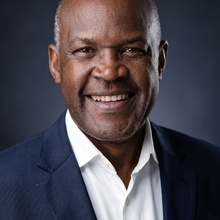
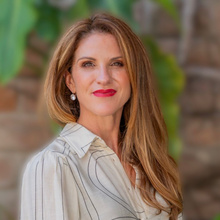
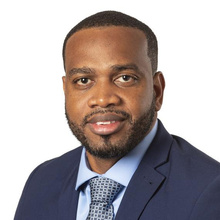

Las economías que dependen del turismo, particularmente en el Caribe, enfrentan crecientes riesgos — desde huracanes y erosión costera hasta escasez de agua y degradación de ecosistemas. Sin embargo, la infraestructura turística basada en resorts sigue siendo una de las mayores inversiones del sector privado en muchas economías insulares.
Este evento explorará cómo las instituciones financieras, los gobiernos y los desarrolladores turísticos pueden colaborar para fortalecer la resiliencia en las inversiones turísticas basadas en resorts.
A través de un diálogo interactivo, los participantes examinarán:
- Cómo el riesgo climático está reformulando las decisiones de inversión turística.
- Soluciones de financiamiento para infraestructura turística resiliente al clima.
- El papel de los marcos de gestión del riesgo de desastres en la protección de activos turísticos.
- Oportunidades para financiamiento combinado, soluciones de seguros e inversiones vinculadas a la resiliencia.
Como uno de los motores más poderosos de crecimiento económico del Caribe, el turismo tiene un enorme potencial para la prosperidad comunitaria. Esta sesión examina cómo las comunidades, los inversores y las autoridades locales pueden colaborar de maneras prácticas y tangibles para diseñar, financiar y gestionar modelos turísticos que entreguen valor a largo plazo y potencien el desarrollo.


Esta charla explorará cómo unos mecanismos financieros innovadores pueden apoyar programas sociales dirigidos a reducir la violencia y fortalecer la resiliencia comunitaria.
La conversación se centrará en la experiencia de Jamaica con la Bolsa Social de Jamaica (JSSE) y su apoyo a iniciativas como el Proyecto STAR, que busca abordar los impulsores sociales del crimen a través de intervenciones comunitarias focalizadas.
La discusión examinará cómo los mercados de capitales, los inversores privados y los gobiernos pueden trabajar juntos para financiar programas de impacto social y qué lecciones ofrece esta experiencia para escalar modelos de financiamiento innovadores en todo el Caribe.
Al destacar el enfoque de Jamaica, la sesión demostrará cómo alinear los retornos financieros con los resultados sociales puede crear vías sostenibles para financiar programas que fortalezcan la seguridad ciudadana y la resiliencia social.



Explorar cómo los mercados de capitales están avanzando la sostenibilidad a través de bonos temáticos. Aprender sobre emisión, demanda de inversores y el papel de los mercados de capitales en bonos azules, sociales y de biodiversidad.
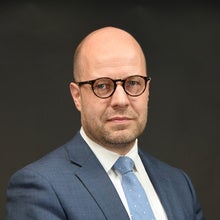

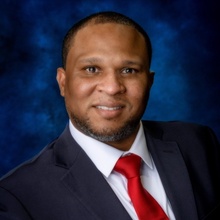

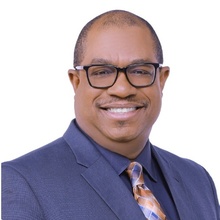
La sesión analizará los bonos sostenibles en moneda local, disponibilidad de moneda local en el Caribe y el papel de los bancos comerciales en el escalamiento de los mercados.
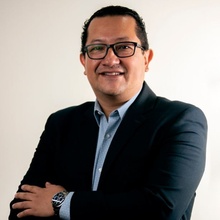
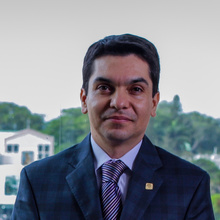

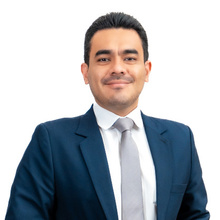
Este panel discutirá enfoques innovadores para financiar proyectos sostenibles, destacando las mejores prácticas y lecciones aprendidas de la estructuración del primer bono de biodiversidad de Brasil, el primer "Bono Amazónico" y los dos primeros bonos azules de Centroamérica. También abordará factores esenciales para escalar el financiamiento de estos proyectos dentro del sector bancario privado.
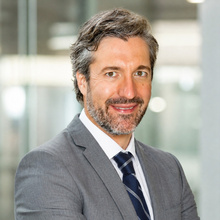

Los ecosistemas fintech están mejorando la salud financiera a través de soluciones innovadoras de transformación digital en toda la cadena de valor financiero, desde comprender a los clientes hasta diseñar productos, incorporar usuarios, habilitar transacciones y proporcionar soporte al cliente.
Exploraremos cómo los datos alternativos, la analítica, los pagos instantáneos y los ecosistemas de API abiertas pueden expandir el crédito y el ahorro para grupos con menor acceso mientras fortalecen la experiencia del usuario y la eficiencia.
También abordaremos los temas difíciles de la alfabetización digital, la confianza, la ciberseguridad y la preparación regulatoria para que la transformación digital pueda avanzar el desarrollo y la resiliencia en ALC.
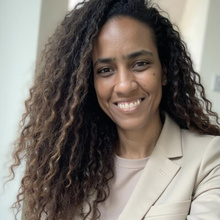
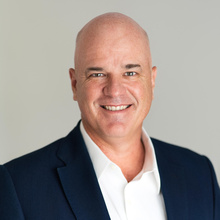
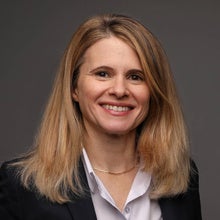
El capital privado y las fuentes alternativas de financiamiento tienen un potencial real para impulsar el desarrollo en el Caribe. Sin embargo, movilizar capital privado en estos mercados implica enfrentar un conjunto particular de desafíos. Esta conversación explora qué se necesita realmente para movilizar inversiones en mercados que aún están fortaleciendo su infraestructura de mercados de capitales y qué enseñanzas pueden extraerse de estas experiencias para contextos similares en América Latina y el Caribe.

La viabilidad o el fracaso de la mayoría de proyectos se define mucho antes del cierre financiero: en las etapas de prefactibilidad y factibilidad. Es allí donde se establecen las decisiones de ingeniería, la lógica de flujo de caja y los supuestos de resiliencia que determinarán el desempeño del proyecto a largo plazo. Sin embargo, este trabajo upstream continúa estando rezagado en términos de financiamiento.
Tomando al Caribe como caso de referencia, esta conversación explorará cómo financiar estudios en etapas tempranas e incorporar los conceptos técnicos que determinan el desempeño y la bancabilidad de un proyecto cuando todavía hay margen para moldearlos, y no cuando la estructuración financiera ya está avanzada.
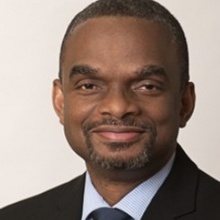

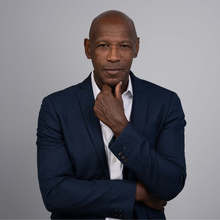
Este panel explora cómo el Caribe puede convertir su tamaño en una fortaleza, aprovechando la gobernanza, la coordinación de políticas y la innovación para transformar la integración regional en una ventaja competitiva. Al actuar de forma más cohesionada en los distintos mercados, los países pueden reducir las fricciones, acelerar la ejecución y movilizar inversiones en oportunidades transfronterizas viables. Se destacará cómo el tamaño reducido de la región permite agilidad, reformas más rápidas y soluciones escalables, posicionando al Caribe como una plataforma unificada y más atractiva para el capital privado.
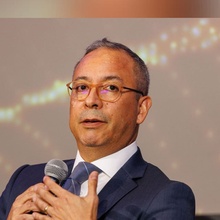

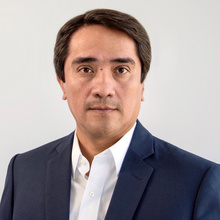
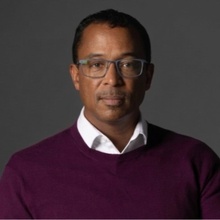
La sostenibilidad en el transporte en América Latina y el Caribe ha sido tradicionalmente abordada desde la perspectiva de la resiliencia, una prioridad urgente dada la exposición de la región a fenómenos meteorológicos extremos. Este panel propone ampliar la discusión hacia la próxima frontera: cómo la sostenibilidad también puede convertirse en una fuente de ventaja competitiva.
Si bien estas tendencias aún se encuentran en una etapa incipiente, soluciones como los combustibles de bajas emisiones y la electrificación ya están comenzando a generar beneficios tangibles, a través de mayores eficiencias de costos, nuevas fuentes de ingresos y un mejor posicionamiento frente a clientes que demandan cada vez más servicios ambientalmente sostenibles.
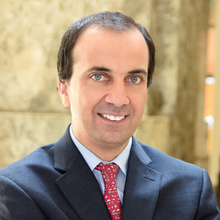

¿Qué necesitan de los gobiernos las empresas sostenibles en cuanto a fundamentos macroeconómicos y facilitadores sectoriales?
La sesión cubrirá estas preguntas y también girará en torno a países que presentan oportunidades únicas, como la riqueza de recursos, para que las ganancias de estas dotaciones puedan generar beneficios amplios.
La discusión destacará soluciones institucionales a los desafíos macroeconómicos y soluciones ofrecidas por BID Invest para contribuir a mayores ganancias y al crecimiento sostenido.

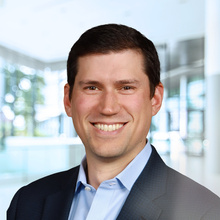

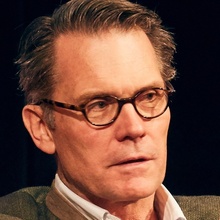
La sostenibilidad en el transporte en América Latina y el Caribe ha sido tradicionalmente abordada desde la perspectiva de la resiliencia, una prioridad urgente dada la exposición de la región a fenómenos meteorológicos extremos. Este panel propone ampliar la discusión hacia la próxima frontera: cómo la sostenibilidad también puede convertirse en una fuente de ventaja competitiva.
Si bien estas tendencias aún se encuentran en una etapa incipiente, soluciones como los combustibles de bajas emisiones y la electrificación ya están comenzando a generar beneficios tangibles, a través de mayores eficiencias de costos, nuevas fuentes de ingresos y un mejor posicionamiento frente a clientes que demandan cada vez más servicios ambientalmente sostenibles.
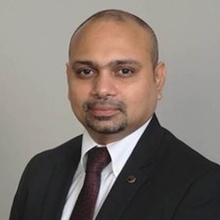



La gestión y disposición final de los residuos urbanos e industriales presenta desafíos importantes en América Latina y el Caribe.
Mediante ejemplos concretos, el panel explorará nuevos modelos de negocio sostenibles vinculados con la gestión y valorización de residuos que están siendo catalizadores de la atracción de la inversión privada al sector, el papel de la tecnología y la regulación en este proceso


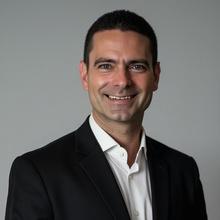
Esta sesión reúne a voces líderes de toda América Latina y el Caribe para abordar las decisiones que están definiendo el futuro de la inteligencia artificial y la salud digital en la región. Los panelistas analizarán dónde la IA genera verdadero valor y dónde sus promesas resultan exageradas, cómo trascender la lógica del ahorro de costos a corto plazo para avanzar hacia la resiliencia y la sostenibilidad de los sistemas de salud, y qué papel deben desempeñar los gobiernos y el sector privado para impulsar una innovación responsable. La conversación situará la equidad en el centro del debate explorando cómo la IA puede priorizar a las poblaciones vulnerables, atender necesidades no cubiertas en salud mental y enfermedades no transmisibles, y fortalecer la resiliencia climática de la infraestructura sanitaria, al tiempo que aborda los desafíos más complejos en torno a la rendición de cuentas, la ciberseguridad y la confianza en los sistemas de salud impulsados por IA.
La digitalización de la última milla puede reducir los costos de entrega y facilitar el acceso a servicios esenciales al trasladar las transacciones, la identidad y la prestación de servicios a canales móviles. Esta charla examinará los elementos clave que hacen que la asequibilidad sea escalable, incluyendo pagos digitales interoperables, focalización basada en datos y alianzas que llegan a comunidades desatendidas. Discutiremos formas prácticas de desplegar soluciones mientras fortalecemos la confianza, la protección al consumidor y aceleramos la adopción.
En el marco de la Sustainability Week 2026, le invitamos a formar parte de la promoción de 2026 de la Masterclass de Gestión de Impacto de BID Invest, una formación de primer nivel diseñada para proporcionarle los conocimientos, las herramientas y las estrategias necesarias para prosperar en el cambiante panorama de la inversión y posicionar a su equipo para obtener financiación institucional.


Esta sesión va más allá del protocolo familiar y se enfoca en las estructuras que hacen funcional la gobernanza familiar: cuándo y cómo crear un Consejo Familiar, cómo debe estar compuesto y — de manera crítica — cómo se conecta con la empresa operativa o grupo de empresas sin crear centros de poder paralelos. A través de marcos prácticos e ilustraciones, los participantes explorarán la arquitectura de gobernanza que se adapta a las diferentes etapas de evolución del negocio familiar.

Diseño e implementación práctica del cumplimiento de integridad adaptado para pequeñas y medianas empresas (PyMEs).
La discusión destacará cómo las PyMEs pueden desarrollar marcos de cumplimiento efectivos y de tamaño adecuado que coincidan con su tamaño, complejidad y realidades operativas, fortaleciendo la resiliencia, competitividad y sostenibilidad a largo plazo.
Los panelistas destacarán los desafíos comunes que enfrentan las PyMEs, compartirán soluciones prácticas y buenas prácticas, y mostrarán la experiencia de BID Invest apoyando estos esfuerzos, incluyendo el fortalecimiento de capacidades.
Descubra cómo AmazoniaForever360+, la plataforma de inteligencia territorial del Grupo BID para la Amazonía, puede transformar la forma en que comprende y utiliza los datos para la toma de decisiones.
La plataforma reúne más de 140 indicadores territoriales de ocho países amazónicos, convirtiendo información compleja en información clara y práctica mediante dos herramientas con inteligencia artificial: sistema de cuadrícula y mosaico de ecosistema. Diseñada para usuarios sin experiencia, AmazoniaForever360+ hace que la inteligencia territorial sea accesible, intuitiva, práctica y divertida.
Durante esta sesión interactiva, podrá ver una demostración en vivo de la plataforma, conocer su valor para el análisis y la planificación, y registrarse para comenzar a explorarla en tiempo real.
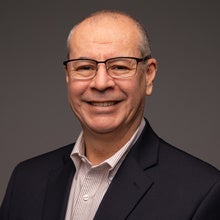
El curso, dividido en 7 módulos, analiza los requerimientos de la Norma de Desempeño 1 y establece pautas para su aplicación práctica. Analiza lo que son los Sistemas de Gestión Ambiental y Social (SGAS) y cómo se pueden concebir y adoptar en función de las características de los proyectos; brinda recomendaciones para formular una Política Ambiental y Social que sea práctica; sugiere formas de operativizar y controlar la ejecución de los Programas de Manejo Ambiental y Social (PMAS); presenta formas para manejar el riesgo asociado a la ejecución de los proyectos; analiza algunas de las formas para prevenir y dar respuesta a contingencia y emergencias; examina los requerimientos de capacidad y competencia del recurso humano para gerenciar los SGAS; y revisa los requerimientos mínimos necesarios para lograr una interacción con la comunidad.

Esta sesión examina el papel de las juntas directivas y la alta gerencia en la gobernanza de tecnología, innovación e inteligencia artificial, basándose en los conocimientos de la iniciativa de Tecnología, Innovación e IA en Juntas Directivas (TIAB) de BID Invest y su kit de herramientas práctico.
La discusión se centrará en el cambio de la conciencia a la supervisión efectiva: establecer barreras claras para la innovación, alinear la tecnología con la estrategia, supervisar los riesgos relacionados con la IA y fortalecer la rendición de cuentas a medida que se acelera la transformación digital.
Basada en experiencia del mundo real e informada por evidencia regional, la sesión destacará qué están priorizando las juntas directivas y la alta gerencia, dónde persisten los desafíos y cómo se ve en la práctica la gobernanza efectiva de la IA.
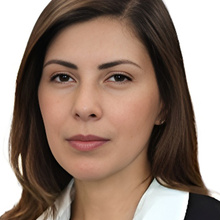



Este seminario web explorará cómo los sistemas de ALD/CFT en ALC pueden mejorar su efectividad y sostenibilidad, destacando cómo las sólidas alianzas público-privadas, el intercambio mejorado de información y los enfoques basados en riesgo ayudan a reducir el riesgo, construir confianza en el mercado y apoyar la movilización de capital.
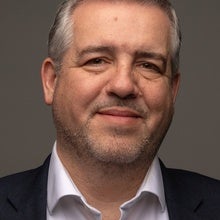
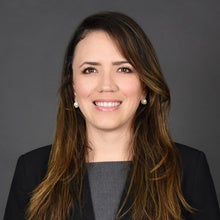
Un análisis práctico y en profundidad de los bonos azules tanto para emisores como para inversionistas. Abordaremos el panorama en rápida evolución de la orientación en finanzas azules, cómo los emisores definen las actividades elegibles y las exclusiones, y cómo los inversionistas evalúan la integridad a través de la gobernanza, los KPIs, la divulgación de información y la verificación. Utilizando ejemplos concretos de la práctica del mercado—incluida la experiencia de BID Invest en la emisión de bonos azules bajo su Marco de Deuda Sostenible—esta sesión destaca qué factores generan credibilidad, atraen demanda y respaldan una cartera escalable de activos azules.

Los inversores dependen cada vez más de una amplia gama de información al evaluar oportunidades, riesgos y valor a largo plazo. Las prácticas de divulgación en el sector privado también han evolucionado, planteando preguntas sobre cómo la transparencia puede moldear las decisiones de inversión.
Los panelistas discutirán cómo los inversores utilizan la información disponible al evaluar proyectos y riesgos, así como si una mayor divulgación influye en la movilización de capital hacia inversiones sostenibles. La sesión también examinará los desafíos prácticos relacionados con la presentación de informes, comparabilidad y estandarización de información, así como el equilibrio entre transparencia y confidencialidad.
Estrategias prácticas para fortalecer la integración de las mipymes en cadenas de suministro sostenibles.
Las discusiones se centrarán en reducir las brechas de financiamiento y capacidad a través del uso estratégico de garantías, el papel de los intermediarios locales y la importancia de construir capacidades locales.
Se prestará especial atención a cómo los intermediarios pueden facilitar el acceso a financiamiento, asistencia técnica y oportunidades de mercado a escala.


Presentar el Kit de Herramientas CARIBEquity para inversores en etapa temprana, un producto de conocimiento interactivo único adaptado al naciente ecosistema de innovación del Caribe, y presentar un modelo de implementación que combina la entrega de conocimiento, oportunidades de networking y fortalecimiento de capacidades de inversores para movilizar capital para los innovadores caribeños.


América Latina y el Caribe enfrentan persistentes barreras de inclusión financiera que limitan el acceso a financiamiento estable y asequible. Para abordar estas brechas estructurales, BID Invest está escalando el financiamiento en moneda local, un impulsor crítico del crecimiento del sector privado.
Para satisfacer esta necesidad, BID Invest desarrolló una Herramienta de Pronóstico de Efectivo interna construida en Databricks y potenciada por IA agéntica.
Reemplazando hojas de cálculo fragmentadas con una plataforma unificada y gobernada, el sistema pronostica movimientos de efectivo con alta precisión a través de monedas, cuentas, actividades y prioridades de liquidación.
Al integrar IA avanzada con el mandato impulsado por la misión de BID Invest, esta solución desbloquea la capacidad de la institución para escalar el financiamiento en moneda local de manera más segura y efectiva — expandiendo las oportunidades económicas, protegiendo a las poblaciones de la volatilidad cambiaria y permitiendo un mayor impacto en el desarrollo del sector privado en toda la región.
Esta sesión ofrece una mirada pragmática a los mecanismos de gobernanza interna que permiten a las empresas de propiedad estatal mantener la continuidad estratégica independientemente de los cambios en el gobierno. Desde los roles críticos pero a menudo pasados por alto, del secretario corporativo y el presidente de la junta en la gestión de traspasos, hasta el diseño de sistemas de memoria institucional y protocolos de transición, los participantes se irán con herramientas concretas que pueden aplicar inmediatamente.
La sesión cierra con la presentación de los nuevos Principios de Gobierno Corporativo de BID Invest para empresas estatales, un marco histórico para la región.

Las expectativas en materia de informes corporativos están cambiando. La presentación de informes de sostenibilidad está pasando de ser una divulgación mayoritariamente voluntaria a un requisito obligatorio basado en marcos compartidos que permiten a reguladores, inversores y otras partes interesadas evaluar y comparar mejor el riesgo, el desempeño y la resiliencia a largo plazo.
Esto aumenta la responsabilidad de los equipos de informes para demostrar mayor confianza en sus datos, procesos y afirmaciones, a menudo trabajando con presupuestos más ajustados y recursos limitados.
Cuando se aplica correctamente, la tecnología puede ayudar a las organizaciones a cumplir con las expectativas más altas, al tiempo que mejora la eficiencia, la colaboración entre equipos y fortalece la credibilidad y la fiabilidad de la información reportada.
En esta sesión, Flag explorará cómo se utiliza la tecnología en la práctica para respaldar los informes modernos, incluyendo cómo el software, las herramientas y la IA pueden ayudar a los equipos en sus procesos de informes, desde la recopilación de datos hasta el desarrollo y diseño de contenido, pasando por la verificación.
Lo que aprenderás:
- Por qué los equipos de elaboración de informes recurren cada vez más a la tecnología y qué problemas puede resolver de forma realista.
- Cómo la tecnología puede apoyar el trabajo diario de elaboración de informes, incluyendo la gestión de datos, la redacción, la revisión y el diseño.
- La variedad de opciones tecnológicas disponibles y los diferentes problemas que resuelven.
- Aspectos a considerar al introducir o ampliar las herramientas de elaboración de informes, desde el momento oportuno y la gobernanza hasta la formación y la gestión del cambio.


Esta sesión ofrece una introducción práctica al reporte de sostenibilidad y a su creciente relevancia estratégica para las empresas de la región. Los participantes explorarán por qué el reporte de sostenibilidad es hoy más importante que nunca, el papel del Global Reporting Initiative (GRI) y los distintos enfoques de materialidad, incluyendo impactos, riesgos y oportunidades. La discusión abordará los Estándares GRI en la práctica, conceptos clave como el involucramiento de los grupos de interés y la debida diligencia, así como la creciente interoperabilidad con otros marcos globales (ISSB, TNFD, ESRS), cerrando con una sesión interactiva de preguntas y respuestas y recursos prácticos para acompañar a los participantes en su camino hacia el reporte de sostenibilidad.
¿Tiene un concepto de proyecto que necesita apoyo para estar listo para la inversión? Esta sesión presentará el Mecanismo de Coordinación para la Preparación de Proyectos (PPCM) del Grupo BID ONE Caribbean y su oferta de apoyo para ayudar a los gobiernos, socios regionales y al sector privado a transformar proyectos desde ideas iniciales hasta oportunidades financiables en todo el Caribe. El debate se centrará en los desafíos comunes que retrasan o impiden que los proyectos alcancen la financiación, incluida la limitada capacidad de preparación de proyectos. Los participantes aprenderán cómo el PPCM trabaja con socios para brindar asistencia técnica y apoyo al desarrollo de proyectos que ayuden a impulsar proyectos de alto impacto. Los participantes obtendrán información sobre cómo una mejor preparación de proyectos puede desbloquear inversiones públicas, privadas y de colaboración público-privada (PPP) y acelerar el desarrollo resiliente y sostenible en todo el Caribe, así como dónde y cómo acceder a ese apoyo en la práctica.

La sostenibilidad ha evolucionado rápidamente, pasando de ser una consideración minoritaria a un pilar fundamental de la toma de decisiones financieras en América Latina y el Caribe. Esta sesión explorará cómo los marcos globales, como las NIIF S1 y S2, la Directiva sobre la Fuerza de Tasa de Determinación de la Seguridad Alimentaria (TNFD) y los Principios de Bonos Verdes, se están traduciendo en requisitos regulatorios en mercados clave como Brasil, Chile y México, y en una demanda fundamental de los inversionistas institucionales.
Más allá de la teoría, el debate destacará cómo estos avances están transformando la gestión de riesgos, la asignación de capital y la relación con los clientes en el sector financiero, influyendo en última instancia en el comportamiento corporativo y en los resultados de la economía real. Los participantes obtendrán conocimientos prácticos sobre cómo la convergencia regulatoria puede respaldar carteras más resilientes y generar un impacto positivo cuantificable.
.
.
Socios
Aliados Institucionales






Socio Prime del Evento

Socios Platino


Socios Oro




Socios Plata


Socios Bronce





Socios de Conocimiento


Aliados














Centro de Conocimiento SW26
El Centro de Conocimiento de Sustainability Week 2026 ofrece recursos y herramientas sobre finanzas sostenibles en América Latina y el Caribe. Ayudamos a las empresas a alcanzar sus objetivos de sostenibilidad y a generar un impacto duradero.
Iniciativas del Grupo BID