Barbados | May 26-28, 2026
Day 1 - May 26
9:00 a. m. to 11:00 a. m., ET.
11:00 a. m. to 12:45 p. m., ET.
12:45 p. m. to 3:00 p. m., ET.
3:00 p. m. to 4:00 p. m., ET.
4:00 p. m. to 6:00 p. m., ET.
Day 2 - May 27
9:05 a. m. to 11:30 a. m., ET.
11:30 a. m. to 12:45 p. m., ET.
12:45 a. m. to 14:30 p. m., ET.
14:30 p. m. to 3:15 p. m., ET.
3:15 p. m. to 4:30 p. m., ET.
4:30 p. m. to 5:00 p. m., ET.
Day 3 - May 28
9:05 a. m. to 10:35 a. m., ET.
10:35 a. m. to 1:00 p. m., ET.
Let's get moving!
Welcome to Latin America and the Caribbean’s premier hub for business collaboration and impact investment.
IDB Invest’s award-winning SW convenes global and regional business leaders to exchange solutions, build strategic partnerships, and unlock business opportunities that drive impact, competitiveness, and sustainable growth.
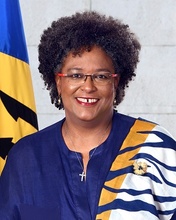
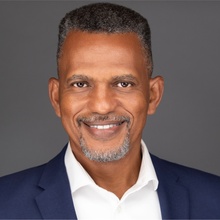
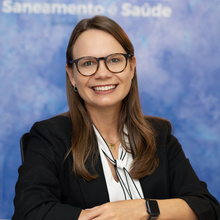
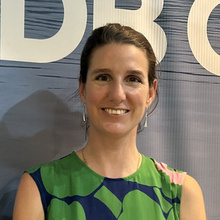
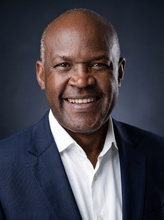
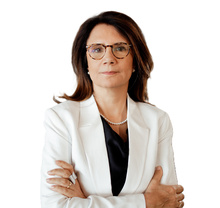
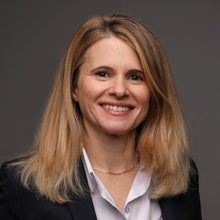
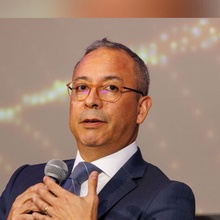
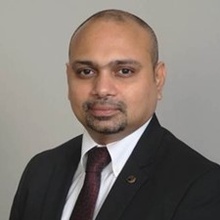
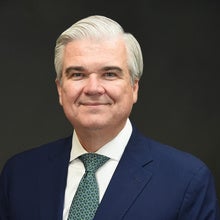
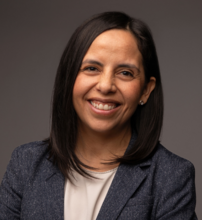
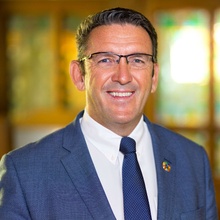
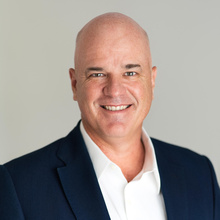
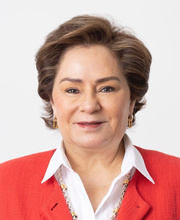
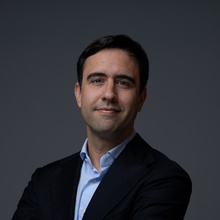
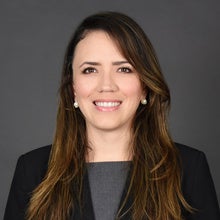
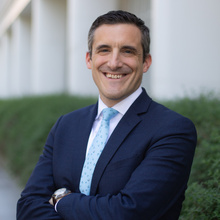
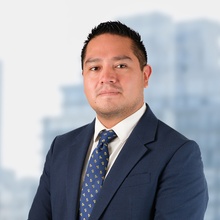
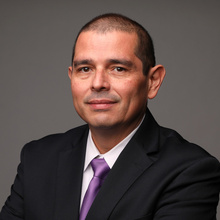
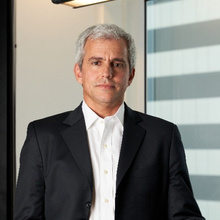
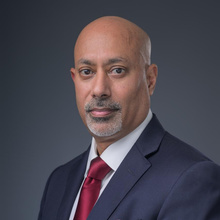
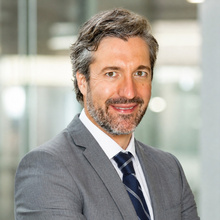
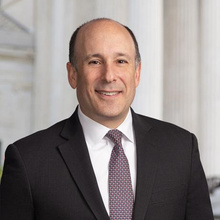
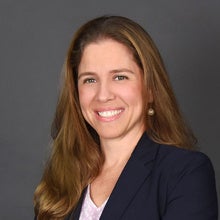
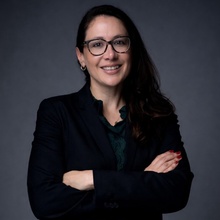
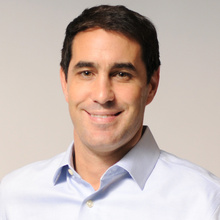
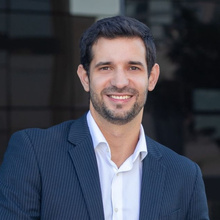
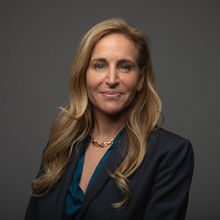
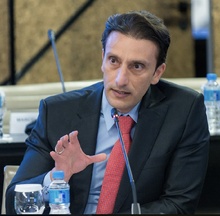
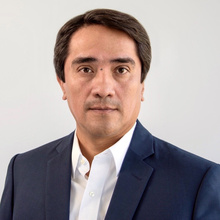
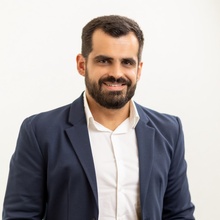
Speakers












































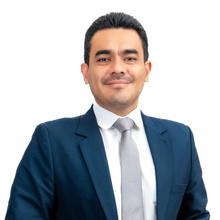

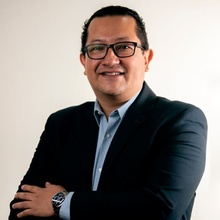





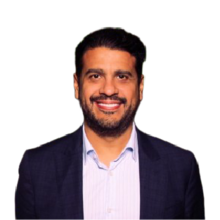
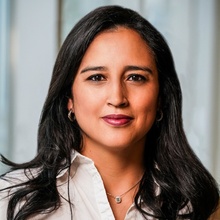
























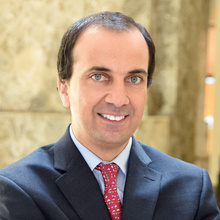


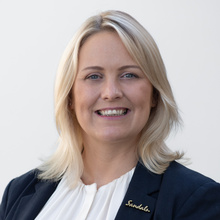








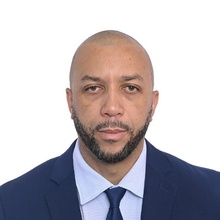
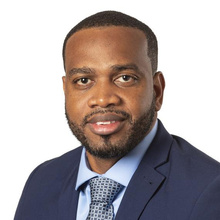




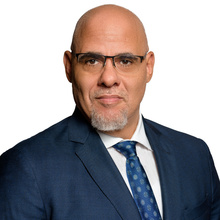


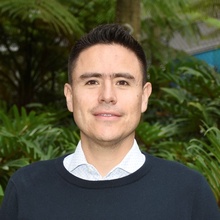


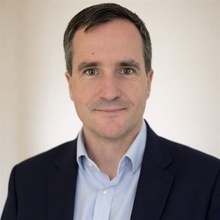
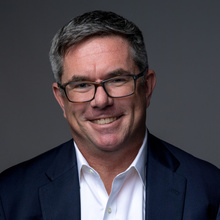































































Agenda
Sustainability Week 2026 will explore five transformative themes that are critical to sustainable development across Latin America and the Caribbean.
Select your sessions by ticking the star (☆). Then, click on "Generate my SW26 Agenda" for a personalized PDF.



This strategic conversation will explore how the Caribbean is evolving as a platform for private sector growth, investment, and regional business expansion.
Bringing together leaders from across the region’s business and infrastructure sectors, the discussion will examine what is changing on the ground across Caribbean economies, the realities of scaling businesses across fragmented markets, and the role of infrastructure, energy, connectivity, and regional integration in supporting long-term competitiveness.
The conversation will also explore what still needs to happen for the Caribbean to attract greater private investment and strengthen its position as a more connected, investable, and resilient economic region.

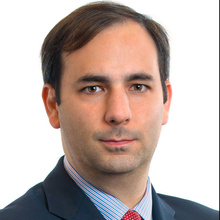
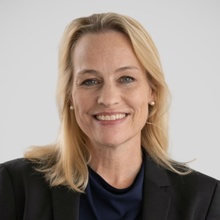
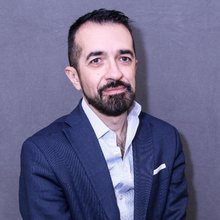
Since its introduction in 2024, Originate-to-Share has evolved from a concept into an operating model—delivering measurable results in mobilizing private capital for sustainable development across Latin America and the Caribbean.
This session takes stock of that progress and explores how the approach is now being deployed at scale to connect regional development priorities with global capital markets.
The discussion will focus on how assets are being originated, structured, and shared to crowd in private investment through mobilization, blended finance, and innovative risk-sharing mechanisms. Panelists will highlight concrete examples where Originate-to -Share has enabled bankable solutions, accelerated capital deployment, and aligned financial returns with sustainability outcomes.
The session will also look ahead to the next phase of the model, examining how it can be further scaled to meet the region’s growing investment needs.




Ensuring sustainability in critical mineral supply chains requires a combination of advanced technology, governance and collaborative partnerships. The panel will cover how can the region compete globally while ensuring lasting environmental and social benefits.







Under the Ready and Resilient Americas impact program, this panel brings together key actors and partners of the Ready and Resilient Enterprises initiative to highlight why strengthening private‑sector disaster risk management is critical for Latin America and the Caribbean. As shocks disrupt operations, supply chains, and financial performance, the private sector plays a central role in preparedness, response, and recovery.
Panelists will showcase practical digital right management (DRM) solutions and tools—ranging from risk management capabilities and data‑driven decision‑making to innovative financial instruments and response mechanisms—and discuss how public‑private collaboration can accelerate their adoption and scale. The discussion will focus on concrete needs, gaps, and opportunities faced by companies across sectors, as well as the role of partnerships in mobilizing capital, aligning incentives, and enabling faster recovery after shocks.
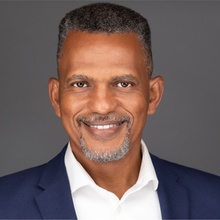


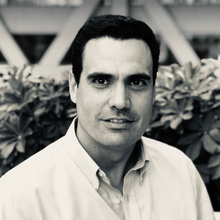



For the 10 most severe hurricanes, Caribbean countries experience an average 10% increase in public debt compared to pre-storm trends. Debt swaps for resilience are a way in which countries with limited fiscal space can release new funds for resilience and adaptation without generating additional debt burdens.
To increase the size and quantity of debt swaps we need to bring in new guarantors, including non-traditional debt swap guarantors, like private insurers and have swaps with multiple guarantors. This panel will discuss practical credit enhancement mechanisms to help reduce fiscal burden and deliver resilience related impact at scale and the key benefits of the Caribbean Multi-Guarantor Debt for Resilience Initiative, recently launched by the IDB, CAF and CDB.
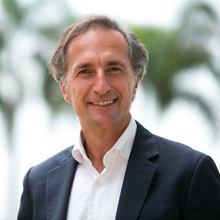




The session will focus on practical approaches to integrating social, environmental, and governance good practices into project design—translating sustainability commitments into bankable, risk-adjusted solutions.
Panelists will examine cross-sector benefit-sharing models that allocate a portion of project value to host communities, including displaced populations and those foregoing access to land or natural resources.
The session will highlight how these approaches can de-risk investments, strengthen social license to operate, and enhance development outcomes, while remaining aligned with sector-specific and national frameworks.
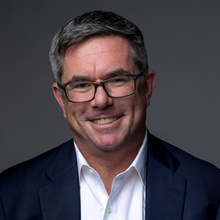





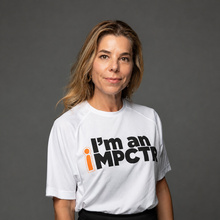



Securitization offers a powerful but underutilized tool for channeling private capital into development priorities, from affordable housing to lending for small businesses and infrastructure. This session explores how issuers in the region can design structured transactions that meet investor expectations while delivering measurable impact, and what regulatory and market conditions are needed to scale these instruments.
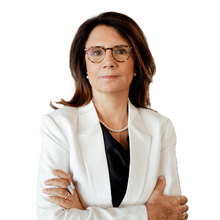
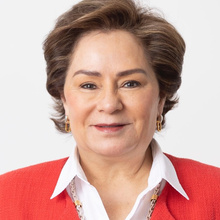
The discussion will focus on sustainable finance, highlighting innovative financial mechanisms and the critical role of the private sector in scaling financing across the region to support sustainable development.

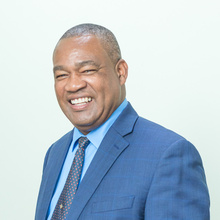
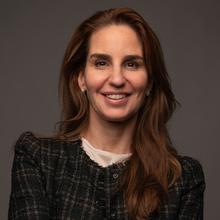
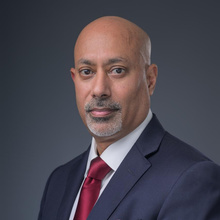
Disruption today takes many forms: market volatility, regulatory shifts, technological change, and evolving stakeholder expectations. In high-impact sectors, these pressures converge at the board level.
This session brings together directors to examine how boards are redefining their role in environments marked by uncertainty and consequence.
The discussion will center on the decisions that shape outcomes: overseeing strategy under shifting assumptions, balancing speed with sound controls, addressing social and enviromental policies and operational risks, and aligning incentives with long-term value creation.
Through concrete boardroom experience, panelists will share how governance structures and behaviors evolve when the stakes are high.
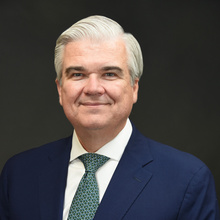

When we talk about sustainability in development finance, the conversation often starts with assets — highly developmental projects, social infrastructure, sustainability finance. But from a CFO perspective, that’s only half the story.



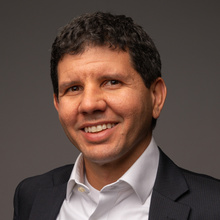
The session will examine how micro-insurance and parametric insurance mechanisms are drivers for resilience. Also, it will discuss product innovation, distribution channels, and the role of insurance in building resilience and financial health.

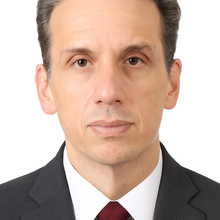

The conversation will showcase best practices and technologies and disasters risk management. It will also explain how risk dimension is linked to new business opportunities to scale resilient portfolios, improve competitiveness and building more competitive performance.



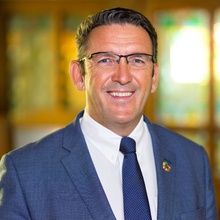
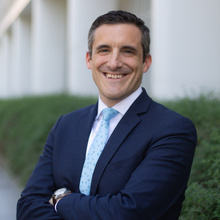
A discussion on how blended finance translates ambition into practical action, bridging the gap between concept, capital, and execution, and enabling scalable investment solutions in climate, resilience, and sustainable development.


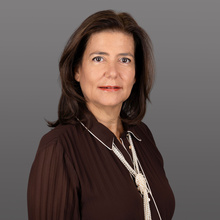
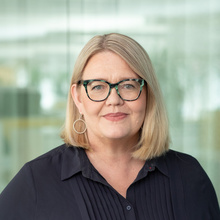

This panel brings together senior leaders from fund investments to explore how they are delivering measurable non-financial value alongside competitive returns. The conversation will highlight the link between strong environmental and social performance, risk management, resilience, and long-term financial value—offering practical insights for investors seeking impact-driven capital deployment.
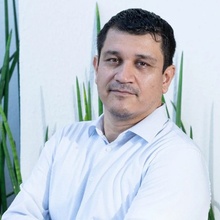


This panel will explore how Caribbean private sector companies are using/could use nature-based solutions (NbS) as practical tools to manage risks, strengthen project resilience, and improve access to finance.



For investors, the more fundamental question is: what makes a country investable over the long term? The answer starts with fiscal strength.
This session frames fiscal sustainability as a core enabler of private investment. Strong fiscal frameworks reduce uncertainty, stabilize the operating environment, and directly influence risk pricing, capital allocation, and long-term returns. Without them, even the most innovative financial instruments struggle to scale or deliver lasting impact.
Bringing together perspectives across insurance, asset management, infrastructure, and capital markets, the panel will explore three key dimensions:
- Lowering risk, unlocking capital: How credible fiscal policies and disciplined debt management reduce country risk and create more predictable investment environments.Integrating climate and risk into the balance sheet: How governments are embedding climate and disaster risks into fiscal planning, reducing surprises that can disrupt markets and investments.
- From counterparty to partner: How stronger fiscal institutions enable governments to engage in the private sector more effectively (through infrastructure pipelines, risk-sharing mechanisms, and deeper capital markets).
- For private sector participants, fiscal sustainability is not an abstract concept, it directly affects returns, pricing, and portfolio exposure.
This session provides a practical, forward-looking discussion on how to assess fiscal credibility, where opportunities are emerging in the region, and what reforms can unlock greater private capital participation.


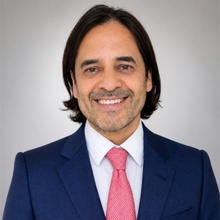
Policy and regulatory reforms play a decisive role in improving resource mobilization — attracting and efficiently deploying public finance, private investment, and concessional capital — across the electricity sector. Well-designed reforms reduce risk, improve cash flow, and strengthen institutional credibility, all of which are prerequisites for mobilizing large-scale capital in capital‑intensive power systems.
This session will present how the public- and private-sector arms of the IDB Group worked together on upstream reforms to open up the sector for competitive private investment, coupled with the financing power of IDB Invest. This includes the IDB’s work to enable reform via dialogue and policy-financing instruments and IDB Invest’s ample suite of financing products for the private sector.


Latin America's energy diversification is being held back not by a lack of generation, but by the limitations of the grids that carry it.
Grid Enhancing Technologies (GETs) — from advanced power flow control to dynamic line rating and topology optimization — offer a cost-effective, rapidly deployable path to dramatically increase transmission capacity without waiting years for new infrastructure.
This session will explore how GETs are being applied across the region, what regulatory and financing barriers still stand in the way, and how private investors and development finance institutions can work together to accelerate their adoption at scale.
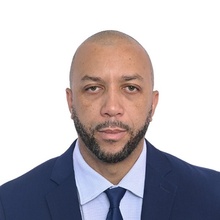


This session will explore how blended finance instruments can unlock private capital at scale for energy diversification in emerging markets, addressing risks across the project lifecycle.


Infrastructure investors in Latin America and the Caribbean face growing physical climate risks that directly impact asset performance, cash flows, and returns. Yet resilience is still often seen as a cost rather than a value driver. This session, based on the joint IDB Invest–ICF guide, will explore how investors can translate climate risks into financial metrics and integrate adaptation into investment decisions. It will highlight how targeted resilience measures can reduce losses, stabilize revenues, and improve bankability, supported by practical tools and real-world examples from across the region.

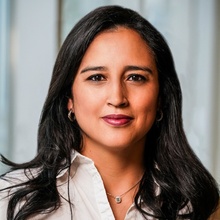
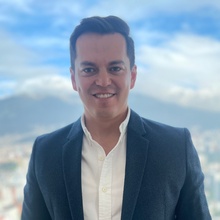
Ecuador awarded 12 energy projects totaling 800 MW to private developers, but challenges related to payment risk among public electricity distributors slowed progress across the pipeline, putting more than $1 billion in potential energy investment on hold.
This session highlights how a targeted liquidity guarantee mechanism helped address these constraints — the outcome of close collaboration between IDB, IDB Invest, and the Global Energy Alliance for People and Planet (GEAPP), whose funding enabled the necessary technical assistance.
Together, the partners designed and structured a solution that helped transform a constrained market into a bankable pipeline, offering lessons for other markets across Latin America and the Caribbean where offtaker risk remains a barrier to energy investment.
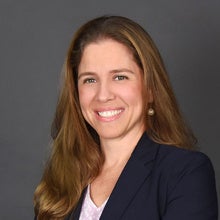

This session explores how Agri-Tech and precision farming are no longer just "nice-to-have" innovations but are the fundamental drivers of business resilience.
By integrating AI-driven irrigation, biological inputs, and blockchain traceability, producers are reducing operational costs and de-risking their yields.
We will examine how tech-enabled solutions are becoming a "license to operate" in global markets and how IDB Invest is bridging the gap between innovative proof-of-concepts and bankable, corporate-scale technology programs.

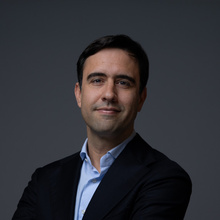
Practical and scalable solutions that producers, investors and industry players are implementing. A conversation focused on concrete tools, business models, and partnerships that are driving food security in the region.
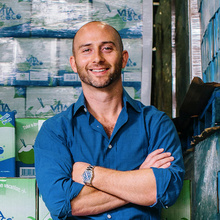

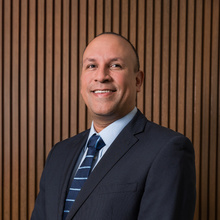

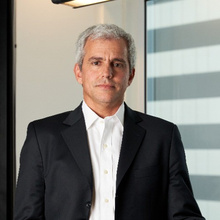
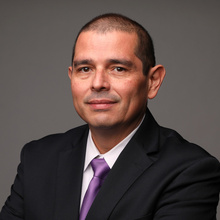
All the countries in Latin America and the Caribbean (LAC) require foreign direct investment (FDI). Also, sustainable value chains require more than demand—they require the right infrastructure to grow and scale. Industrial parks are emerging as a critical link in enabling this transition, providing the physical, logistical, and regulatory ecosystem needed to connect producers, manufacturers, and markets.
This session will explore how the development and modernization of industrial parks can accelerate the creation of sustainable supply chains across Latin America and the Caribbean. By bringing together infrastructure developers, private sector leaders, and investors, the conversation will focus on how industrial parks can strengthen regional integration, support nearshoring dynamics, and provide the backbone for businesses to scale sustainably.




As sustainability becomes central to business strategy, organizations look to demonstrate not just intentions, but real results. This panel will explore how measuring impact—through impact evaluations and other data-driven tools—helps companies and banks inform decision-making, strengthen risk management, support innovation, and align sustainability goals with long-term business value.


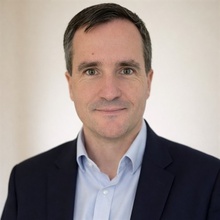

The conversation will explore the biggest barriers that micro, small and medium entreprises (MSMEs) are facing and actionable pathways to solve them. Discover how private sector innovation—including digital, embedded, and non-financial services—can boost MSME competitiveness, resilience, and access to capital in value chains.





This session will explore how corporate governance codes are applied in practice. It is intended as a peer exchange on lessons learned, early signals, and how governance frameworks can support competitiveness and investor confidence in small and mid-sized markets.


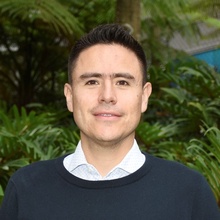
This panel explores how companies can move beyond commitments to scale what works—unlocking talent, expanding access to capital, and strengthening leadership pipelines. Drawing on real business practices, it will highlight how leadership and ecosystem approaches enable full participation and drive productivity, resilience, and long-term growth.



Building deep public trust, enhancing reputation, and fostering loyalty through transparent communication of performance metrics, values, and accountability can strengthen customer relationships, attract ethical talent, reduce risks, and humanize brands. This session will discuss solutions to improve transparency and stakeholder engagement, and provide a comparative advantage in doing business.
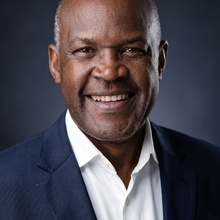

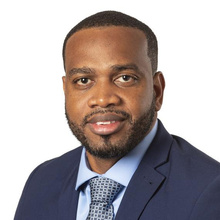

Tourism-dependent economies, particularly in the Caribbean, face climate risks—from hurricanes and coastal erosion to water scarcity and ecosystem degradation. Yet resort-based tourism infrastructure remains one of the largest private sector investments in many island economies.
This event will explore how financial institutions, governments, and tourism developers can collaborate to strengthen resilience across resort-based tourism investments.
Through an interactive dialogue, participants will examine:
- How climate risk is reshaping tourism investment decisions
- Financing solutions for resilient tourism infrastructure
- The role of disaster risk management frameworks in protecting tourism assets
- Opportunities for blended finance, insurance solutions, and resilience-linked investments
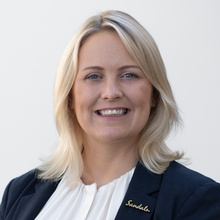
As one of the Caribbean’s most powerful engines of economic growth, tourism holds enormous potential for community prosperity. This session examines how communities, investors, and local authorities can collaborate in practical, tangible ways to design, finance, and manage tourism models that deliver long-term value and development.
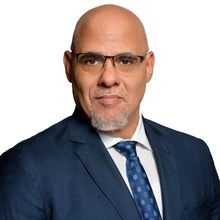


This fireside chat will explore how innovative financial mechanisms can support social programs aimed at reducing violence and strengthening community resilience.
The conversation will focus on Jamaica’s experience with the Jamaica Social Stock Exchange (JSSE) and its support for initiatives like Project STAR, which seeks to address the social drivers of crime through targeted community interventions.
The discussion will examine how capital markets, private investors, and governments can work together to finance social impact programs and what lessons this experience offers for scaling innovative financing models across the Caribbean.
By highlighting Jamaica’s approach, the session will demonstrate how aligning financial returns with social outcomes can create sustainable pathways for funding programs that strengthen citizen security and social resilience.
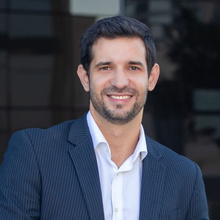
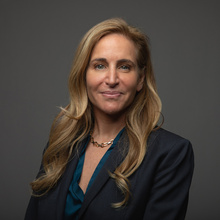
Digital transformation is redefining how financial institutions scale sustainable finance in Latin America and the Caribbean. Fintech solutions, alternative data, and artificial intelligence are helping banks integrate environmental and social considerations into credit origination, risk assessment, and portfolio management while expanding access to finance. This session will explore how digital tools are strengthening impact measurement and traceability, improving earmarking, tracking the use of funds, and enabling more robust reporting for investors and regulators. The discussion will also examine what it takes to scale these models, including the role of financing, regulation, guarantees, and technical assistance.



Explore how capital markets are advancing sustainability through thematic bonds. Learn about issuance, investor demand, and the role of capital markets in blue, social, biodiversity bonds. Green, social, and sustainability-linked bonds have gained traction across the region, yet issuance volumes remain a fraction of global totals. This session examines what it takes to build a deeper, more liquid thematic bond market — from strengthening verification frameworks and standardizing labeling to attracting institutional investors and measuring real-world outcomes.





Local currency financing is essential for the private sector in the Region. The panel will discuss opportunities and challenges in scaling local currency solutions from the perspective of market practitioners.
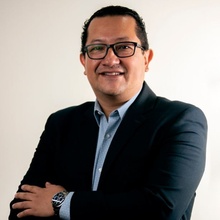
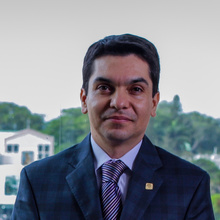

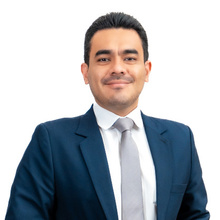
This panel will discuss innovative approaches to financing sustainable projects, highlighting best practices and lessons learned from structuring Brazil's first biodiversity bond, the first "Amazon Bond", and Central America's initial two blue bonds. It will also address essential factors for scaling finance of these projects within the private banking sector.
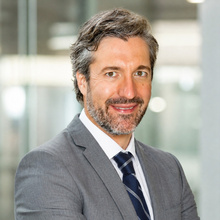

Fintech ecosystems are improving financial health through innovative digital transformation solutions across the entire financial value chain, from understanding customers to designing products, onboarding users, enabling transactions, and providing customer support.
We will explore how alternative data, analytics, instant payments, and open‑API ecosystems can expand credit and savings for groups with less access while strengthening user experience and efficiency.
We will also address the difficult issues of digital literacy, trust, cybersecurity, and regulatory readiness so digital transformation can advance development and resilience in LAC.

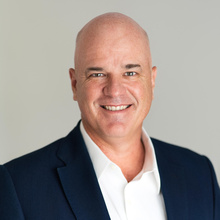
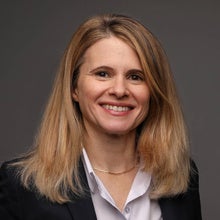
Private equity and alternative finance hold real potential for development across the Caribbean, yet mobilizing private capital in these markets comes with a distinct set of challenges. This conversation explores what it actually takes to mobilize capital in markets that are actively building their capital market infrastructure, and what those lessons reveal for similar contexts across Latin America and the Caribbean.

Most projects are won or lost long before financial close: at the pre-feasibility and feasibility stages. Here is where engineering, cash flow logic, and resilience assumptions are first locked in. Yet, this upstream work remains chronically underfunded. Using the Caribbean as a case in point, this fireside chat explores how to finance early-stage studies and embed the technical concepts that determine a project’s long-term performance while there is still time to shape them, rather than retrofit them once the term sheet is already on the table.



This panel explores how the Caribbean can turn its scale into strength—leveraging governance, policy coordination, and innovation to make regional integration a competitive advantage. By acting more cohesively across markets, countries can reduce friction, accelerate execution, and unlock investment into bankable, cross-border opportunities. It will highlight how the region’s small size enables agility, faster reform, and scalable solutions, positioning the Caribbean as a more attractive, unified platform for private capital.
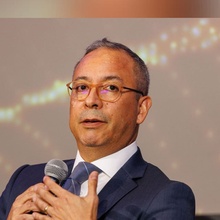

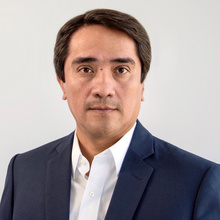
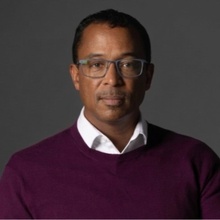
Sustainability in transport in Latin America and the Caribbean has traditionally been framed around resilience—an urgent priority given the region’s exposure to extreme weather. This panel shifts the focus to the next frontier: how sustainability can also become a source of competitive advantage. While still nascent, solutions such as low‑carbon fuels and electrification are beginning to generate tangible benefits—through cost efficiencies, new revenue streams, and stronger positioning with customers increasingly demanding greener services.
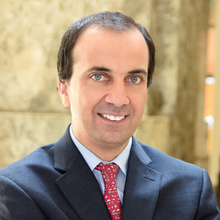

What do sustainable companies need from governments with respect to macroeconomic foundations and sector enablers? The session will cover this question and also revolve around countries that present unique opportunities, such as resource wealth, so that gains from these endowments can bring broad gains along emerging sectors and the population at large. The discussion will highlight institutional solutions to macroeconomic challenges, and solutions offered by IDB Invest to contribute to broader gains of resource wealth and sustained growth.




This session will explore how resilience solutions can be structured as bankable investment opportunities at the transaction and asset level. Panelists will discuss the role of blended finance, insurance solutions, and on-the-ground execution in reducing project risks, strengthening business models, and mobilizing private capital for infrastructure, agriculture, and value chains across Latin America and the Caribbean.
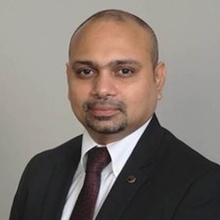



The management and final disposal of urban and industrial waste present significant challenges in Latin América and the Caribbean. Through concrete examples, the panel will explore new sustainable business models related to waste management and valorizaron that are serving as catalysts for attracting private investment to the sector and the role of technology and regulation in this process.



This session convenes leading voices from across Latin America and the Caribbean to confront the decisions shaping the future of AI and digital health in the region. Panelists will examine where AI truly creates value versus where it is overhyped, how to move beyond short-term cost savings toward long-term system resilience, and what role governments and the private sector should play in enabling responsible innovation. The conversation will place equity at the center, exploring how AI can prioritize vulnerable populations, address unmet needs in mental health and non-communicable diseases, and strengthen climate resilience, while tackling the harder questions of accountability, cybersecurity, and trust in AI-driven health systems.
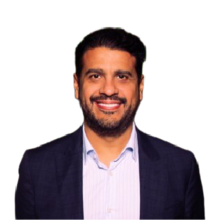
Digitization of the last mile can lower delivery costs and make essential services easier to access by moving transactions, identity, and service delivery to mobile channels. This fireside chat will look at the key elements that make affordability scalable, including interoperable digital payments, data‑driven targeting, and partnerships that reach underserved communities. We will discuss practical ways to deploy solutions while strengthening trust, consumer protection, and accelerate adoption.
As part of Sustainability Week 2026, the IDB Invest Impact Manager Masterclass is a premier training designed to equip you with the knowledge, tools, and strategies to thrive in the evolving investment landscape, and position your team for institutional funding.



This session moves past the family protocol and focuses on the structures that make family governance functional: when and how to create a family council, how it should be composed, and — critically — how it connects to the operating company or group of companies without creating parallel power centers.
Through practical frameworks and illustrations, participants will explore the governance architecture that fits different stages of family business evolution.

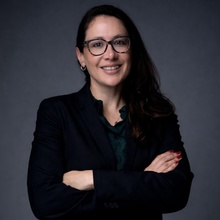
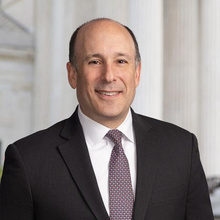
Practical design and implementation of integrity compliance tailored for small and medium-sized enterprises (SMEs).
The discussion will highlight how SMEs can develop right‑sized effective compliance frameworks that match their size, complexity, and operational realities, strengthening resilience, competitiveness, and long‑term sustainability.
Panelists will highlight common challenges SMEs face, share actionable solutions and good practices, and showcase IDB Invest’s experience supporting these efforts, including through capacity building.
Discover how AmazoniaForever360+, the IDB Group’s territorial intelligence platform for Amazonia, can transform the way you understand and use data for decision‑making. The platform brings together more than 140 territorial indicators across eight Amazonian countries, converting complex information into clear, actionable insights through two AI‑powered tools, Report and Grid. Designed for users with no expertise, AmazoniaForever360+ makes territorial intelligence accessible, intuitive, practical and fun.
During this interactive session, you will experience a live demonstration of the platform, learn about its value for analysis and planning, and will be able to register and start exploring the platform in real time.

This course, divided into 7 modules, analyzes the requirements of Performance Standard 1 and establishes guidelines for its practical application. It examines what Environmental and Social Management Systems (ESMS) are and how they can be designed and adopted based on project characteristics; provides recommendations for formulating a practical Environmental and Social Policy; suggests ways to operationalize and monitor the implementation of Environmental and Social Management Programs (ESMPs); presents methods for managing the risks associated with project execution; analyzes some ways to prevent and respond to contingencies and emergencies; examines the capacity and competence requirements of human resources for managing ESMS; and reviews the minimum requirements necessary for community engagement.

This session examines the role of boards and senior management in governing technology, innovation, and artificial intelligence, drawing on insights from IDB Invest’s Technology, Innovation, and AI at Boards (TIAB) initiative and its practical toolkit.
The discussion will focus on the shift from awareness to effective oversight: setting clear guardrails for innovation, aligning technology with strategy, overseeing AI-related risks, and strengthening accountability as digital transformation accelerates.
Grounded in real world experience and informed by regional evidence, the session will highlight what boards and senior management are prioritizing, where challenges persist, and what effective governance of AI looks like in practice.
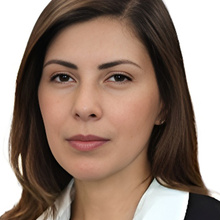



The effectiveness of AML/CFT programs is essential to promote sustainable investment, financial stability, and the mobilization of private capital. Public‑private partnerships (PPPs) enhance information sharing, reduce compliance-related uncertainty, strengthen the effectiveness of countries’ systems for the prevention and fight against money laundering, and reinforce market confidence.
The objectives of this session are: (1) to present a successful model of an AML/CFT partnership in LAC, (2) to explain the benefits for governments and the private sector, and (3) to highlight its relevance for integrity due diligence and risk management in the operations of development finance institutions.

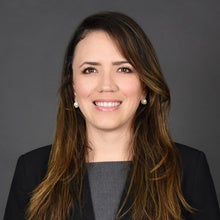
A practical deep dive into blue bonds for both issuers and investors. We’ll cover the fast-evolving landscape of blue guidance, how issuers define eligible activities and exclusions, and how investors assess integrity through governance, KPIs, reporting, and assurance. Using concrete examples from market practice—including IDB Invest’s experience issuing blue bonds under its Sustainable Debt Framework—this session highlights what builds credibility, attracts demand, and supports a scalable pipeline of blue assets.

Investors increasingly rely on a wide range of information when evaluating opportunities, risks, and long-term value. Disclosure practices in the private sector have also evolved, raising questions about how transparency can shape investment decisions.
Panelists will discuss how investors use available information when assessing projects and risks, as well as whether greater disclosure influences capital mobilization toward sustainable investments.
The session will also examine practical challenges related to reporting, comparability, and standardization of information, as well as the balance between transparency and confidentiality.

Practical strategies to strengthen the integration of MSMEs into sustainable supply chains. Discussions will focus on bridging financing and capacity gaps through the strategic use of guarantees, the role of local intermediaries, and the importance of building local capabilities. Particular attention will be given to how intermediaries can facilitate access to finance, technical assistance, and market opportunities at scale.


Present the CARIBEquity Toolkit for Early-Stage Investors, a unique interactive knowledge product tailored to the Caribbean’s nascent innovation ecosystem - and present an implementation model which combines the delivery of knowledge, networking opportunities, and investor capacity building to mobilize capital for Caribbean innovators.


As sustainable finance moves faster and expectations grow higher, impact reporting must evolve —from static disclosures to data that truly informs decisions.
This interactive session equips impact investors and partners with practical insights on market trends, reliable data foundations, and ethical AI —showing how better data turns sustainability intentions into measurable impact.
This session offers a pragmatic look at the internal governance mechanisms that allow State-Owned Enterprises (SOEs) to maintain strategic continuity regardless of changes in government.
From the critical but often overlooked roles of the Corporate Secretary and Board Chairman in managing handovers, to the design of institutional memory systems and transition protocols, participants will leave with concrete tools they can apply immediately.
The session closes with the presentation of the new IDB Invest Corporate Governance Principles for SOEs — a landmark framework for the region.

Expectations of corporate reporting are changing. Sustainability reporting is shifting from largely voluntary disclosures toward mandatory requirements built on shared frameworks that allow regulators, investors and other stakeholders to better assess and compare risk, performance and long-term resilience.
This increases the responsibility on reporting teams to demonstrate greater confidence in their data, processes and claims —often while working with tighter budgets and leaner resources.
When applied well, technology can help organizations meet higher expectations, while also improving efficiency, improving collaboration across teams and strengthening the credibility and reliability of reported information.
In this session, Flag will explore how technology is being used in practice to support modern reporting, including where software, tools and AI can help teams across their reporting processes —from data collection to content development and design, through to assurance.
What you'll learn:
- Why reporting teams are increasingly turning to technology, and what problems it can realistically solve
- How technology can support day‑to‑day reporting work, including data management, drafting, review and design
- The variety of technology options available and the different problems they solve for
- Aspects to think about when introducing or scaling reporting tools, from timing and governance to training and change management
Navigating Sustainability Reporting: Trends, Impact-Risk Linkages, and the GRI Standards in Practice


This session offers a practical introduction to sustainability reporting and its growing strategic relevance for businesses across the region. Participants will explore why sustainability reporting matters today, the role of the Global Reporting Initiative (GRI), and different approaches to materiality including impacts, risks, and opportunities. The discussion will cover the GRI Standards in practice, key concepts such as stakeholder engagement and due diligence, and the growing interoperability with other global frameworks (ISSB, TNFD, ESRS), closing with an interactive Q&A and practical resources to support participants on their reporting journey.
Do you have a project concept that needs support to become investment-ready? This session will introduce the IDB Group’s ONE Caribbean Project Preparation Coordination Mechanism (PPCM) and its offer of support to help governments, regional partners and the private sector move projects from early-stage ideas to bankable, financeable opportunities across the Caribbean. The discussion will focus on the common challenges that delay or prevent projects from reaching financing — including limited project preparation capacity. Participants will learn how the PPCM works with partners to provide technical assistance and project development support to help advance high-impact projects. Participants will gain insights into how stronger project preparation can unlock public, private and PPP investments and accelerate resilient and sustainable development across the Caribbean, as well as practically where to access that support and how.
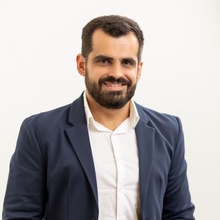

Sustainability has evolved rapidly from a niche consideration into a core pillar of financial decision-making across Latin America and the Caribbean. This session will explore how global frameworks such as IFRS S1 and S2, TNFD and Green Bond Principles are being translated into regulatory requirements across key markets including Brazil, Chile, and Mexico, and a core demand from institutional investors.
Moving beyond theory, the discussion will highlight how these developments are reshaping risk management, capital allocation, and client engagement in the financial sector, ultimately influencing corporate behavior and real-economy outcomes. Participants will gain practical insights into how regulatory convergence can support more resilient portfolios while unlocking measurable positive impact.
.
.
Partners
Institutional Partners






Prime Event Partner
Platinum Partners


Gold Partners




Silver Partners


Bronze Partners





Knowledge Partners


Network Partners












SW26 Knowledge Hub
The Sustainability Week 2026 Knowledge Hub offers resources and tools on sustainable finance in Latin America and the Caribbean. We help businesses meet sustainability goals and make a lasting impact.
IDB Group Initiatives