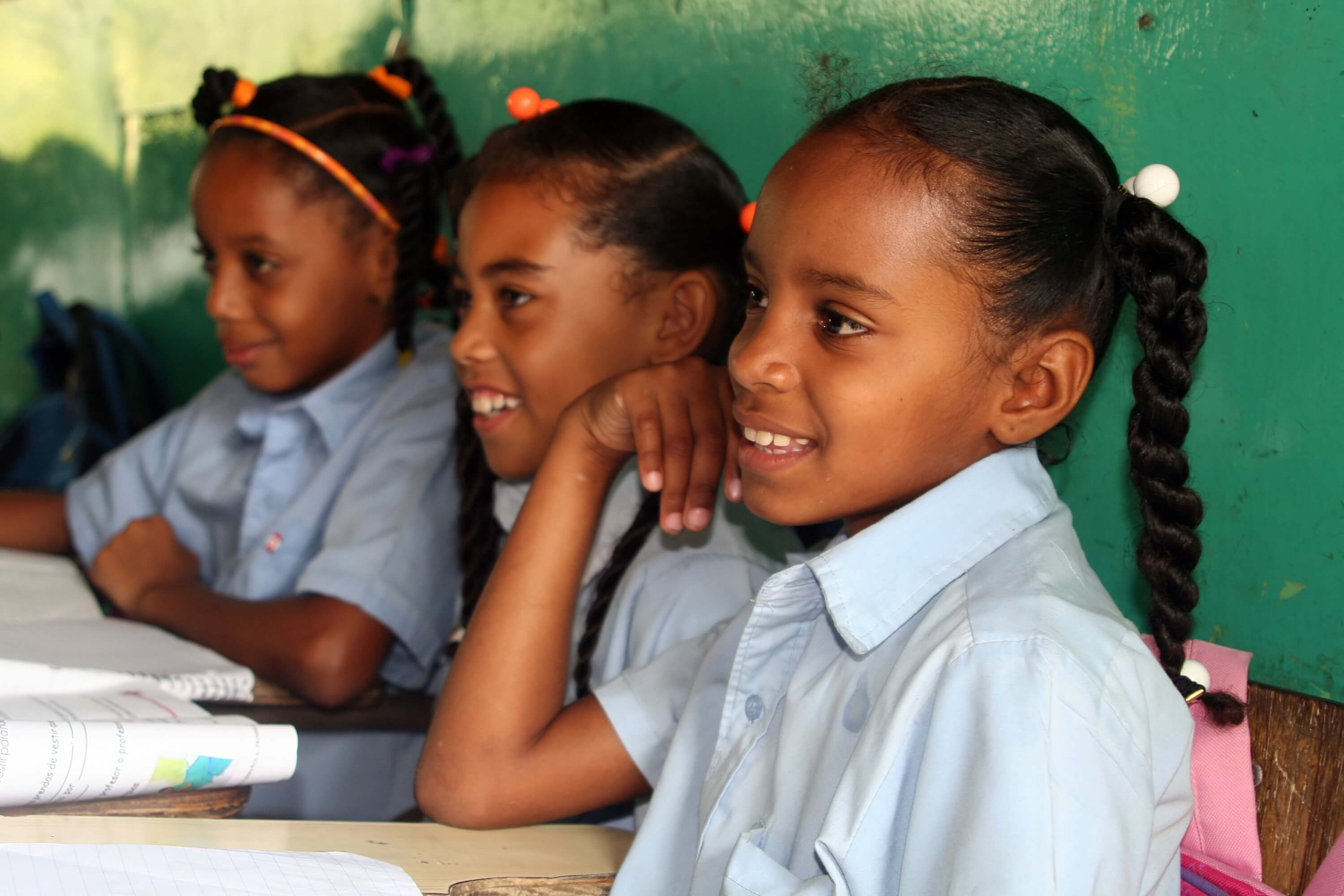
Bioeconomy: Business with a Focus on the Planet
Replacing chemicals and unsustainable materials with bioproducts, extracting forest products like seeds and fruits, or generating bioenergy from agricultural waste are just some practices creating economic opportunities for local communities while protecting ecosystems and improving resident’s lives.

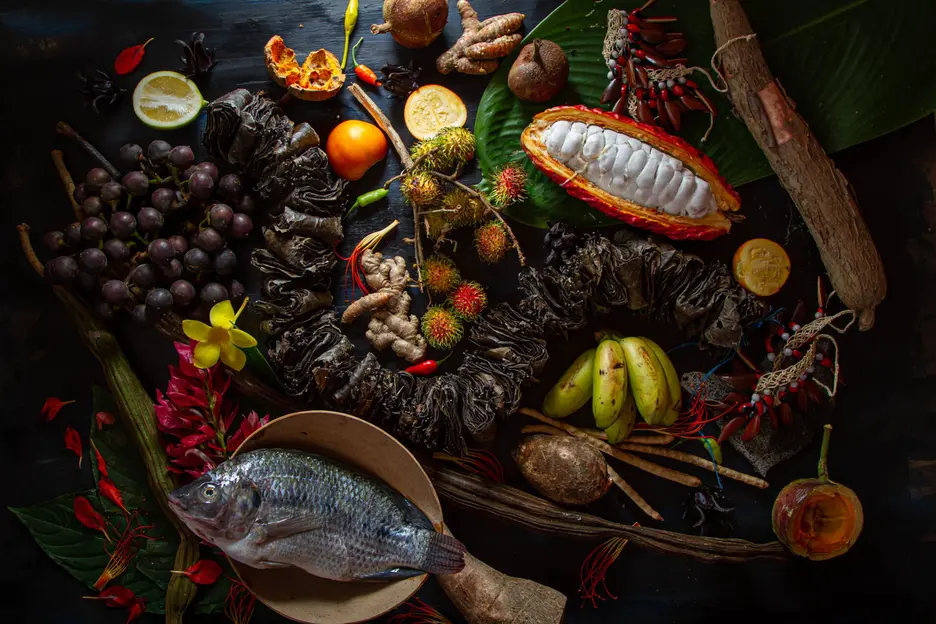
The term bioeconomy has gained prominence in recent years. It refers to focusing on sustainability throughout the entire business chain, by using renewable biological resources, such as plants, animals, microorganisms, and biomass, to sustainably produce food, materials, chemicals, energy, and other goods and services.
But what does this mean for the Amazon?
The Amazon, known as the “lungs of the world,” is a region rich in biodiversity and natural resources. However, it also faces significant challenges, including deforestation and climate change. This is where the bioeconomy can play a crucial role.
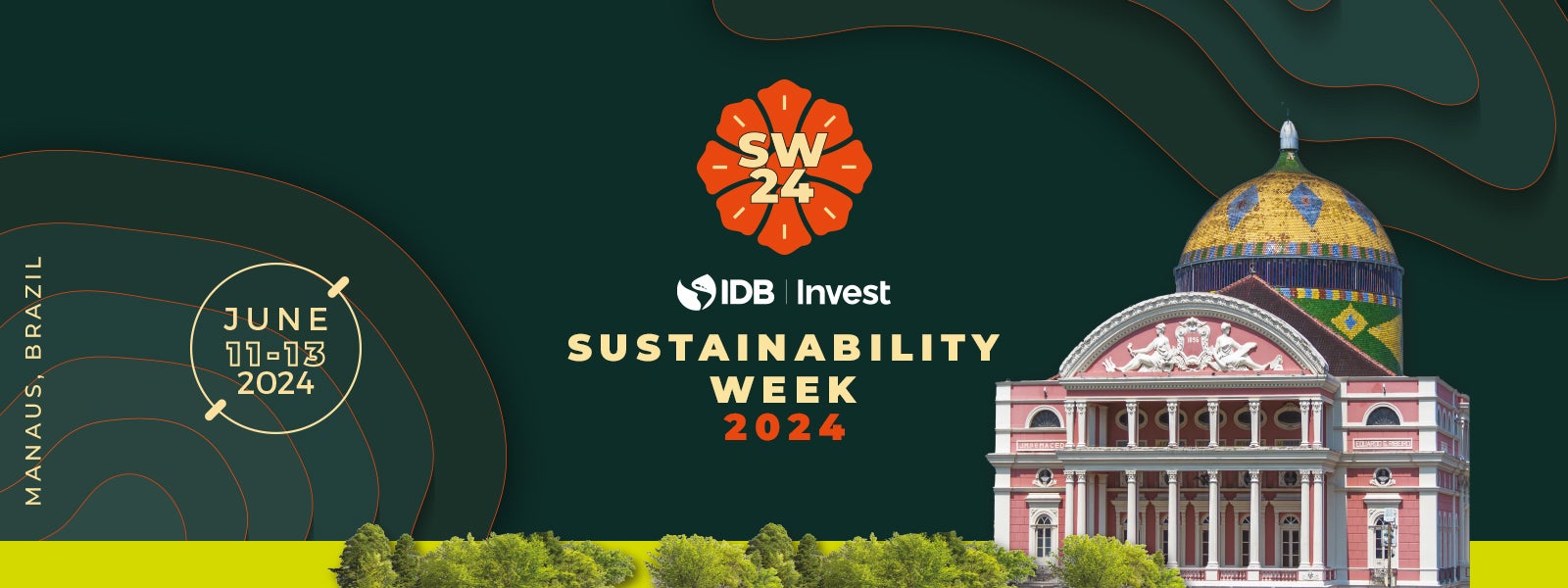
From June 11 to 13, Manaus, at the heart of the Amazon, will become a hub of innovation, collaboration, and inspiration where global and regional leaders gather to discuss sustainable solutions during Sustainability Week 2024 of IDB Invest.
IDB Invest Sustainability Week 2024. Register NOW!
This movement aims to scale impact, elevate efforts, and create real change in Latin America and the Caribbean resonating globally. The event will give renewed impetus to the bioeconomy, with support from the private sector.
One of the most promising aspects of the bioeconomy is its focus on replacing unsustainable materials.
In agriculture, for example, biological pesticides are natural organisms or substances derived from natural materials, including animals, plants, bacteria, fungi, some minerals, their genes or metabolites, or genetic material added to the plant.
Besides biological pesticides, there are macro-organisms used to control pests, commonly known as biological controllers. These include insects, mites, and nematodes that act as pest predators.
These biological products are not only more environmentally friendly, but can also be more effective and profitable.
Much More Than Technology and Products
The private sector plays a crucial role in this aspect. Leading companies in the agricultural machinery sector are investing in technologies that allow for more sustainable and efficient agriculture. This is achieved by developing machinery capable of applying bio-inputs, reducing waste, and improving resource efficiency.
In addition, the bioeconomy also focuses on replacing materials like plastics with more sustainable alternatives. This can include using cardboard or paper or even developing new materials from biological resources.
Related content
For example, biodegradable plastics made from corn or potato starch can decompose much faster than conventional plastics, thus reducing pollution and environmental impact.
Bioenergy is another essential aspect of the bioeconomy. It involves using agricultural waste, such as sugarcane bagasse, to generate heat or even electricity.
Another example is biodigesters, which use bacteria to break down organic waste and produce biogas. This biogas can be used as a renewable energy source, providing a sustainable alternative to fossil fuels.
The private sector and producer associations also play a crucial role. For example, the National Federation of Coffee Growers of Colombia has worked on projects to use coffee processing waste to generate bioenergy.
This provides a source of renewable energy and helps reduce the amount of waste produced.
However, the bioeconomy is not just about technology and products; it is also about people and communities.
New Opportunities for a Better Future
In the Amazon, the bioeconomy can provide new economic opportunities for local communities, helping them maintain their traditional ways of life while participating in a modern and sustainable economy.
The collection and commercialization of non-timber forest products, such as fruits and essential oils, and the implementation of agroforestry systems can increase productivity and provide income without deforestation.
Additionally, developing ecotourism projects based on biodiversity and local culture can attract visitors and create jobs.
Other opportunities include developing biotechnological products based on biodiversity, participating in conservation programs, and paying for ecosystem services. These strategies promote sustainability and improve the quality of life of Amazonian communities.
The bioeconomy offers a path towards a more sustainable future for the Amazon and the world.
Through innovation and collaboration, we can work together to protect this valuable ecosystem while driving economic development and improving the lives of its inhabitants.
IDB Invest Sustainability Week 2024. Click the image below to register:
Authors

Paula Valencia
Paula Valencia is an environmental and social specialist at IDB Invest, based in Washington, D.C. and she leads the agribusiness group within the Environmental, Social and Corporate Governance Division. She is responsible for evaluating environmental and social impacts and risks of agribusiness operations, proposing mitigation measures consistent with international best practices, supervising the performance and sustainability of projects, offering technical assistance to customers and generating knowledge products. She has extensive experience in the public and private sectors of Latin America and the Caribbean, having worked with the IDB Group for more than 19 years, primarily in agribusiness, financial intermediation, and manufacturing projects. Paula is an Industrial Engineer from the Pontificia Universidad Javeriana (Colombia), she has a master's degree in environmental science and policy from Johns Hopkins University (United States) and other studies in agriculture from Cornell University (United States).

João Diniz Abud
João Diniz Abud is an Environmental and Social Lead Officer at IDB Invest in São Paulo, in charge of evaluating environmental and social loan risks, proposing mitigation measures consistent with international best practices, and supervising project performance. He has over 15 years of experience in environmental and social impact studies and assessments for urban developments, infrastructure, mining, wind power, pulp and paper, food production and agribusiness projects in Latin America and Africa. Before joining IDB Invest, he has worked for other multilateral development banks and for some of the major international E&S consultancy companies, where he was responsible for conducting environmental, OHS and social compliance audits across a spectrum of industries. João holds a BSc. (Geography) from the University of Sao Paulo, Brazil, and a M.Sc. in Spatial Planning and Environmental Management from the University of Barcelona, Spain.
LIKE WHAT YOU JUST READ?
Subscribe to our mailing list to stay informed on the latest IDB Invest news, blog posts, upcoming events, and to learn more about specific areas of interest.
SubscribeGender
Related Posts
Digital Innovation Expands Financing for Women-Led SMEs in Latin America and the Caribbean
Loans and disbursements approved in less than 24 hours, enabled by artificial intelligence, and early invoice payments powered by fintech solutions are transforming access to credit for MSMEs, especially those led by women.

Fixing the Broken Rung: How Data Can Help Advance Women’s Careers in Latin America and the Caribbean
In Latin America and the Caribbean (LAC), the greatest disruption in women’s career progression occurs during the transition into managerial roles. A collaboration between IDB Invest and LinkedIn, within the framework of the Development Data Partnership, uses large-scale labor-market data to identify where women’s participation declines and what barriers exist across sectors and career stages.

Addressing gender-based violence from the private sector: the experience of Laboratorios Bagó
Francisco Méndez, CEO of the pharmaceutical company, shares his company's efforts and achievements in fostering an inclusive and safe work environment.