
Sustainable BusinessRecent posts
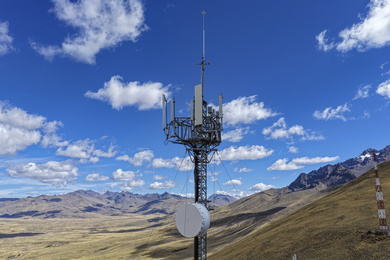
The Towers We Don't See and the Economy We Can't Live Without
IDB Invest finances telecommunications tower infrastructure across Latin America and the Caribbean, helping expand connectivity and support 5G network growth.
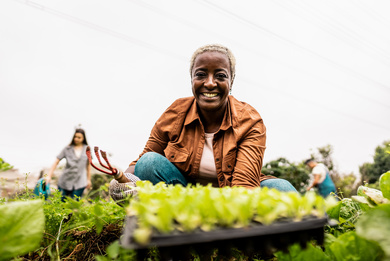
How Santander Brasil and Eco Invest Mobilize Private Capital at Scale
IDB Invest provides financing to Banco Santander Brasil to support sustainable agriculture, land restoration efforts, and resilient infrastructure.

The AI Factory: Latin America's Next Big Industrial Revolution
Latin America’s window to build AI infrastructure at scale is opening, supported by its diverse energy matrix and growing digital demand.
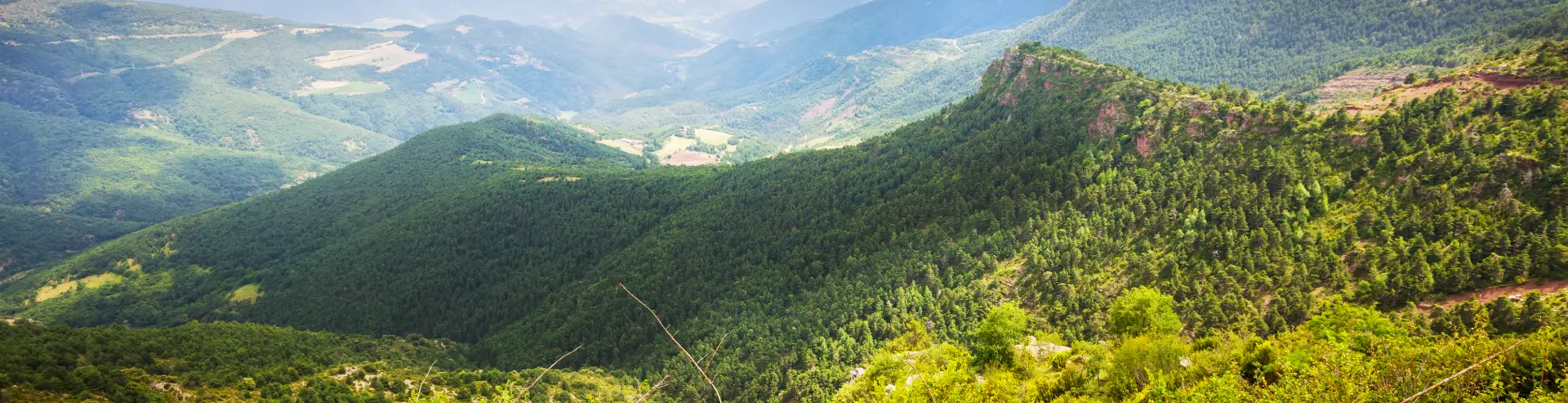
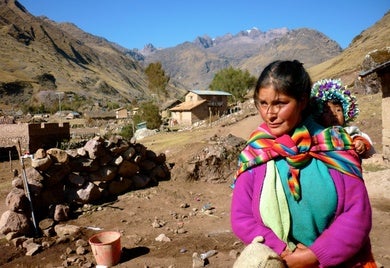
The best of 2015: How to make cultural tourism sustainable
If you want to start a hotel, the normal thing to do is buy some land, build the hotel, hire a few locals for cooking, cleaning and maintenance and open for business.
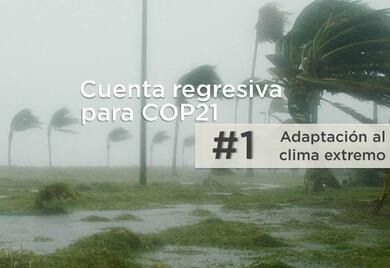
Ports vulnerable to climate change but not to inaction
By Joana Pascual On October 23rd 2015, Hurricane Patricia became the most powerful tropical cyclone ever measured in the Western Hemisphere. Maximum winds reached an unprecedented 200 miles per hour. Early that morning, this Category 5 hurricane was heading towards the Port of Manzanillo in Colima, Mexico. Luckily, the hurricane degraded quickly, and the port experienced no major damage.
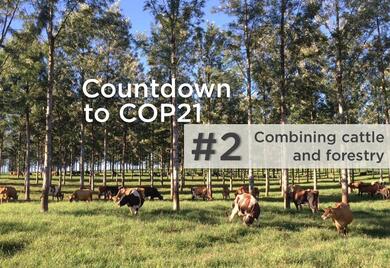
Combining cattle and forestry: five benefits of silvopastoralism
One month ago I was in Paraguay, visiting with cattle producers to study an innovative production system. Even in spring, Paraguay is hot, and I was soon sweating under the intense sun. If I suffer from a twenty minute walk in the sun, how would cows that spend all day outside feel?
5 reasons to rethink biomass in Latin America
With less than a week to go until COP21, governments across the globe make their preparations to achieve an international, legally-binding agreement on climate change. And the progress is apparent. Over 140 countries, including most of Latin America and the Caribbean, have submitted their respective Intended Nationally Determined Contributions (INDCs). These action plans allow governments to communicate internationally where climate actions will take place post-2020. One conclusion so far: clean energy will be fundamental to carbon emission reductions for all governments, including top global carbon emitters. With this is mind, it is important to remember the benefits of an underutilized renewable energy technology: sustainably sourced biomass.
Four transportation projects leading in sustainability
Climate change and transportation have an intimate yet complex relationship. Transport accounts for one-fifth of the world’s energy use and one-quarter of energy-related CO2 emissions, making it a main cause of global warming. On the other hand, climate change can severely affect transportation systems, resulting in shorter project life spans, reduced quality of infrastructure services and increased maintenance and operating costs. These impacts on infrastructure harm the economy as a whole by causing trade and supply chain disruptions and hindering access to markets, schools and health centers.
“One point five to stay alive” - Three ways the Caribbean's private sector can mobilize climate action
One goal of the upcoming Paris negotiations is to limit global temperature rise to two degrees Celsius. The Caribbean is aiming even lower, saying it much achieve, “One point five to stay alive.” The Caribbean loses up to five percent of GDP annually due to natural disasters linked to climate change. Rising sea levels and water temperatures, ocean acidification and extreme weather events disproportionately affect the small, low-lying island nations. For them, closing the gap between climate pledges and climate actions is one way to measure the success of COP21. As ecosystems approach their limits, key business sectors can strengthen their efforts to bridge this crucial divide.
