Sustainable BusinessRecent posts
Not Impact Measurement. Impact.
MDBs are pioneering a new profession for results in a data-rich world. This blog was originally posted by the World Bank on April 21, 2026, by the Heads of Outcome Measurement of Multilateral and Bilateral Development Agencies, including IDB Invest.
The Rules Have Changed: Sustainability Is Now the Price of Entry for Investment in Latin America and the Caribbean
Discover how, at Sustainability Week, May 26–28, private-sector leaders turn resilience into investable, scalable growth.
Does Credit Access Create Jobs? New Evidence from 30 Countries in Latin America and the Caribbean
A new IDB Invest study measures how $1 million in credit translates into new jobs for MSMEs across the region.
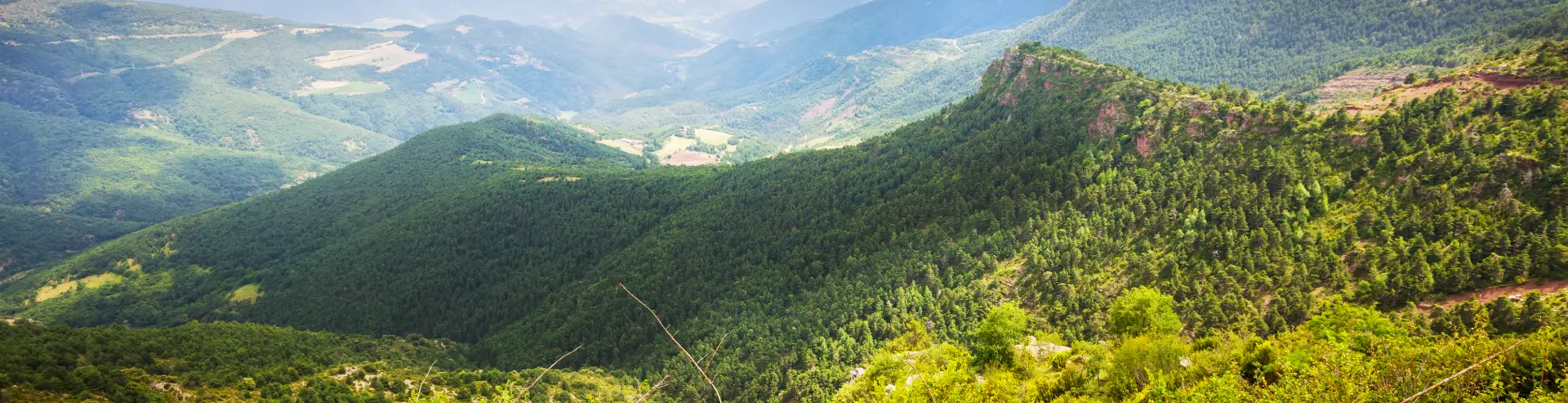
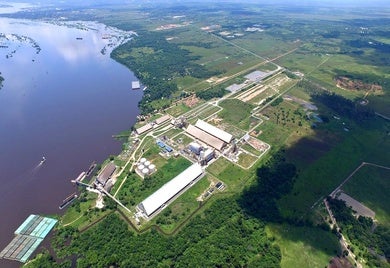
Soy: Paraguay’s “Green Gold”
This is the story of a small seed from Asia that has transformed the economy of a country in the heart of South America. Soy, a legume brought to Paraguay in the 50’s by immigrants from Japan, is today the country's main export product.
Three trends to impact business in 2017
The year 2016 marked a time of new beginnings, rapid changes and uncertainty. This is especially true in Latin America and the Caribbean’s private sector. Looking back, we see three trends that impacted the year and will define what is to come.
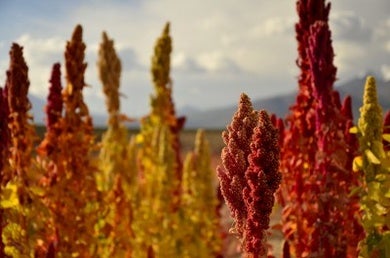
The best of 2015: Quinoa a super-food and super-solution to food security
Two years ago, the Food and Agriculture Organization (FAO) declared 2013 theInternational Year of Quinoa. Before then, it was scarcely found outside of colorful Andean marketplaces except at boutique shops in the U.S. and Europe. Now, many international food companies are embracing quinoa and exporting this super-food from Andean countries like Bolivia, Peru and Ecuador.
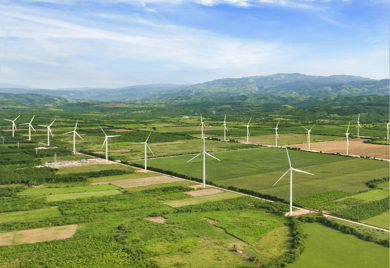
Infrastructure 360º Awards: promoting best practices in sustainable infrastructure
* By Ana María Vidaurre-Roche A sustainable approach to project design has allowed a metro line in Peru to reduce greenhouse gas emissions up to 80% above what regulations require. The line connects 11 districts across Lima and improves access and mobility, increasing the city’s productivity level by reducing commuting times by almost four times. The project has created meaningful actions that go beyond its immediate business: engaging community groups in cultural and reforestation programs to enhance public space, and helping address other visible problems such as social insecurity, youth unemployment, traffic chaos, and pollution. In the Dominican Republic, a wind farm project driven by a sustainable strategy provided an agrarian, low-income region with power and brought added value to the communities through educational and social programs, rehabilitation of community assets, and support of local businesses.
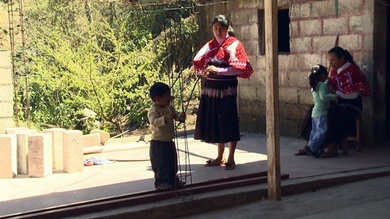
What good is capital without customers? Financial inclusion is necessary for healthy societies
*By: Tomas Miller The financial inclusion strategies that several countries in Latin America and the Caribbean are adopting and incorporating into their national development policies aim at increasing access to and use of financial services for segments of the population that have been excluded or underserved by financial systems. These policies assume that achieving a higher level of financial inclusion is a necessary condition for increasing the social inclusion of these excluded people. What good is having a solvent and liquid financial system if it serves only businesses and powerful families? What good is capital without customers?

How To Export In 7 Steps
*By: Antonello Bove Many a business reaches the point where it outgrows its market. The company has a solid, sought-after product, but finds that it will not be able to sell much more in its current market, be it because it already supplies the whole market or because stiff competition means it has to look elsewhere to continue growing.
