
Wish there were more hours in the day? Distance learning can maximize time and earning potential

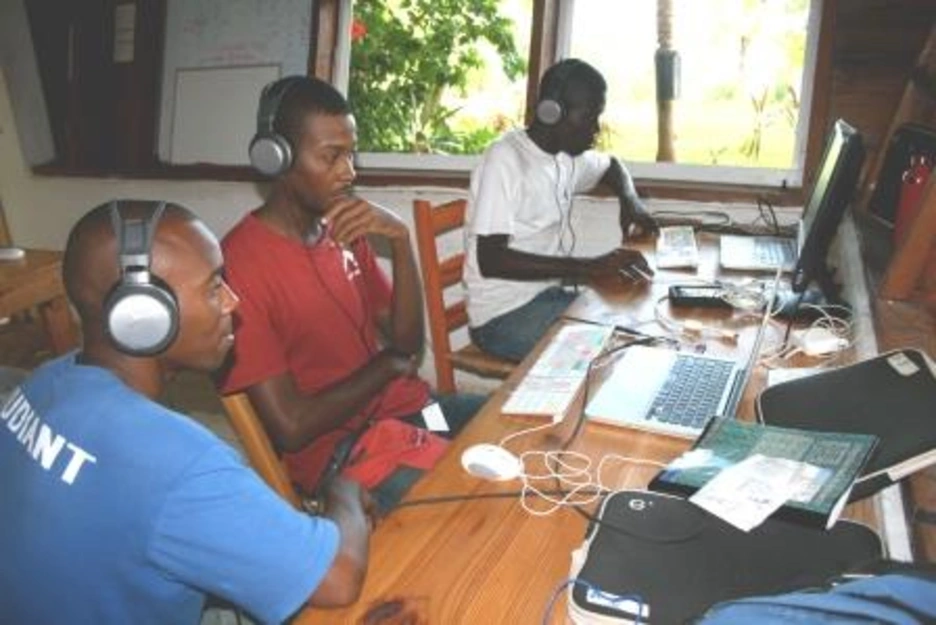
The high rates of return on investment to students in higher education is an expected wage increase between 1.5 - 2.5x.

According to an IDB study, the returns on investing in one year of higher education (measured as the income differential between people with higher education and those with secondary education) is greater than the differential obtained from completing one year of primary school or one year of secondary school. One year of higher education generates an increase in expected personal income of 17% while the figures for primary and secondary education are 7.4% and 9.5%, respectively. That is to say, higher education investments make business sense for private investors as well as governments. In addition to improving average income, individuals with a higher education degree are more likely to be employed in formal sector jobs.
However, there is the concern of “garage courses” or poor quality on-line degrees that could waste money without yielding results. Most accredited universities that offer distance learning components have accreditation quality standards to cover such components. Many country-level regulators also review courses.
Knowing this might motivate young adults to think or prioritize differently. However, for those with few means, living close to campus and/or being a full-time student is not an option. Long, difficult commutes, the demands of balancing work and school or the demands of studying as a parent are intense. Distance learning has helped bridge this gap and allows students to get a degree while managing life. Many universities are incorporating online components into classes or offering portions or all of classes virtually. Students can now work on teams remotely, saving time and money in commuting. Students have more flexibility with distance learning components to balance work and study as well as family needs.
Do you know of any strong distance learning programs? Do you think distance learning offers more benefits than risks? As the IDB Group private sector contemplates supporting such quality higher educations models, what your thoughts?
Escrito por

Kristin Dacey
Kristin Dacey trabaja como oficial líder de inversiones en Emprenta Impact Investing Fund. Previamente, se desempeñó como oficial senior de inversiones en originación y estructuración de proyectos del sector privado en infraestructura social, principalmente en educación y salud, para el Departamento de Financiamiento Estructurado y Corporativo del BID. Antes de unirse al BID, Kristin trabajó 7 años en GE Capital en especial en líneas de negocio en los EE.UU. y México. Kristin tiene una Maestría en Gestión Global de Thunderbird School of Global Management, un MBA de Arizona State y un B.S. y B.A. de Virginia Tech.
¿TE GUSTA LO QUE ACABAS DE LEER?
Suscríbase a nuestra newsletter para mantenerse informado sobre las últimas noticias de BID Invest, publicaciones de blog, próximos eventos y para obtener más información sobre áreas específicas de interés.
SuscribirseDevelopment Impact
Posts Relacionados

Impulso a las pymes argentinas: financiamiento para capital de trabajo e inversión
BID Invest refuerza el apoyo al sector productivo de Argentina mediante financiamiento a largo plazo e instrumentos de factoraje inverso que permiten anticipar el cobro de facturas y mejorar la liquidez de las empresas.
Tres aprendizajes de nuestro Informe de Impacto 2026
Conoce los resultados de impacto en el desarrollo de la cartera de BID Invest.
WE Finance Code Colombia: datos y alianzas para ampliar el financiamiento a empresas lideradas por mujeres
Las entidades del ecosistema financiero de Colombia unen esfuerzos para ampliar el acceso al crédito de las mujeres empresarias mediante datos, colaboración y soluciones financieras adaptadas a sus necesidades.