
Sustainable BusinessRecent posts
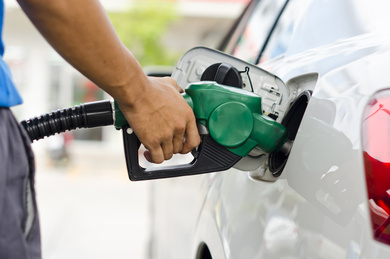
Guatemala Advances in Diversifying Energy Sources for the Transport Sector
IDB Invest supported technical studies that provided evidence for the introduction of a 10% ethanol blend in gasoline in Guatemala.
Making Every Dollar Count: Capital Management for Greater Development Impact
How IDB Invest optimizes its balance sheet to expand investment capacity through its Originate-to-Share model.

The Untapped Opportunity in SME Banking
IDB Invest is helping financial institutions across Latin America and the Caribbean strengthen their SME banking capabilities for long-term growth.
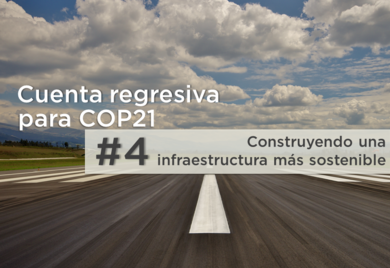
Four transportation projects leading in sustainability
Climate change and transportation have an intimate yet complex relationship. Transport accounts for one-fifth of the world’s energy use and one-quarter of energy-related CO2 emissions, making it a main cause of global warming. On the other hand, climate change can severely affect transportation systems, resulting in shorter project life spans, reduced quality of infrastructure services and increased maintenance and operating costs. These impacts on infrastructure harm the economy as a whole by causing trade and supply chain disruptions and hindering access to markets, schools and health centers.
“One point five to stay alive” - Three ways the Caribbean's private sector can mobilize climate action
One goal of the upcoming Paris negotiations is to limit global temperature rise to two degrees Celsius. The Caribbean is aiming even lower, saying it much achieve, “One point five to stay alive.” The Caribbean loses up to five percent of GDP annually due to natural disasters linked to climate change. Rising sea levels and water temperatures, ocean acidification and extreme weather events disproportionately affect the small, low-lying island nations. For them, closing the gap between climate pledges and climate actions is one way to measure the success of COP21. As ecosystems approach their limits, key business sectors can strengthen their efforts to bridge this crucial divide.
Adaptation matters: the private sector’s role adapting to climate change
At the 21st edition of the annual climate conference (COP 21) in early December, financing commitments by countries will be top on the agenda. Who is paying for what? How much will they pay? And by when will they do so? One major issue of debate in the face of limited resources is how much money should go towards avoiding and reducing GHG emissions – "mitigation" – versus how much should go towards supporting people, businesses and ecosystems to adapt to the effects of climate change.

Every watt matters: Geothermal in Latin America and the Caribbean
[caption id="attachment_2505" align="alignleft" width="440"] Geothermal and COP20[/caption] Latin America and the Caribbean leads the world in renewable energy. Hydropower makes up 60 percent of the generation matrix. Still, there is vast untapped potential for low-carbon energy development. One long-established source of renewable energy that has yet to reach its full potential is geothermal in Latin America and the Caribbean.
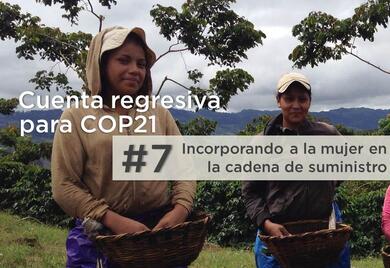
Agribusiness supply chains and climate change: why women matter
By Jimena Serrano and Michaela Seelig Women play a key role in agribusiness supply chains in Latin America. That is why they are essential in the feat to help adapt crops to climate change.
Four reasons to pay attention to the private sector at COP21
The hopes are high for the UN Climate Change Negotiations in Paris at the end of this year. Nothing less than a universal, legally binding agreement to combat climate change is at stake.
