
Three Pillars for Jamaica to Achieve Sustainable Growth

 As the country moves forward, both the public and private sectors will have key roles in defining a new growth path for Jamaica, which in my mind will depend greatly on three pillars: connectivity, expanding business opportunities, and sustainability. Let me explain why.
- Connectivity: In today's globally connected markets, it is not enough to offer great services or sell high value products. The key to success, beyond geographic position, is to develop efficient logistics networks, leveraged through deep partnerships. Connectivity is measured by an economy’s linkages to global markets for goods and services, capital, technology and ideas. Jamaica must prepare for the 21st century by investing in hard and soft infrastructure that boosts its connections with external markets.
- Expanded business opportunities: Expanding business opportunities means creating the conditions for a dynamic business environment, one that can count on access to finance as well as programs that help firms upgrade their skills and increase their competitiveness. Reducing government excessive bureaucracy is central to create these conditions, but is not sufficient. Investment in dynamic SMEs is needed for long-term growth and firm upgrading.
- Sustainability: It is paramount for future growth to be built on sustainable environmental and social practices - both in business and government. Investments in renewable energy and energy efficiency are needed to reduce the impact of volatile fossil fuel prices, while lowering Jamaica’s carbon footprint. More broadly, sustainability encompasses social elements such as: gender equality, youth employment, and improved access to basic services for underserved populations.
 The IDB is a long-standing partner for Jamaica, committed to work with the government and private sector to capitalize on these opportunities. We are investing to increase Jamaica’s connectivity in multiple ways: from exploring long-term financing to upgrade Kingston’s container port to take advantage of the expansion of the Panama Canal and Jamaica’s potential as a regional hub; to using the internet to connect businesses from Jamaica and across the region through our ConnectAmericas platform – the first online community of companies dedicated to international trade and investment.
To boost the expansion of business opportunities, we are supporting the Junior Stock Exchange by helping to expand the range of debt and equity finance for high impact entrepreneurs and develop a credible exit for venture capital investors. We offer a range of credit programs to finance microentreprenuers, small-scale firms and larger corporates as all need a piece of the action.
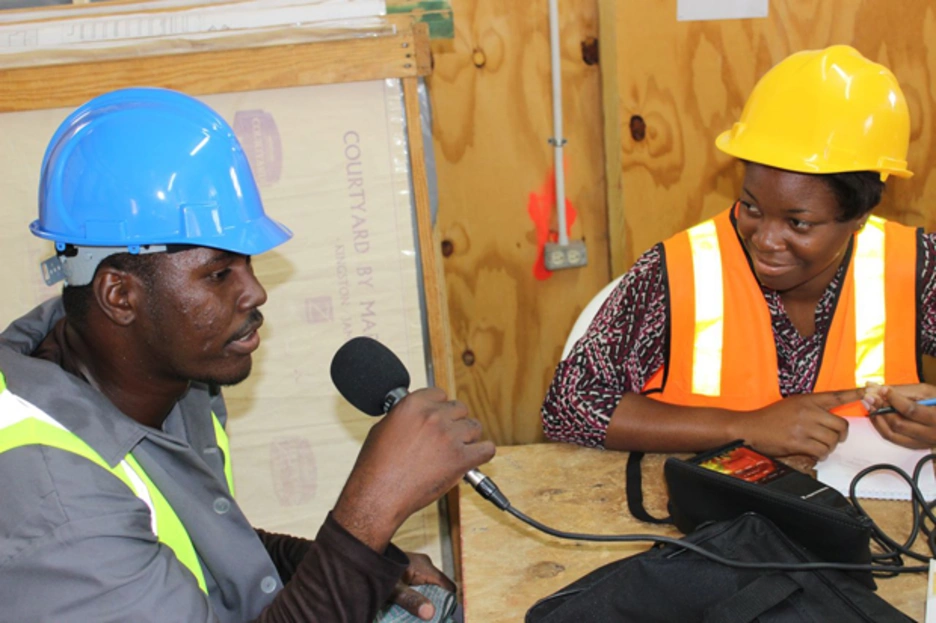
As to sustainability, we are investing in sustainable tourism and industry, for example the Marriot Courtyard in Kingston, where we financed the construction of the first LEED certified building in Jamaica that incorporates green technologies improving the hotel's carbon footprint, while reducing its operational expenses (Video). The IDB also partnered with Marriott and the Jamaican construction firm building the hotel to provide construction jobs for youth from disadvantaged communities, a win-win for the hotel and Jamaican youth.
From my viewpoint, Jamaica is on the move. The many conversations I had during the Jamaica Investment Forum earlier this month revealed a tangible awareness that sustainable and inclusive business is not only necessary but marks the path toward a smarter growth path. From the IDB’s perspective, Jamaica’s economy is ripe for increased private sector investment and sustainable growth.
Escrito por

Hans Schulz
Hans Schulz es asesor independiente de inversiones sostenibles emergentes. Previamente, se desempeñó como vicepresidente interino del Sector Privado y Operaciones sin Garantía Soberana del Banco Interamericano de Desarrollo (BID), y como Gerente General del Departamento de Financiamiento Estructurado y Corporativo, donde supervisaba las operaciones del sector privado del Banco en materia de infraestructura, mercados financieros, industrias y servicios, y salud y educación. Previamente, Hans dirigió el grupo de mercados financieros y condujo la creación del Programa de Facilitación del Financiamiento al Comercio Exterior del BID. También ejerció el cargo de Asesor Senior sobre el Sector Privado al Vice Presidente Ejecutivo del BID. Antes de ingresar al BID, Hans se desempeñó en la Corporación Andina de Fomento (CAF) en Venezuela, la Oficina de la Comisión Económica para América Latina y el Caribe (CEPAL) en Chile, y en WestLB en Alemania. Hans es ciudadano alemán y posee una maestría en economía de Southern Illinois University y licenciaturas en economía y administración y empresas de la Universidad de Marburg en Alemania.
¿TE GUSTA LO QUE ACABAS DE LEER?
Suscríbase a nuestra newsletter para mantenerse informado sobre las últimas noticias de BID Invest, publicaciones de blog, próximos eventos y para obtener más información sobre áreas específicas de interés.
SuscribirseDevelopment Impact
Posts Relacionados

Impulso a las pymes argentinas: financiamiento para capital de trabajo e inversión
BID Invest refuerza el apoyo al sector productivo de Argentina mediante financiamiento a largo plazo e instrumentos de factoraje inverso que permiten anticipar el cobro de facturas y mejorar la liquidez de las empresas.
Tres aprendizajes de nuestro Informe de Impacto 2026
Conoce los resultados de impacto en el desarrollo de la cartera de BID Invest.
WE Finance Code Colombia: datos y alianzas para ampliar el financiamiento a empresas lideradas por mujeres
Las entidades del ecosistema financiero de Colombia unen esfuerzos para ampliar el acceso al crédito de las mujeres empresarias mediante datos, colaboración y soluciones financieras adaptadas a sus necesidades.