
Sustainable BusinessRecent posts
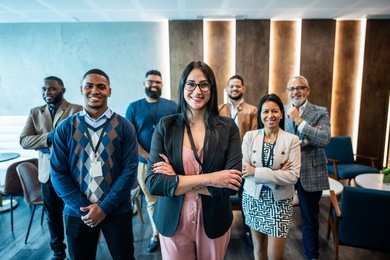
Corporate Governance: Practical Sessions from Family Business to AI Oversight
Strong governance is what turns sustainability goals into results. At Sustainability Week 2026 in Barbados, join free training sessions on family governance, AI oversight, and SOE continuity, available online on May 25.

Not Impact Measurement. Impact.
MDBs are pioneering a new profession for results in a data-rich world. This blog was originally posted by the World Bank on April 21, 2026, by the Heads of Outcome Measurement of Multilateral and Bilateral Development Agencies, including IDB Invest.
The Rules Have Changed: Sustainability Is Now the Price of Entry for Investment in Latin America and the Caribbean
Discover how, at Sustainability Week, May 26–28, private-sector leaders turn resilience into investable, scalable growth.



How to Leverage Green, Social and Sustainable Bonds in Our Region?
Multilateral development banks are playing a major role in the creation and expansion of a green, social and sustainable bond market, known as thematic bonds, in Latin America and the Caribbean. What should investors and clients expect from them?

Protect to Promote: How to Manage Gender Risks
The development finance community is making efforts to move forward on promoting gender equality. Re-framing gender as a risk before suggesting inclusion programs can allow companies to identify tangible ways to support risk management and long-term sustainability.
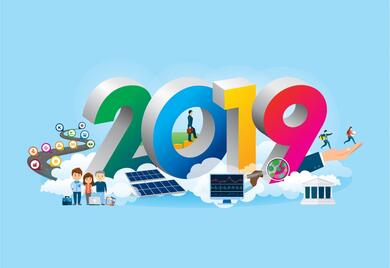
Five Posts to Recap 2019 Ahead of 2020
We’ve selected five articles from the Negocios Sostenibles (Sustainable Business) blog to form a picture of the innovation and challenges that took place this past year. Together, they provide a general viewpoint for 2020 as we begin the year ahead.
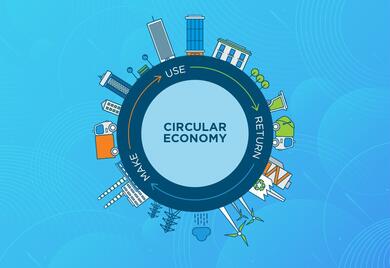
The Case for Unlocking the Circular Economy in Latin America and the Caribbean
Circular economy (CE) presents an opportunity for an inclusive and resource-smart future. It is also a chance for Latin America and the Caribbean to depart from an incremental into a transformative change.
Does Access to Credit Make People Better or Worse Off?
Traditional credit screening approaches are based on qualifications that many low-income applicants do not have: credit histories, collateral, and verifiable income streams. What if these applicants could be assessed differently?
