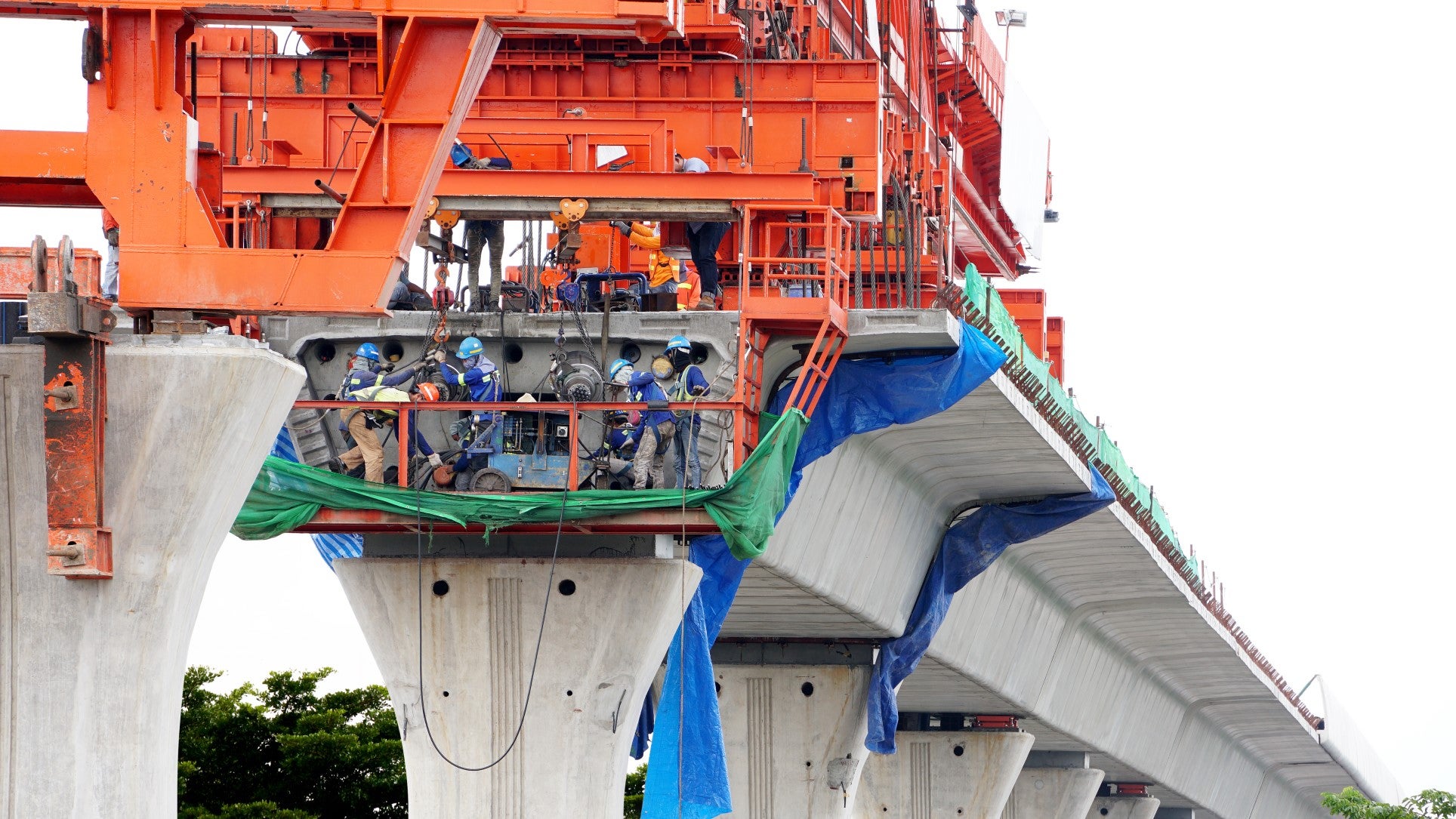
The Business Case for Sustainable Infrastructure: Metro Lima Line 1
An interview with Manuel Wu, CEO of Metro Lima Line 1
Mass transit development is critical for urban growth and quality of life, but it can involve complex economic, social, and environmental trade-offs. Metro Lima Line 1, winner of the 2014 IDB Group Infrastructure 360º Award, is a good example of how to manage these complexities by integrating sustainable infrastructure practices into project design, planning, construction, operation and maintenance. By adopting a sustainability strategy, Metro Lima Line 1 has, among other things, reduced greenhouse gas emissions up to 80 percent above what regulations require and set an example of how to successfully engage with a wide range of diverse stakeholders.

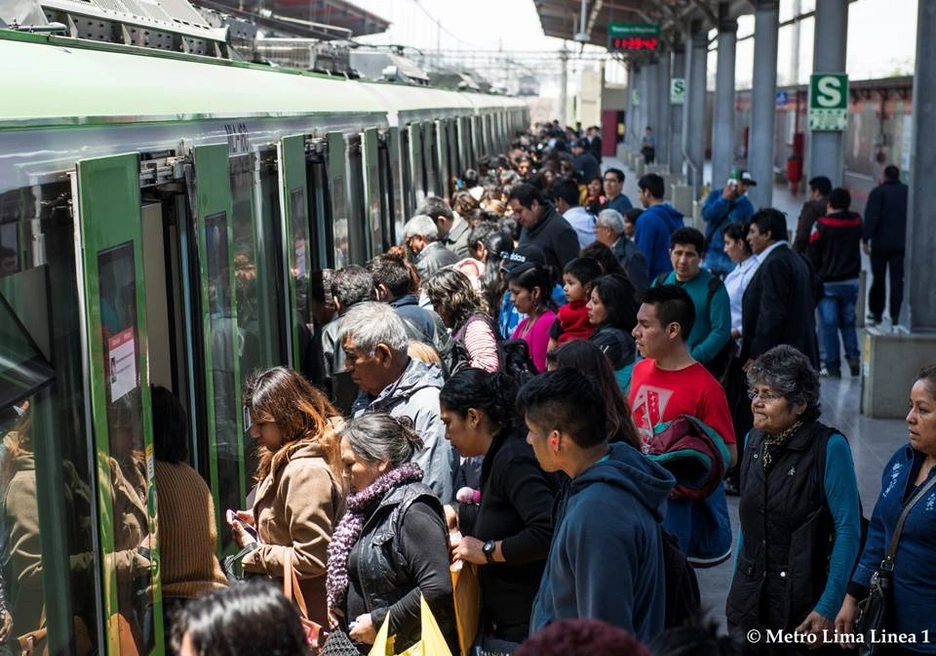
 I recently spoke with Manuel Wu, CEO of Metro Lima Line 1, about what drove his company to invest in sustainability initiatives and what the benefits of going beyond a “business as usual” approach are.
How much does Metro Lima Line 1 invest in sustainability?
Our sustainability strategy —Metro Culture— has two goals: transform our stations and trains into spaces that promote good citizenship and help local communities grow and share knowledge and best practices. Each year we invest around 1 percent of our sales in sustainability initiatives. We are seeking partnerships with public entities, civil society organizations and the private sector to increase that investment by 30 percent in the next years.
What results have you seen thus far?
We strive for excellence, but, as a business, we need to be efficient, so we measure every action we implement to make sure we have a positive impact. Under Metro Culture, for example, we launched a graffiti and mural art painting program to engage local artists, enhance community values and create a sense of ownership to encourage people to take better care of public  assets. In total, local artists voluntarily painted a surface of more than 6,000 square meters, which drove down our cost for painting works by 68 percent. We have also organized 223 exhibitions since 2013, attracting more than 480,000 visitors, and we have worked to restore deteriorated areas for the community to enjoy. We have rehabilitated more than 8,000 square meters of sustainable infrastructure including bridges, parks, pedestrian walkways and playgrounds, reaching over 20,000 people.
What is the financial logic behind your organization’s investments in sustainability initiatives?
We think that a good relationship with our stakeholders is essential to remaining in business. By integrating sustainability into our projects, we reduce risks and minimize the impacts of our operations. Of course, we seek financial returns in every investment we make, which allows us to make the business case for sustainability before our shareholders. In the first period, 2012-2016, we expect to at least recover our investments in sustainability. In the medium term, for the period 2017-2021, we expect that for each dollar invested in sustainability, we will generate $1.30 in revenue. We also measure the risks that will be mitigated by integrating sustainability. We calculate the investment costs, and we estimate the IRR. For instance, for our graffiti program we expect to have an IRR of 8 percent for a period of 8 years. And it is important to note that these figures do not factor in the additional benefit of enhanced corporate brand reputation.
Metro Lima Line 1 was the winner of the 2014 IDB Group Infrastructure 360º Award. What other sustainability initiatives have you put in place since then?
We are constantly seeking to innovate to make projects more sustainable and, in doing so, we try to build collaborative alliances. A recent example is the pocket park of Villa Maria del Triunfo. We partnered with the municipal government, the School of Architecture of the Pontifical Catholic University of Peru and Ocupa tu Calle, a local NGO. Together we rehabilitated a former garbage dump that posed serious public health and security concerns close to a metro station. Our idea was to create a public space for recreational purposes. A group of students designed and built the park using recycled materials.
This interview first appeared in the September/October 2015 issue of Latin Finance.
Authors

Valle Avilés Pinedo
Valle Avilés Pinedo fue parte del equipo de Desarrollo de Negocio de BID Invest. Anteriormente, trabajó como periodista en España, Reino Unido, Perú, EEUU y Mozambique. Valle fue becaria Fulbright en la Universidad de Columbia en Nueva York, donde hizo un máster en Relaciones Internacionales.
LIKE WHAT YOU JUST READ?
Subscribe to our mailing list to stay informed on the latest IDB Invest news, blog posts, upcoming events, and to learn more about specific areas of interest.
SubscribeDevelopment Impact
Related Posts
Supporting Argentine SMEs: Financing for Working Capital and Investment
IDB Invest is helping strengthen Argentina's private sector through long-term financing and reverse factoring solutions that improve small and medium-sized enterprises' access to liquidity.
Three Takeaways From our 2026 Impact Report
Learn how IDB Invest's portfolio is performing on development impact.
WE Finance Code Colombia: Data and Partnerships to Expand Financing for Women-Led Businesses
Financial sector stakeholders across Colombia are joining forces to expand women entrepreneurs’ access to credit through data, collaboration, and financial solutions tailored to their needs.