
Sustainability makes business sense
Far from being a burden, sustainability is a business opportunity, allowing companies to ensure their continuity and positioning and making them more efficient and profitable.

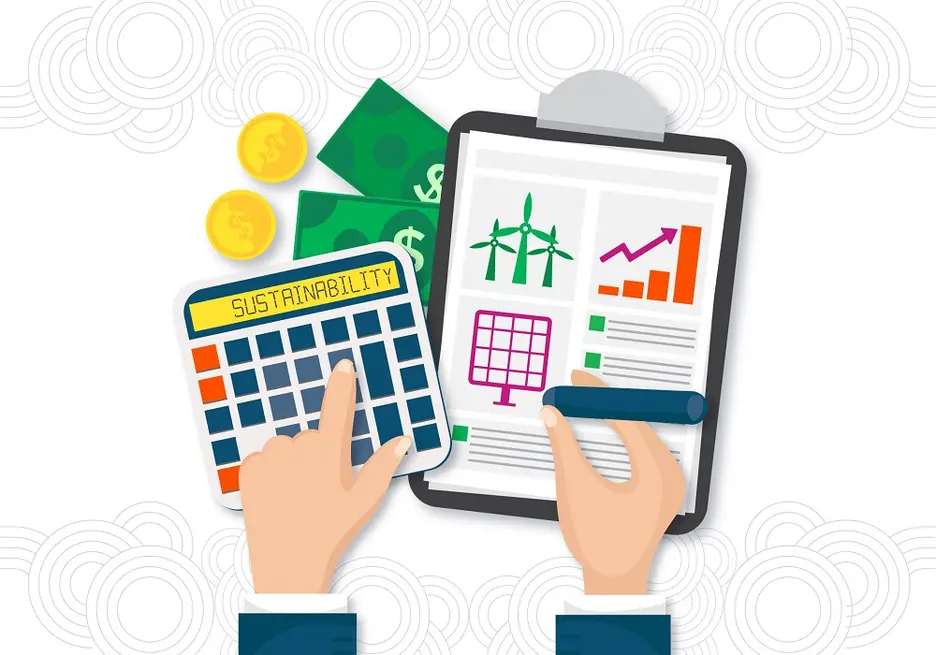
Nowadays, who respects a company that tramples on workers’ rights and human rights or harms the environment? Companies are now responsible not only for their product but also for creating economic, environmental and social value over the short and long term. In other words, companies have to be sustainable and contribute to the progress of present and future generations.
Far from being a burden, sustainability is a business opportunity, allowing companies to ensure their continuity and positioning and making them more efficient and profitable. Despite the widespread perception, applying sustainable management is much less costly and complex than it was a few years ago. Technology and innovation are the key.
In the financial sector, the Paraguayan bank Sudameris has been able to adapt the information provided by technological innovation to its business. The financial institution uses the online platform of Global Forest Watch, which offers real-time data to determine whether a fire is threatening one of its investments or if a lumber client is trading in species from protected areas, information that is highly valuable for its risks management plans.
The new digital technologies’ impact on the economy is clear: over the last three decades every $1 invested in this type of technology added an average of $20 to the gross domestic product (GDP), or 6.7 times more than the investment in non-digital products. However, what is already known as the fourth industrial revolution is still not being utilized to its fullest potential. There is the perception that monitoring sustainability indicators is very costly and complex and requires large investments.
In the agricultural sector, new technologies make possible a more efficient management of areas under cultivation thanks to access to more on-site data regarding crops. In Argentina, for example, there is a platform called La Rotonda that links rural producers and contractors in what some have called an “uberization of the countryside.” This initiative allows a producer to offer or seek agricultural services on a direct and georeferenced basis and to save on middlemen in hiring for each agricultural season.
In addition, sustainable infrastructure can benefit significantly from digital innovation. In transportation, as part of a new collaboration between IDB Invest and Waze, we are working with our client Autopistas Urbanas (AUSA) in Argentina to give it real-time data on accidents and traffic statistics, so as to better understand the impact on road safety.
In many countries, it is the consumers themselves who are promoting the digitization of products and services with an until now unknown demand for transparency in production processes. Citizens want to know what type of product is reaching their tables, which presents challenges for companies in the management of supply chains.
Having access to better sustainability practices in banking, agriculture and infrastructure are precisely three of the aspects that have demanded the most of IDB Invest’s clients. For this reason, these themes were given priority in the design of the Sustainability Week held in Lima between May 7 and May 11.
Latin America and the Caribbean have an enormous responsibility due to their important role as suppliers of raw materials for the world market and each day this requires more sustainability-based policies and actions. The great challenge lies in ensuring that the companies in this region of the world increase the value of their products at the same time as they minimize the impact of their production.
This blog was originally published in El Comercio
Authors

Gabriel Azevedo
Luiz Gabriel Todt de Azevedo (Gabriel Azevedo) is Head of the IDB Group Amazon Coordination Unit. During his 35+ year career in international development, the private sector, academia, and civil society, he has developed a unique perspective on strategic leadership, political economy, partnerships, and collective action. He has held various leadership positions, including seven years as Managing Director of the Environmental, Social and Corporate Governance (ESG) Division at IDB Invest. He has worked in development projects in more than forty-five countries, focusing on areas such as energy, water supply and sanitation, natural resource management, agribusiness, social innovation, and environmental management. He has worked in renowned institutions such as the World Bank, the World Wildlife Fund for Conservation (WWF), and Construtora Norberto Odebrecht.
Gabriel served as Board Member and Member of the Financing and Audit Committee of the Brazilian Biodiversity Fund (FUNBIO). He was Vice Presidente and President of Brazilian Water Resources Association (ABRHidro) and seats on its Consultative Board. He is also an observer to the Board of the International Hydropower Association (IHA). He has received numerous awards in recognition of his professional achievements. Additionally, he has published numerous articles, short papers, blogs, and book chapters in his field of expertise.
Gabriel is a civil engineer from the Federal University of Bahia in Brazil and holds a M.Sc. and a Ph.D. in Civil Engineering - Hydrology and Water Resources Management from Colorado State University.
LIKE WHAT YOU JUST READ?
Subscribe to our mailing list to stay informed on the latest IDB Invest news, blog posts, upcoming events, and to learn more about specific areas of interest.
SubscribeSocial Infrastructure
Related Posts
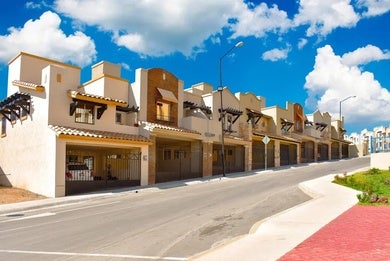
Respect the Environment, Protect People, and Improve Quality of Life: How To Build Green Houses
Developing sustainable and affordable housing for the most vulnerable populations is a major challenge in a changing global context that requires buildings and infrastructure to incorporate climate change mitigation and adaptation measures.
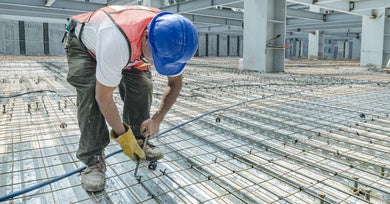
Mobilizing Private Capital for Sustainable Infrastructure
Climate-related investments needed in the region through the end of the decade stand at between $470 billion and $1.3 trillion. Governments are unable to fund such amounts, so they are increasingly turning to the private sector to raise capital and relieve the pressure.

The Silver Economy: from Inclusive Responsibility to Thriving Business
Through the "silver economy", senior citizens are a source of business for the private sector. Financial inclusion of this growing population segment will create opportunities throughout the region.