Part of the initiative

Unlock Amazonia’s potential:
build businesses that grow with nature
and communities.
Download our guide to good practices for the private sector
Resources and documentation can be found in Spanish, English, and Portuguese. Change the language in the main menu.


“Building a Sustainable and Equitable Socio-Bioeconomy in Amazonia: A Good Practice Guide for the Private Sector” is a tool designed to help enterprises, investors and organizations advance along the pathway toward a sustainable and inclusive Amazonian socio-bioeconomy.
It brings together principles, standards and practical tools to guide private-sector actors in aligning their business models with environmental integrity, social equity and community-led development.
Seven Principles of
Amazonia’s Socio-Bioeconomy
Building responsible, inclusive and regenerative economies that keep forests standing and rivers flowing.
Assess Risks and Embed Robust Environmental and Social Safeguards
- Identify and address environmental and social risks early.
- Integrate gender and human rights into all decisions.
- Ensure fair, accessible grievance and redress channels.
Respect Indigenous Peoples, Afro-descendants, Traditional Communities and Local Communities
- Engage communities through transparent and continuous dialogue.
- Recognize and secure collective land and resource rights.
- Protect cultural heritage and traditional knowledge with fair consent and benefit sharing.
Establish Fair, Safe and Legal Working Conditions
- Guarantee fair pay, equal opportunity and worker safety.
- Prevent exploitative labor, while valuing intergenerational learning practices.
Build Ethical, Traceable and Transparent Value Chains
- Track supply chains from origin to market responsibly.
- Set fair, transparent and culturally appropriate trade terms.
- Uphold integrity and accountability across all operations.
Protect and Restore Nature, Climate and Biodiversity
- Avoid deforestation and restore native ecosystems.
- Use water responsibly and prevent contamination.
- Reduce pollution, emissions and resource waste.
- Integrate climate resilience and adaptation into planning.
Demonstrate Impact and Accountability
- Monitor environmental, social and financial results transparently.
- Adapt plans based on data and shared learning.
- Report progress openly in accessible, inclusive formats.
Build Capacity and Networks
- Partner to reinforce community leadership and self-determination.
- Collaborate in networks to share knowledge and co-create solutions.
About this guide
The Amazonian socio-bioeconomy is a different way of doing business. It is grounded in the responsible stewardship of biodiversity and the ancestral and collective knowledge of Indigenous Peoples, Afro-descendants and Traditional and local communities, generating economic value while strengthening the region’s ecosystems, cultures and locally-led prosperity.
Unlike extractive models, its value lies in keeping ecosystems and cultures alive and co-creating value chains that respect community priorities and knowledge systems.More than the product itself, what defines the socio-bioeconomy is the relationships it builds—with nature and with people—and how it helps retain value and opportunity within Amazonia.
A clear example is cacao: harvested through deforestation, it is not socio-bioeconomy; produced through community-based, sustainable systems, it becomes a source of income, conservation and trusted access to international markets.
Amazonia is home to the world’s largest tropical forest and river basin, and an unparalleled mosaic of cultures and species. Yet it is also approaching an ecological and economic crossroads. Unsustainable practices have accelerated deforestation and inequality, threatening long-term economic viability, local livelihoods and global climate stability.
The socio-bioeconomy is a strategic pathway for Amazonia’s future—a model that safeguards ecosystems, strengthens community wellbeing and creates dignified, inclusive livelihoods. It proves that conservation and prosperity can advance together.
For the private sector, it opens a credible and long-term avenue for investment that aligns with forest protection and social legitimacy. It is brought to life through regional initiatives such as the IDB’s Amazonia Forever program, connecting local enterprise development with global sustainability standards and climate goals.
Who can use this guide?
To build resilient, ethical and traceable supply chains through authentic partnerships with communities. Use the self-assessments, tools repository and case studies to strengthen inclusive engagement, equitable benefit-sharing and accountability.

To align investments with socio-bioeconomy principles and environmental and social standards. Use the eligibility checklist and standards mapping for due diligence, risk-screening and compliance verification to help channel capital toward sustainable, community-led initiatives.

To design public policies and programs that protect collective rights, foster responsible private-sector participation and create enabling conditions for the socio-bioeconomy.

To strengthen connections with market and financing partners and ensure fair benefit distribution. Use the principles to communicate priorities to potential partners, the tools to enhance traceability and the case studies to inspire and support negotiation.
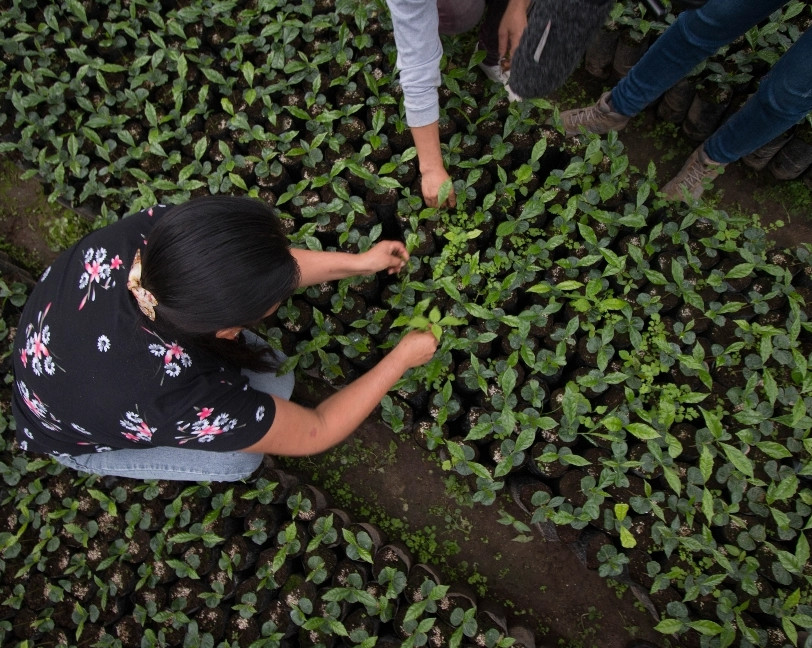
To create enabling conditions for socio-bioeconomy ecosystems through capacity building, technical assistance and partnership networks. Use the tools for capacity building programs and the standards mapping to align with international frameworks.
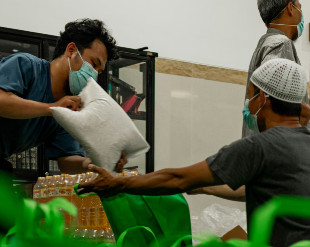
To build resilient, ethical and traceable supply chains through authentic partnerships with communities. Use the self-assessments, tools repository and case studies to strengthen inclusive engagement, equitable benefit-sharing and accountability.
To align investments with socio-bioeconomy principles and environmental and social standards. Use the eligibility checklist and standards mapping for due diligence, risk-screening and compliance verification to help channel capital toward sustainable, community-led initiatives.
To design public policies and programs that protect collective rights, foster responsible private-sector participation and create enabling conditions for the socio-bioeconomy.
To strengthen connections with market and financing partners and ensure fair benefit distribution. Use the principles to communicate priorities to potential partners, the tools to enhance traceability and the case studies to inspire and support negotiation.
To create enabling conditions for socio-bioeconomy ecosystems through capacity building, technical assistance and partnership networks. Use the tools for capacity building programs and the standards mapping to align with international frameworks.
How to navigate the guide?
We put at your disposal the following resources and tools in this guide, so that you can advance with your business on the path towards a sustainable and equitable socio-bioeconomy in the Amazon:
Socio-Bioeconomy Assessment and Principles
Explore the foundations of the socio-bioeconomy and seven guiding principles for assessing, strengthening and scaling responsible business practices.
Socio-Bioeconomy Eligibility Assessment
A short diagnostic tool to confirm if your initiative qualifies as socio-bioeconomy, based on ecosystem integrity, inclusivity and fair benefit-sharing.
Seven Principles for Amazonia’s Socio-Bioeconomy
Tools, Resources and Certifications
Align with international standards and explore credible certifications and tools that support implementation.
Overview of Key Certifications and Standards
Overview of leading standards and certifications for Amazonian products, with their main strengths and limitations.
Internationally Recognized Standards, Guidance and Certifications
Tools and Ready-to-Use Resources
Case Studies
Real examples of how communities and companies are transforming business models in Amazonia to protect nature and cultures while creating shared prosperity.
Community-Led Initiatives
Stories from Indigenous, Afro-descendant, Traditional and local Communities reflecting on their experiences with socio-bioeconomy principles; and a specific case study on Kallari, a community enterprise that models collective governance and equitable trade.
Private-Sector Partnerships
Download our guide to good practices for the private sector