
Agribusiness supply chains and climate change: why women matter
By Jimena Serrano and Michaela Seelig
Women play a key role in agribusiness supply chains in Latin America. That is why they are essential in the feat to help adapt crops to climate change.

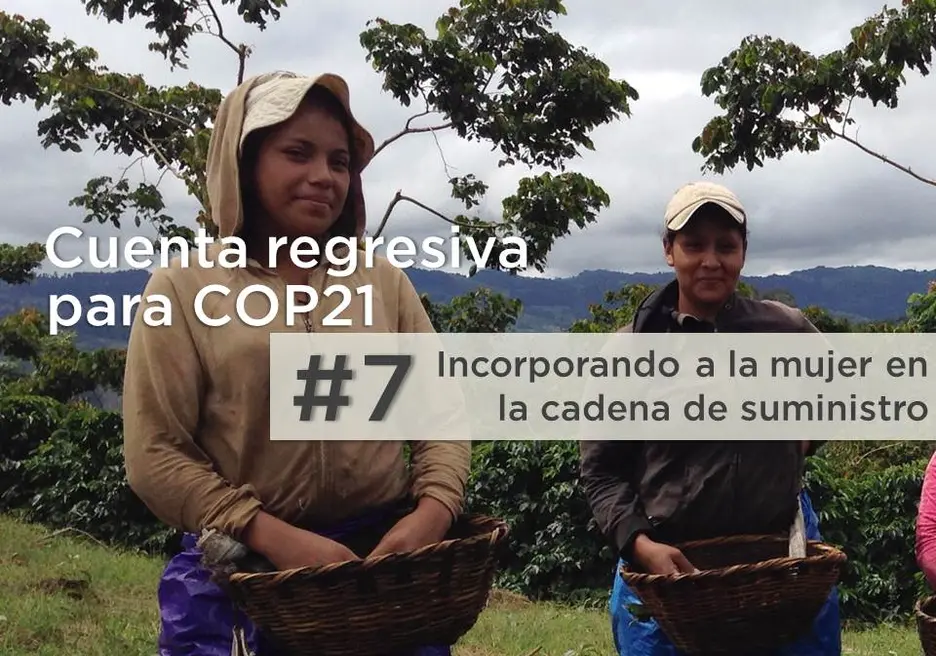
Women represent on average 20 percent of the agricultural labor force in Latin America and more than 60 percent of agricultural employees in agribusinesses such as flowers in Colombia and vegetables in Mexico. More importantly, they ensure the quality of food and agribusiness products. Women farmers are often the ones in charge of administering pesticides and fertilizers, for example. In the case of coffee, women contribute a majority of the labor in the early stages of production including plant care, harvesting and processing. Tasks such as cherry picking and sorting, at which women excel, contribute directly to coffee quality for which premiums are paid. This means women’s labor directly influences coffee traders’ revenues. Yet, female contribution is rarely contemplated in agricultural supply chains, and their earnings are smaller than men’s.
When climate change affects farming processes and practices, women’s agricultural labor is impacted as well. It is well-documented that warmer weather and changing rainfall patterns are increasingly putting crops at risk. Key areas for food production like the Amazon basin in Brazil and coastal plains in northern South America are projected to be the ones more affected by droughts. Phenomena like the La Niña rainy season for example provide an ideal home for coffee rust fungus, which proliferates in environments with excess rain and high temperatures. Brazil’s production of robusta coffee is estimated to decline by 13 percent in the 2015/16 crop compared to the previous year due to droughts in the largest robusta production region.
In rural areas, female-headed households have less access to fertilizer and other inputs. Because women are not usually involved in taking the product to market, they have limited access to income from crops and limited control over earnings. Moreover, women farmers are less likely to be organized in cooperatives. In practice, this means that they have a hard time attending training or buying fertilizer and other inputs at favorable prices. Their ability to adapt to changing climatic conditions is further jeopardized by their reliance on non-mechanical cultivation methods due to their lack of access to credit. For agribusinesses, this puts their sourcing at risk by lowering crop yields and quality.
When examining how to secure reliable, quality raw materials in the face of climate change, agribusiness companies have an opportunity to get back to the basics of gender equality. Who needs the training, tools and techniques in dealing with crop diseases as a consequence of climate change? Who is making the decisions at the cooperative level? Are women farmers and their knowledge represented? Identifying gender specific constraints will ensure that any resources that agribusiness companies allocate at the farm level are maximized in the adaption process of their value chains.
About the authors
Jimena Serrano is a gender consultant at the IDB's Structured and Corporate Finance Department of the IDB. She currently works with investment officers to maximize opportunities for women in IDB’s operations with the private sector. She is particularly focused on the business case to integrate women in sectors such as mining, agriculture and energy.
Michaela Seelig is a sustainability consultant at the IDB’s Structured and Corporate Finance Department working on reimbursable and technical cooperation products with a specific focus on climate change, biodiversity and ecosystems services. Michaela has previous experience working on Nationally Appropriate Mitigation Actions and on integrated sustainability management at a private manufacturing company.
Authors

Autor invitado
LIKE WHAT YOU JUST READ?
Subscribe to our mailing list to stay informed on the latest IDB Invest news, blog posts, upcoming events, and to learn more about specific areas of interest.
SubscribeDigital Economy
Related Posts

Financial Health: Driving Growth in Latin America and the Caribbean
According to the latest Global Findex database, the proportion of adults in Latin America and the Caribbean (LAC) with account ownership rose from 39% in 2011 to over 75% in 2025. This increase was driven by the rise of digital-first financial service providers, expanded government transfers, and innovations that enhance the value proposition, such as the growth of e-commerce and instant payment systems in countries like Brazil, Peru, and Costa Rica.
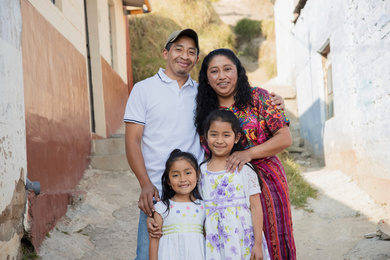
Microinsurance: The New Frontier for Financial Resilience in Latin America and the Caribbean
In Latin America and the Caribbean, fewer than 10% of people with potential access currently use microinsurance services. However, this gap in financial protection is beginning to narrow. The expansion of the insurtech ecosystem is transforming the insurance sector, deploying digital and innovative solutions that strengthen financial protection for the most vulnerable populations.
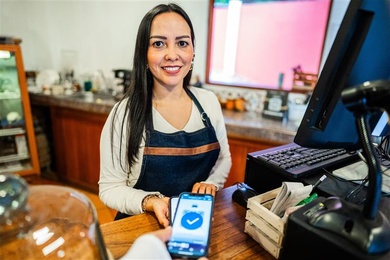
Five Drivers Reshaping Finance in Latin America and the Caribbean
The tech revolution is breaking down structural financial barriers across Latin America and the Caribbean. Informal workers, rural communities, and small businesses are gaining rapid access to digital savings accounts, microloans, and instant transactions, often at little or no cost. But what’s really driving this transformation?