
Digital transformation and agribusiness: trends and opportunities in Latin America and the Caribbean
Agribusiness in Latin America and the Caribbean is crucial in strengthening the regional economy. Characterized by its vast expanse of arable land, abundant natural resources and unique biodiversity, the agricultural sector contributed significantly to the region's Gross Domestic Product (GDP) in 2021, representing 6.9% of the economy.

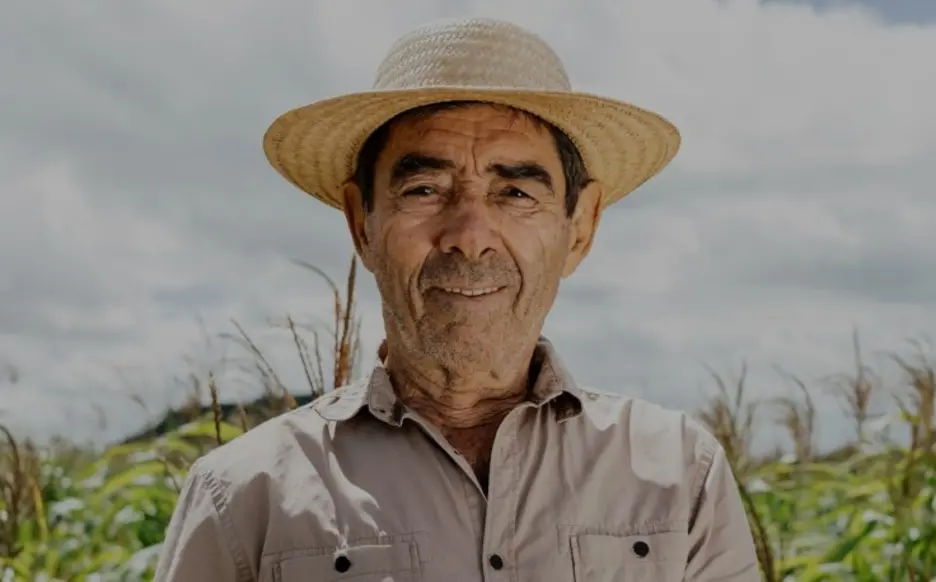
According to estimates, accumulated growth in Latin America would be 14% for agricultural and fishing production in the next ten years. A productivity improvement, enabled mainly by the sector's digital transformation, explains this increase.
IDB Invest and NTT Data have conducted a research series to provide findings, insights, and recommendations on how new technologies are transforming different industries and how access to new tools is crucial to closing the digital gap in the region.
As part of that series, the study "How New Technologies Are Transforming Agribusiness in Latin America and the Caribbean" examines how the region, as a world leader in agricultural production and leading exporter of agricultural products, possesses the natural resources (arable land, drinking water, climate, and biodiversity) to continue evolving, thereby strengthening regional economies.
Recommended reading:
The digitalization of the value chain of these types of companies exemplifies the technological revolution that is changing the way food is grown, collected and distributed. Using sensors, drones, and Internet of Things (IoT) devices has become common practice to monitor crop growth, improve water management, and optimize production. Another example is the use of artificial intelligence and data analysis to make more informed decisions.
Automation is another key trend that is transforming agribusiness in the region. Robots and autonomous machinery are being deployed on farms to perform tasks such as planting, harvesting and sorting products. These capital investments are profitable in the long term, with an improvement in efficiency and productivity.
Sustainability is another crucial factor that is shaping the future of the sector. Consumers and international markets are demanding food produced in a more sustainable and environmentally friendly way. This leads to more responsible agricultural practices and the adoption of technologies that reduce pesticide use and carbon footprint.
For example, blockchain technology allows the digital transfer of product information through the chain, ensuring the traceability of their characteristics at any phase. On the other hand, biotechnology helps to produce crops with specific nutritional properties, giving the consumer healthier products.
All of the above shows how, in recent years, the sector has sought to reinvent itself through digital solutions that help them be more efficient, increase productivity, and reduce environmental impact. Consequently, companies are leveraging technologies to respond to the challenges of digital transformation.
The absence of talent and digital culture is one of the main barriers to implementing technology. Very few companies still have a Digital Transformation Plan with a holistic vision and a digital education process that allows workers to acquire the necessary knowledge to adopt new tools and practices to be more productive and dedicate themselves to higher-value tasks.
Due to the importance of this sector for economies and the most vulnerable, financing these projects is vital to ensure that companies transform digitally, increasing their productive capacity and favoring the region's development. In this sense, IDB Invest made a capital investment of 6 million dollars in ProducePay. This AgTech company offers financing solutions directly to producers within Latin America.
Other cases of innovation are the evolution of B2B (Business to Business) models towards B2C (Business to Consumer) models. After the pandemic, many businesses had to digitalize to continue their operations. Enabled by the increase in mobile penetration, the growth of e-commerce, and the arrival of digital payments, e-commerce platforms in the agricultural sector were born to sell and buy agricultural products digitally.
Digital transformation and new technological solutions represent a true catalyst for the agricultural sector in Latin America and the Caribbean, improving the competitiveness of companies and farmers. Digitalization drives economic growth, improves food security, and promotes sustainability, thus benefiting the entire region.
Latest posts
Authors

Luis Olmedo
Luis Olmedo is Partner in charge of the Strategic Value area for the Americas at NTT Data. With 14 years of experience in strategy projects, he has had the opportunity to execute projects in more than 15 countries, providing a different vision of the challenges that entities face in their transformation strategies. Additionally, he has developed several studies in the Americas on the challenges of digitalization and the benefits for regional development that technology brings with it. Impact, curiosity, and value are the principles that Luis pursues in all the projects in which he is involved.

Guillermo Mulville
Guillermo leads the Telecommunications, Media and Technology (TMT) Team at IDB Invest, which he joined in 2016. He is responsible for developing business strategies and plans, and for managing clients and structuring the transactions of the TMT sector in Latin America and the Caribbean. Before joining the IDB Group, he worked at the International Finance Corporation (IFC) for more than nine years, as Head of the TMT sector for Latin America and the Caribbean. He previously worked at ABN AMRO Bank for 12 years. He was Enron International’s Global Finance Manager for two years. He served as board member of Pan-African and Pan- American companies engaged in broadband and cell tower distribution and infrastructure, with portfolios in various countries in Latin America and the Caribbean. Guillermo earned a master’s degree in finance from Universidad del CEMA and a professional degree in business administration from Universidad de San Andrés (both in Argentina).

Carlos Narváez
Carlos Narváez is the lead agribusiness investment officer at IDB Invest. He is a specialist in structuring financial solutions, sustainability and impact. He has professional experience in the development and execution of high-profile agribusiness deals in countries such as Mexico, Argentina, Brazil, Colombia, Ecuador, Peru, Bolivia, and Venezuela. In addition to his experience at the IDB group, Carlos worked at CAF, Banco Santander, and BBVA in various project finance and investment banking positions. He holds a master's degree in finance from IESA and a degree in economics from Universidad Central de Venezuela.
LIKE WHAT YOU JUST READ?
Subscribe to our mailing list to stay informed on the latest IDB Invest news, blog posts, upcoming events, and to learn more about specific areas of interest.
SubscribeDevelopment Impact
Related Posts

Supporting Argentine SMEs: Financing for Working Capital and Investment
IDB Invest is helping strengthen Argentina's private sector through long-term financing and reverse factoring solutions that improve small and medium-sized enterprises' access to liquidity.
Three Takeaways From our 2026 Impact Report
Learn how IDB Invest's portfolio is performing on development impact.
WE Finance Code Colombia: Data and Partnerships to Expand Financing for Women-Led Businesses
Financial sector stakeholders across Colombia are joining forces to expand women entrepreneurs’ access to credit through data, collaboration, and financial solutions tailored to their needs.