
Posts by Energy

How to calculate the cost of generating electricity
When I attend energy conferences in Latin America and the Caribbean, whether as a panelist or attendee, I often hear questions such as: What type of energy is cheaper: thermoelectric or renewable energy? And what is the most competitive renewable technology: hydroelectric, solar, or wind? These are also the basic questions that regulatory entities ask when planning to expand their energy matrices. Investors also ask these questions when seeking opportunities for investment in the region. Comparing apples and oranges The answer is not so simple. We are talking about different technologies with different investment requirements, dissimilar service life, capacity factors and operational costs that vary based on the project type and location. The levelized cost of energy (LCOE) is a useful tool that can be used to consistently compare the costs of different types of technologies (solar, wind, natural gas, etc.). How to calculate the levelized cost of energy (LCOE) In simple terms, the LCOE consists of calculating the total average cost of building and operating an electrical power station and dividing it among the total energy to be generated over its entire service life. The National Renewable Energy Laboratory (NREL) has financial models available to the public that can be used to calculate the LCOE for solar and wind plants. The models contain variables such as the investment cost necessary to build the plant, the useful life of the power station, and annual operating and maintenance costs, among other variables. Performing a sensitivity analysis of these different variables allows us to determine which specific actions can be taken to reduce the levelized cost of electricity in a specific project. The conclusions may vary, from changing the equipment provider to reconsidering the project’s site. What information can be obtained from the LCOE? The first benefit is the ability to compare to make informed decisions. The LCOE tool also: Provides a break-even point: Its result, expressed in kilowatt hours (kWh), can also be considered the break-even point for an electrical power station, i.e. the minimum price at which it would have to sell electricity to neither gain nor lose. Yields interesting conclusions: Using the LCOE as a tool for a competitive measure among various sources of energy allows for obtaining diametrically different results, even within the same technology. For example, the LCOE in a country with ideal geography for mini-hydroelectric power stations (in terms of both investment cost and plant factors) could be much less than a run-of-river hydroelectric power station in a flat country with high labor costs. Measures competitiveness trends among different technologies over time. Thus, five years ago the levelized cost of solar plants could not compete with other sources of energy. Thanks to the drastic reduction in investment cost, solar plants now compete at the same level as other technologies in bidding for energy contracts. LCOE and other available tools IRENA, in its 2016 publication, analyzes levelized cost of renewable energy trends in Latin America and the Caribbean with revealing conclusions. Even though the cost of installing wind farms in the region is slightly higher than in more developed countries (such as India and China), the region’s higher level of wind resources makes it possible to achieve a higher capacity factor —the ratio between the actual energy generated during a given period and what would have been produced if the plant had been continuously operating at nominal power during that period— resulting in a comparatively similar LCOE. For example, in some areas of Brazil, the plant factor reached 50 percent. It should be emphasized that although the LCOE is widely used to compare unit costs among technologies, the methodology does have some limitations since its results are highly dependent on the scope and assumptions used. Nonetheless, there are various tools and technologies that seek to determine relative economic competitiveness among different technologies. These include the Levelized Avoided Cost of Energy (LACE), which measures the avoided cost of electricity of a new electrical power plant due to the displacement that the new infrastructure produces in the system. However, this will be the subject of a future blog entry. Subscribe to receive more content like this! [mc4wp_form]
How to reduce your energy costs and become more competitive
These days, reducing production costs to increase competitiveness is a must. In a report titled Climate Solutions, the World Wildlife Fund notes that the world could cut its energy consumption by 40% by 2050 just by improving energy efficiency and energy conservation. But when looking for alternatives that don't sacrifice the quality of raw materials, not many entrepreneurs realize that a change in energy policy could save them a considerable amount on their energy bills.
Infrastructure 360º Awards: promoting best practices in sustainable infrastructure
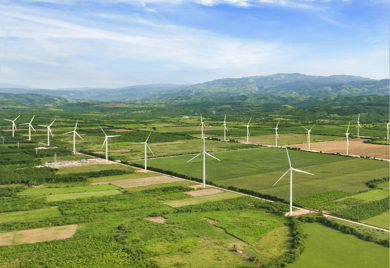
* By Ana María Vidaurre-Roche A sustainable approach to project design has allowed a metro line in Peru to reduce greenhouse gas emissions up to 80% above what regulations require. The line connects 11 districts across Lima and improves access and mobility, increasing the city’s productivity level by reducing commuting times by almost four times. The project has created meaningful actions that go beyond its immediate business: engaging community groups in cultural and reforestation programs to enhance public space, and helping address other visible problems such as social insecurity, youth unemployment, traffic chaos, and pollution. In the Dominican Republic, a wind farm project driven by a sustainable strategy provided an agrarian, low-income region with power and brought added value to the communities through educational and social programs, rehabilitation of community assets, and support of local businesses.
To Connect or Not to Connect? Shifting Energy Industry Forges Unlikely Partnerships
On the big island in Hawaii, the sun shines 168 days of the year. In Honolulu, it jumps to 271 days of sunshine. That’s the perfect market to launch a new partnership between solar panel supplier SolarCity and electric carmaker Tesla Motors.

Getting Brazil Climate-Ready One Sector at a Time #CRinBrazil
At the very time the city of São Paulo is struggling with the worst man-made water crisis in its history, with millions of people and local businesses suffering from water scarcity, climate leaders gathered in Rio de Janeiro just a few hundred miles away, to come up with solutions to the global climate crisis. I was one of 600 participants who came from 55 countries to attend Former U.S. Vice President Al Gore’s Climate Reality Project’s 26th leadership training, #CRinBrazil, the first one ever held in Latin America and the Caribbean.

Germany wins 2014 World Cup in energy efficient stadium
While the football battle of the continents continues, 50 percent of this headline will be true no matter how many goals die Mannschaft scores against los Albiceleste this Sunday. The energy efficiency part that is. Maracanã, South America’s largest stadium and the host of the final world cup game, is making history again 60 years after its completion. The US green building council announced recently that the iconic building, among four other world cup stadiums in Brazil, achieved LEED certification due to several design upgrades that result in lower resource consumption.